
When the Warrior Awakens: Goa’s Virbhadra Dance of Fire and Fury
Virbhadra at Sanguem
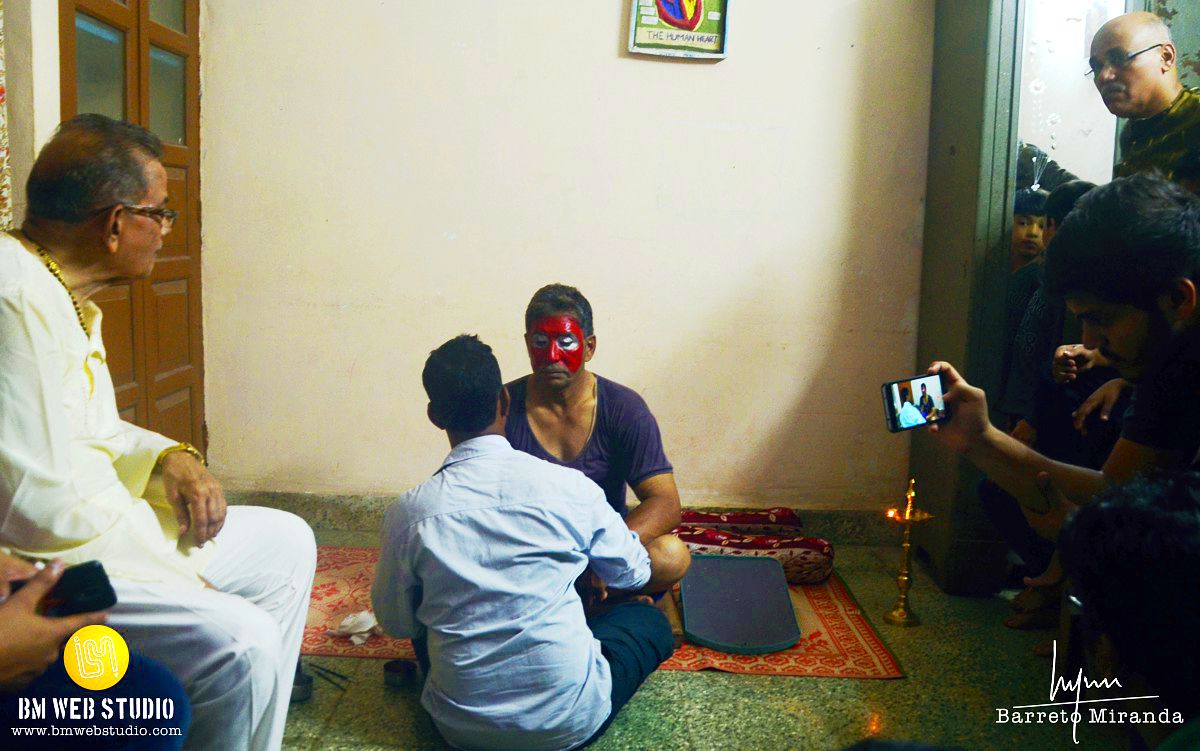
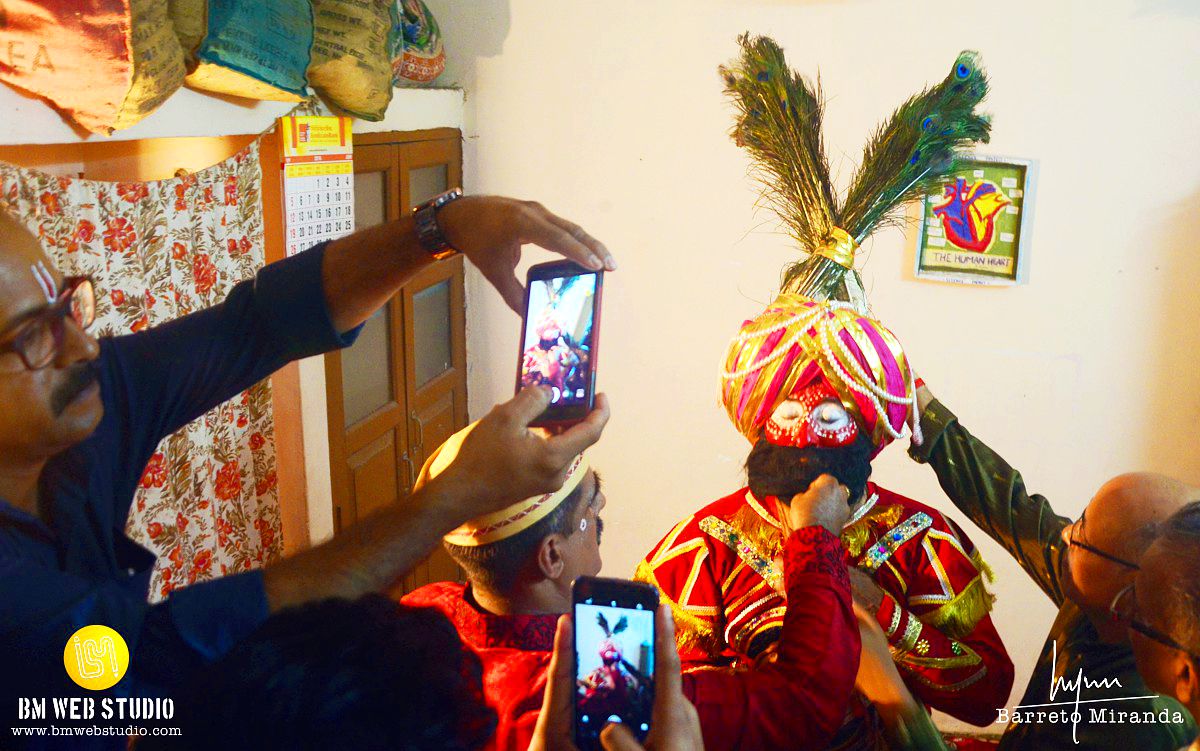
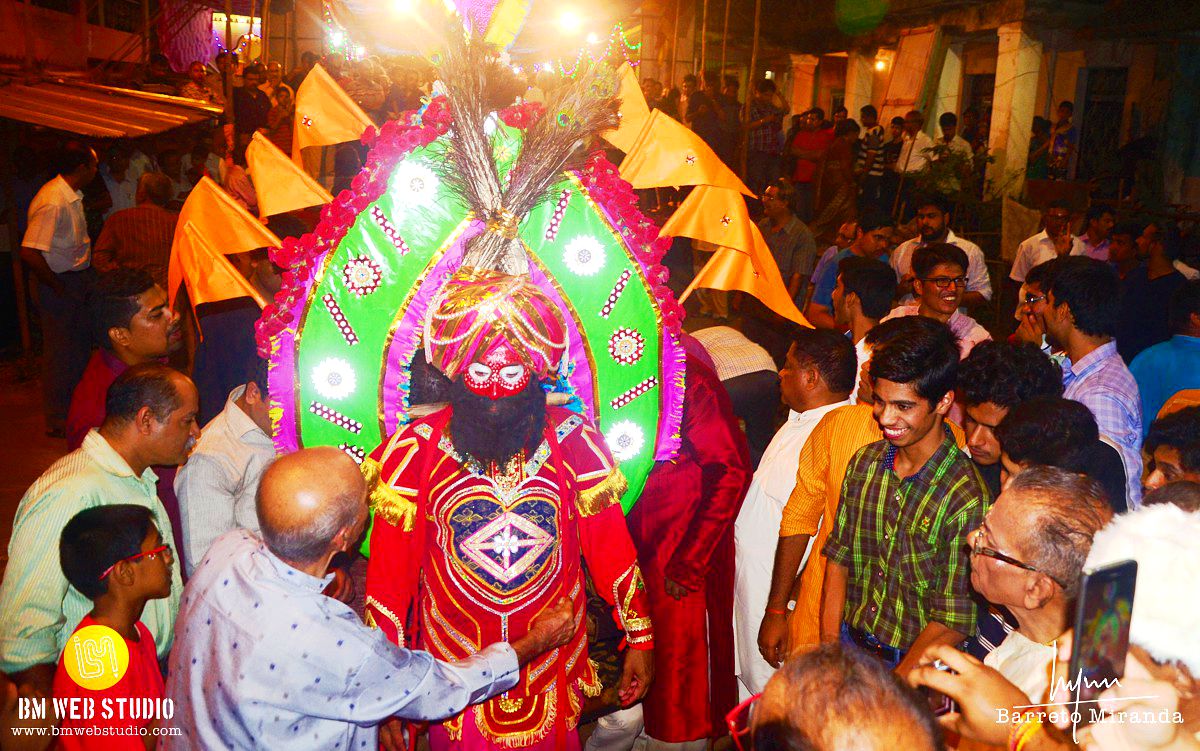
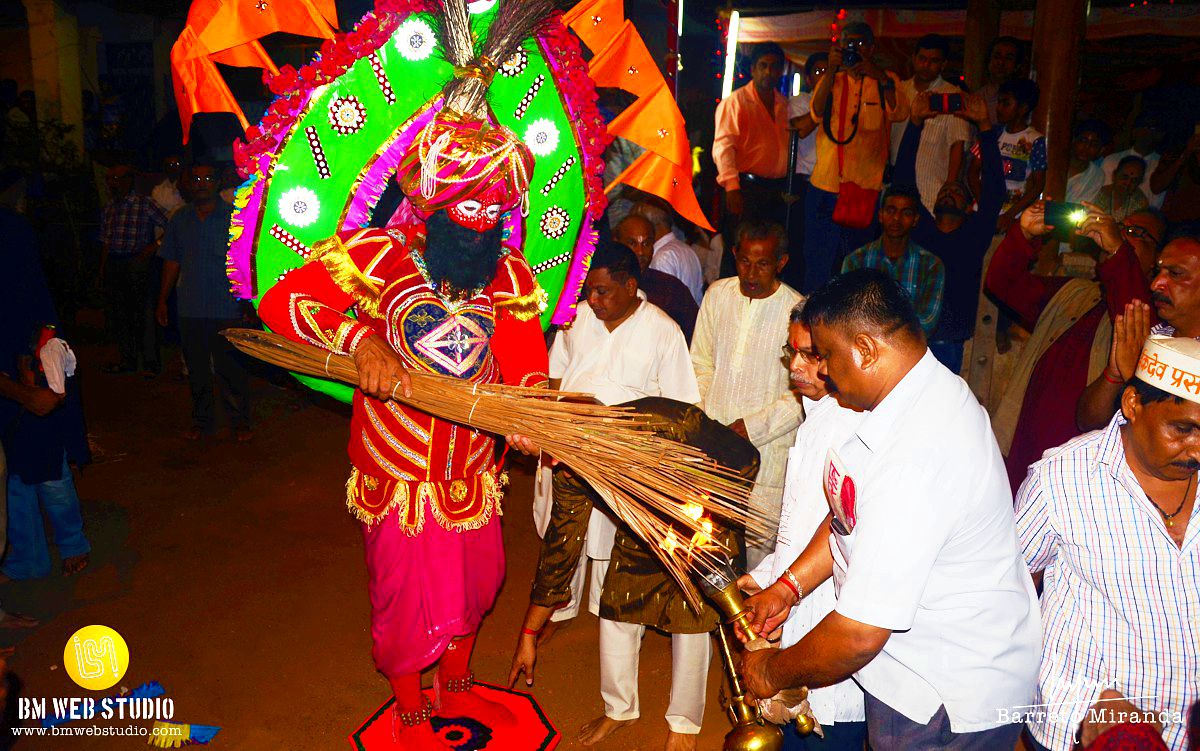
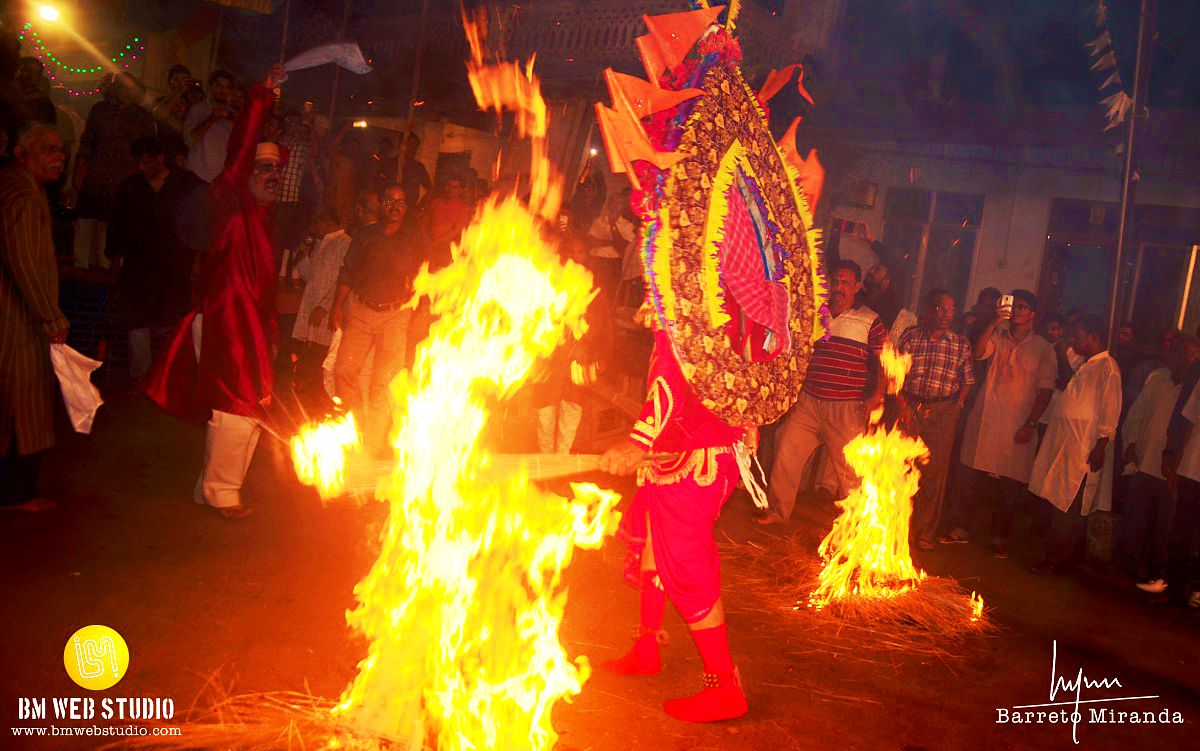
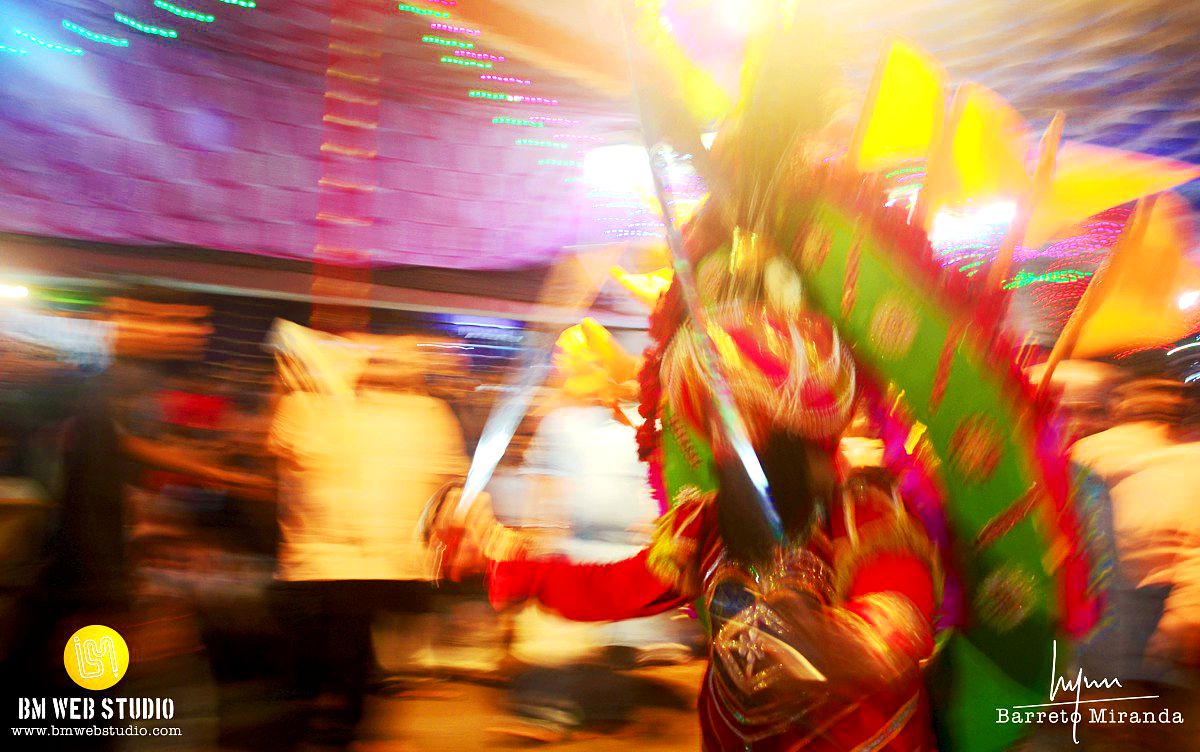
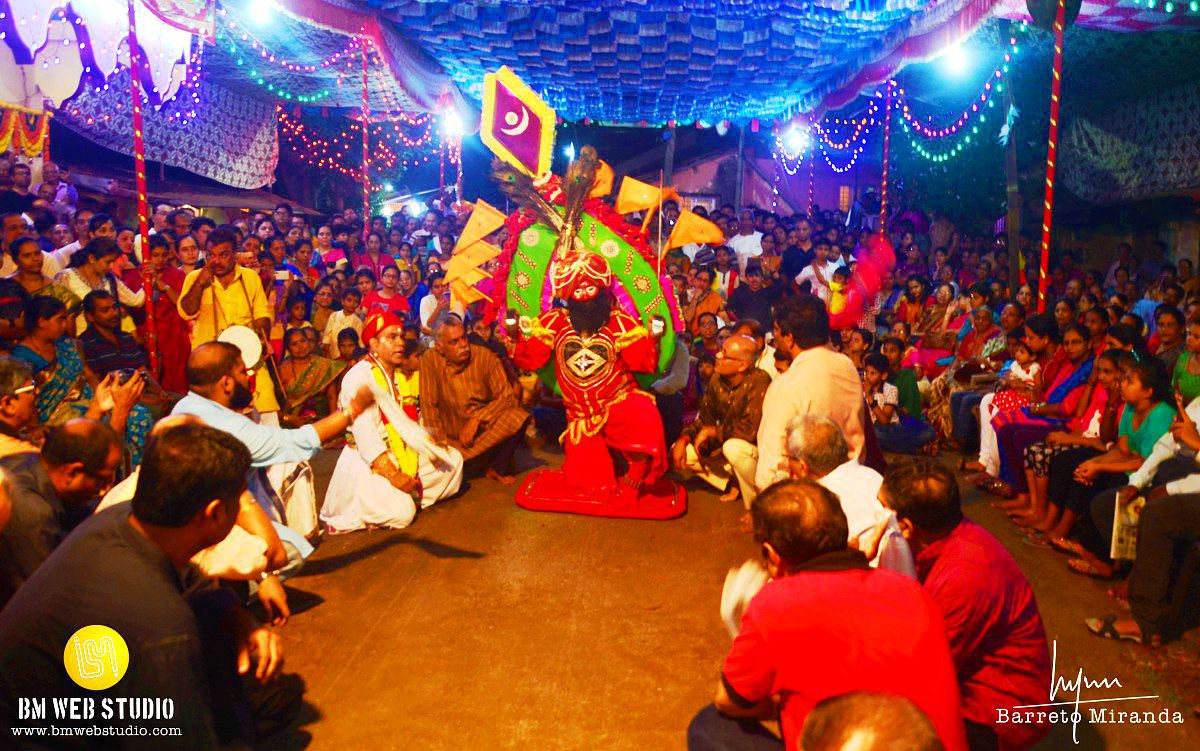
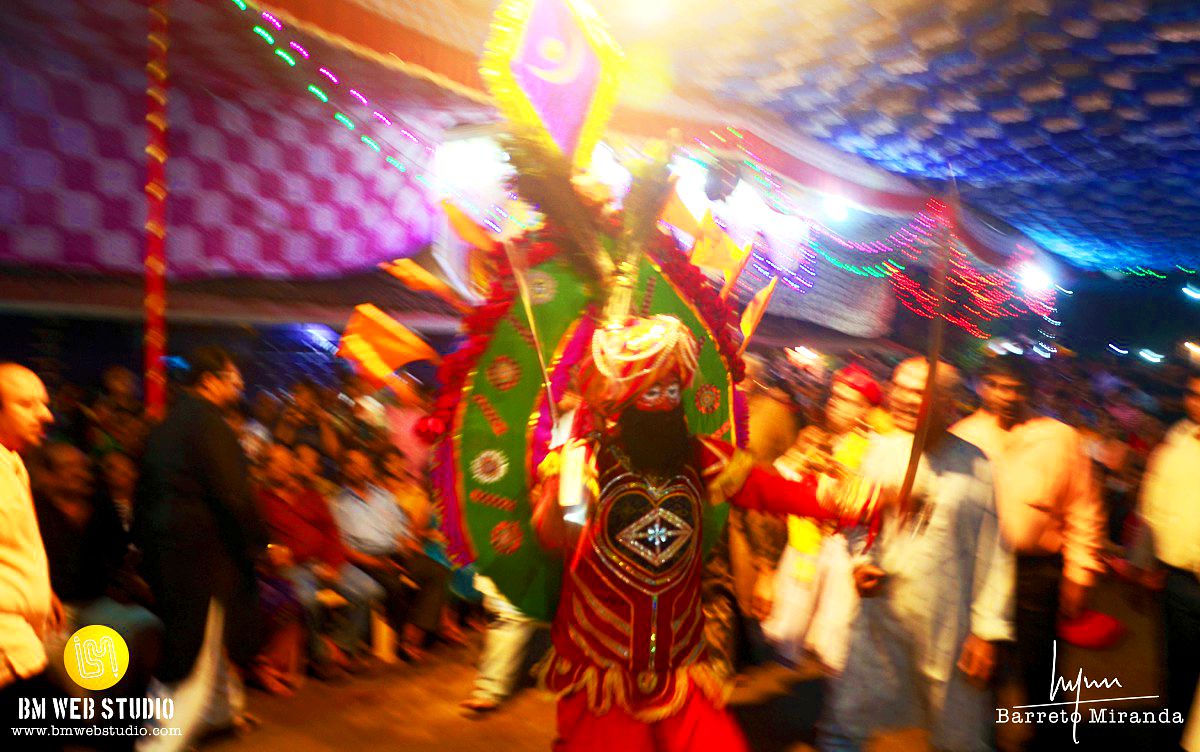

Virbhadra at Shiroda
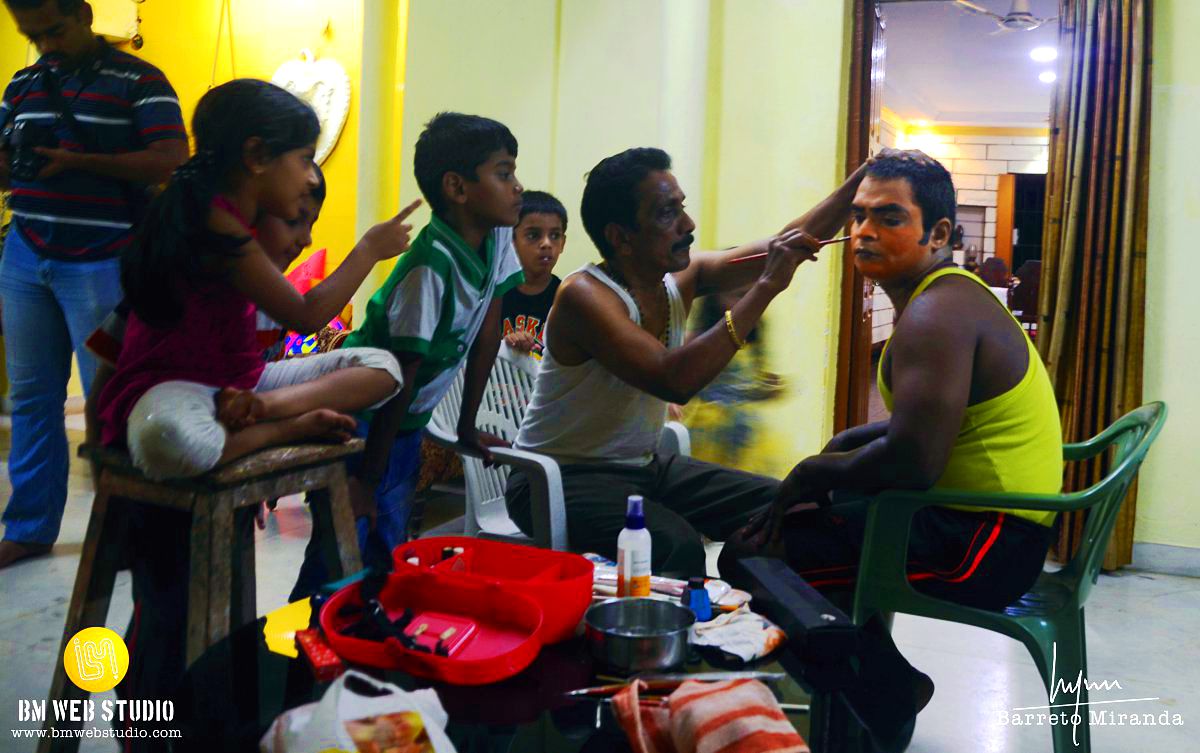
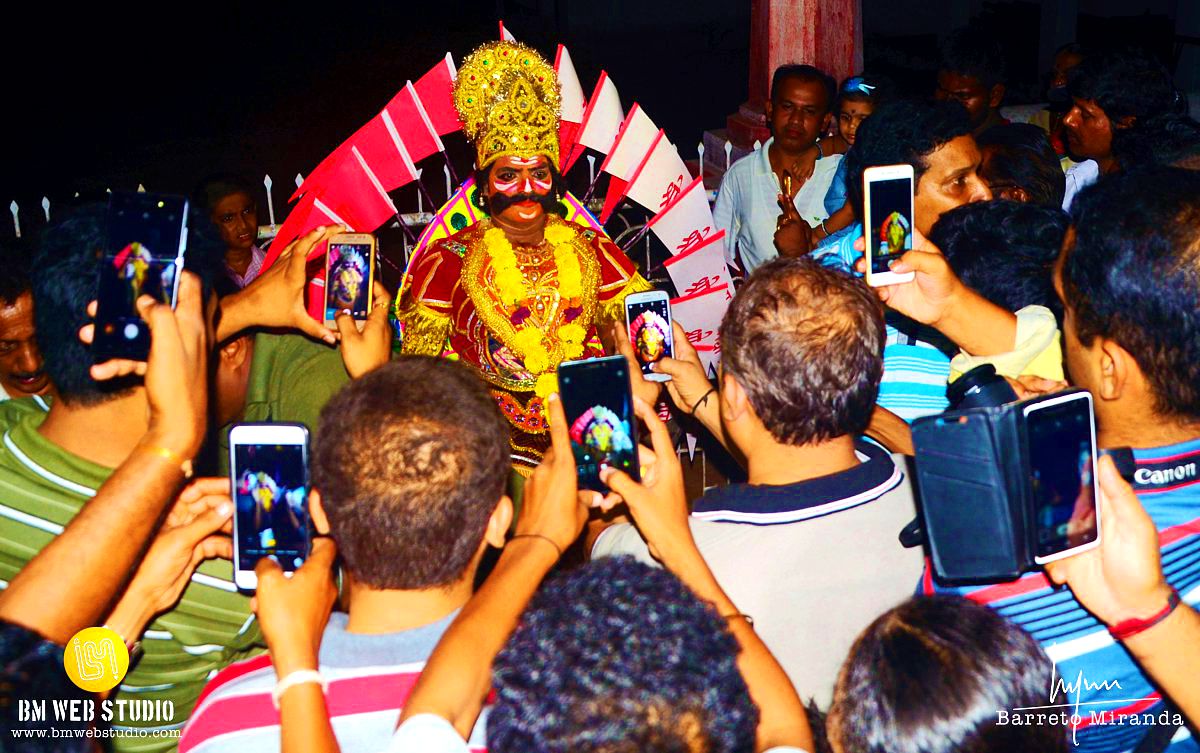
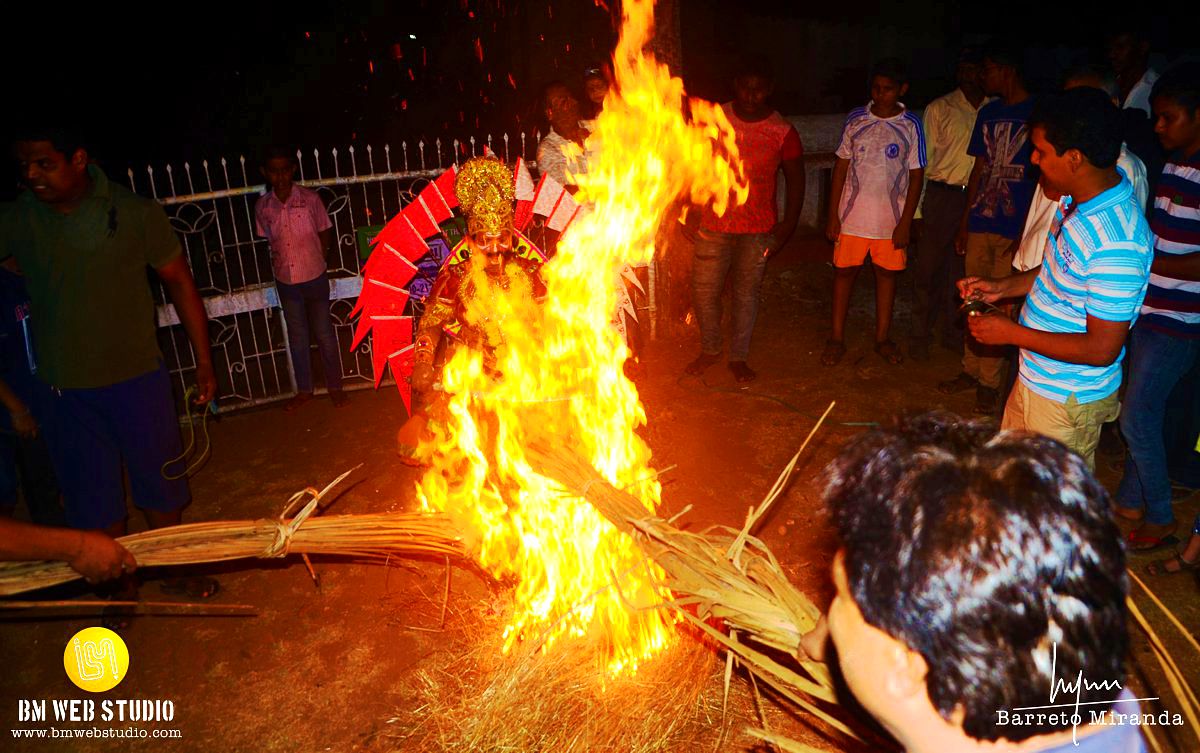

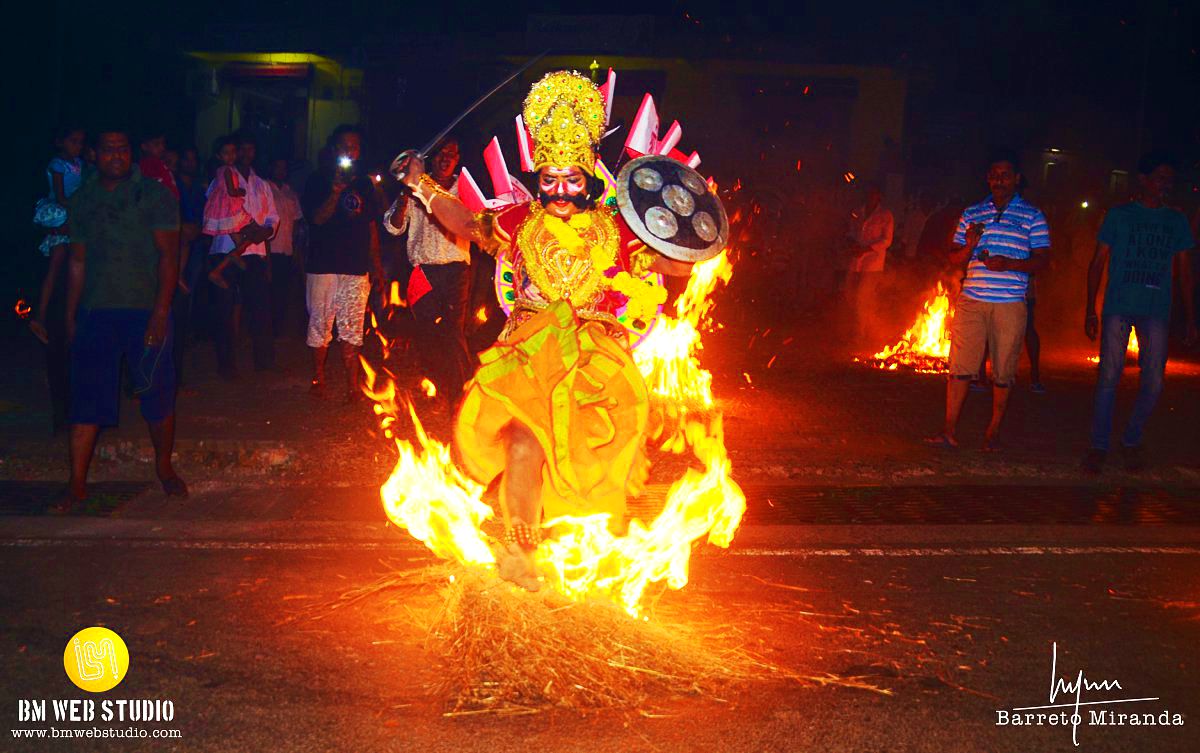
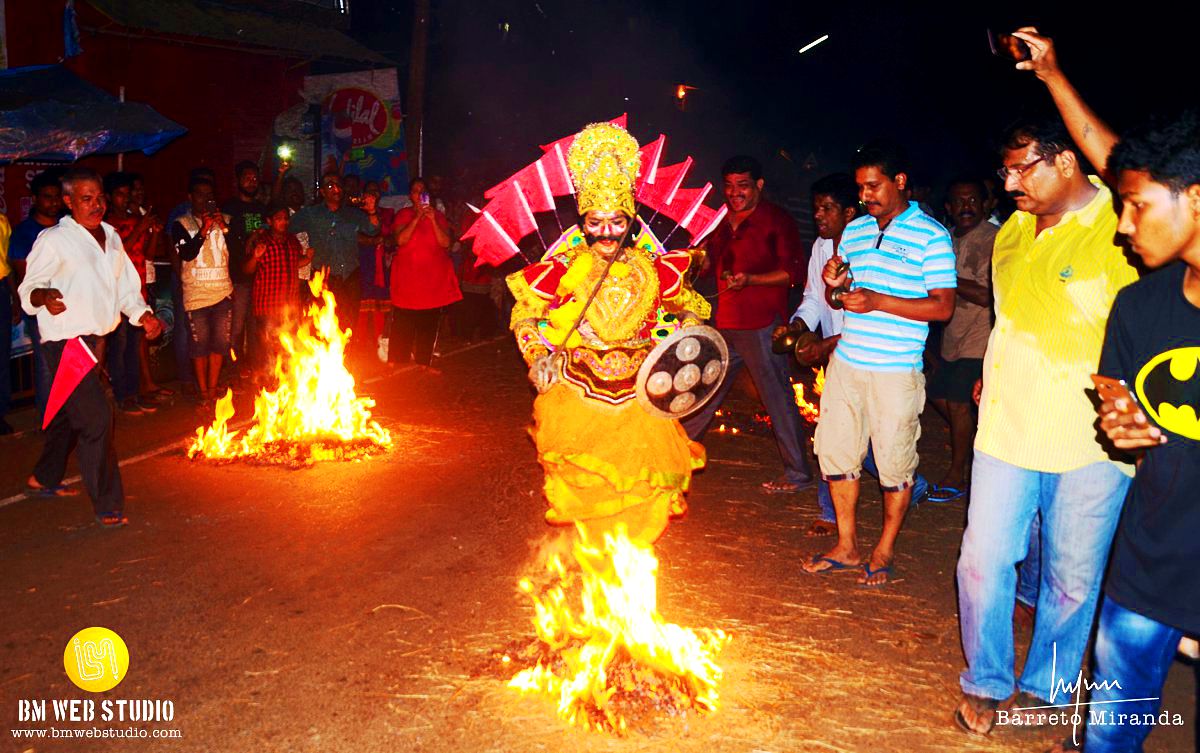
Virbhadra at Borim
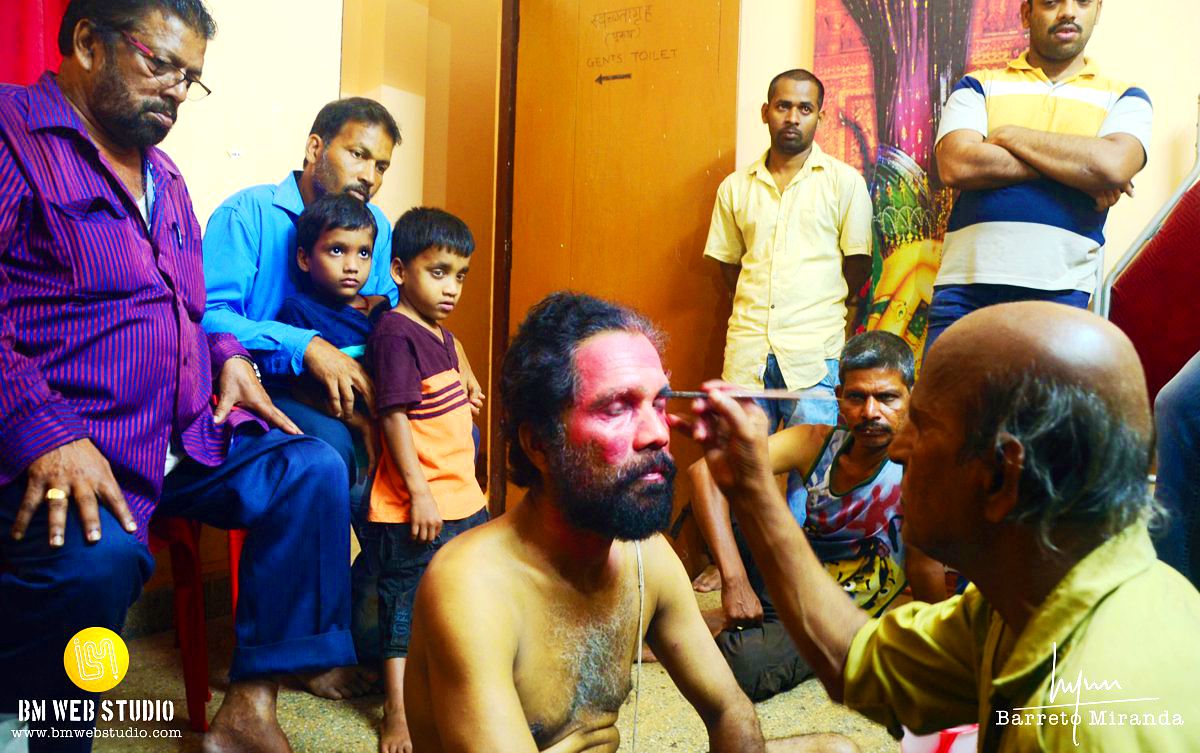
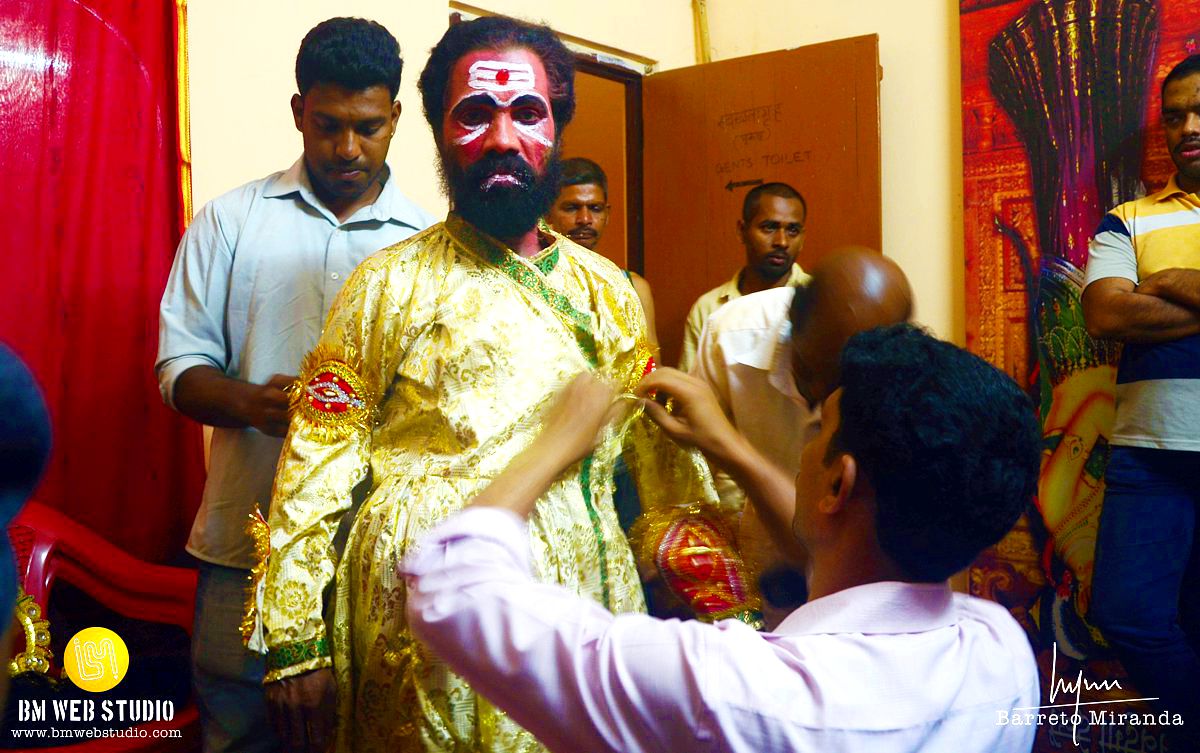


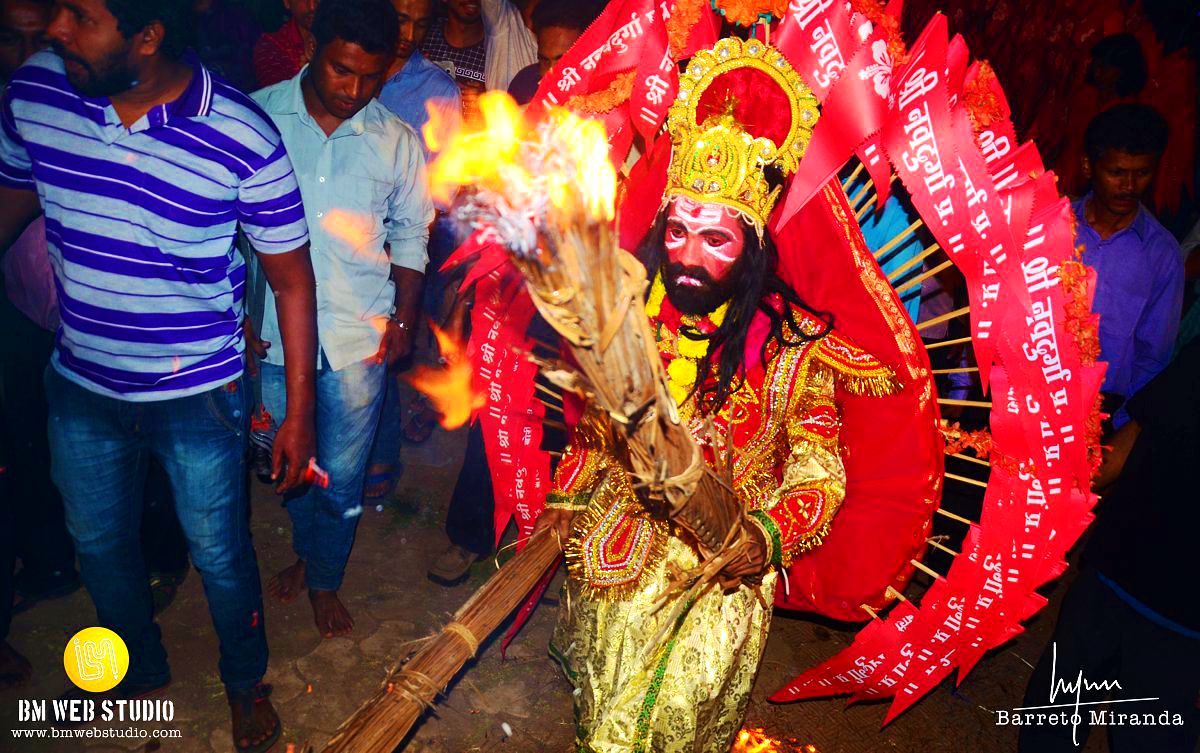
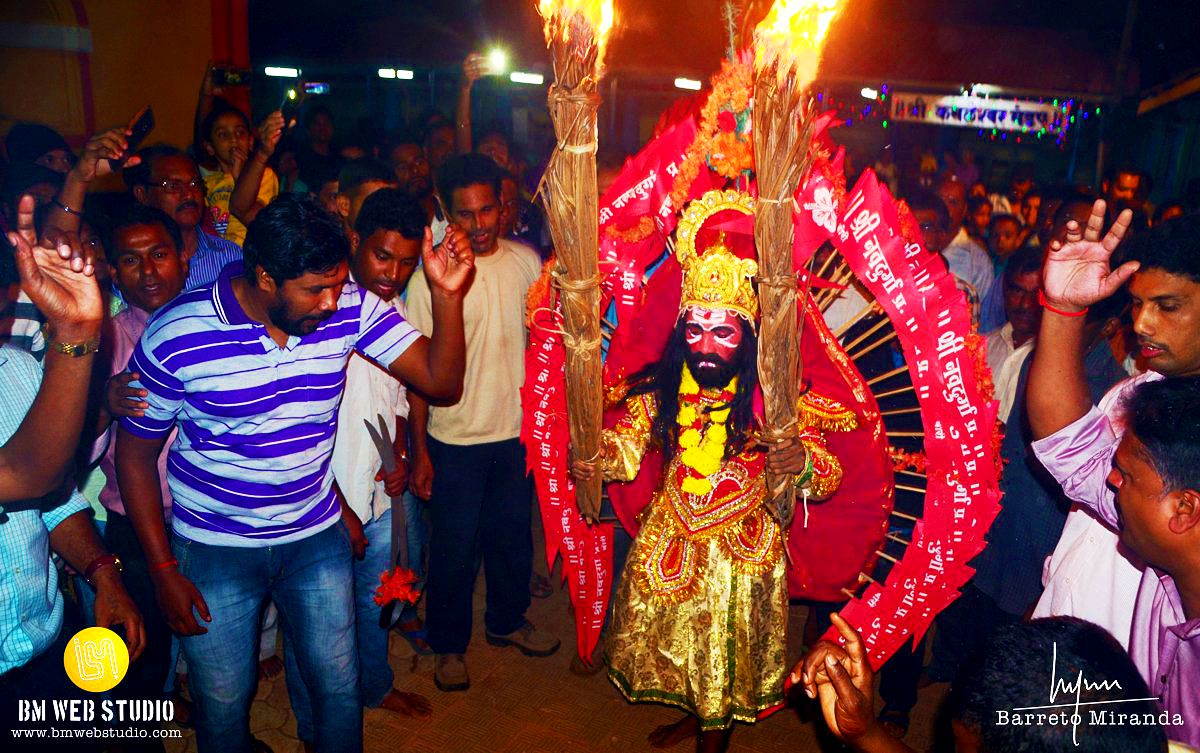
Virbhadra at Ponda
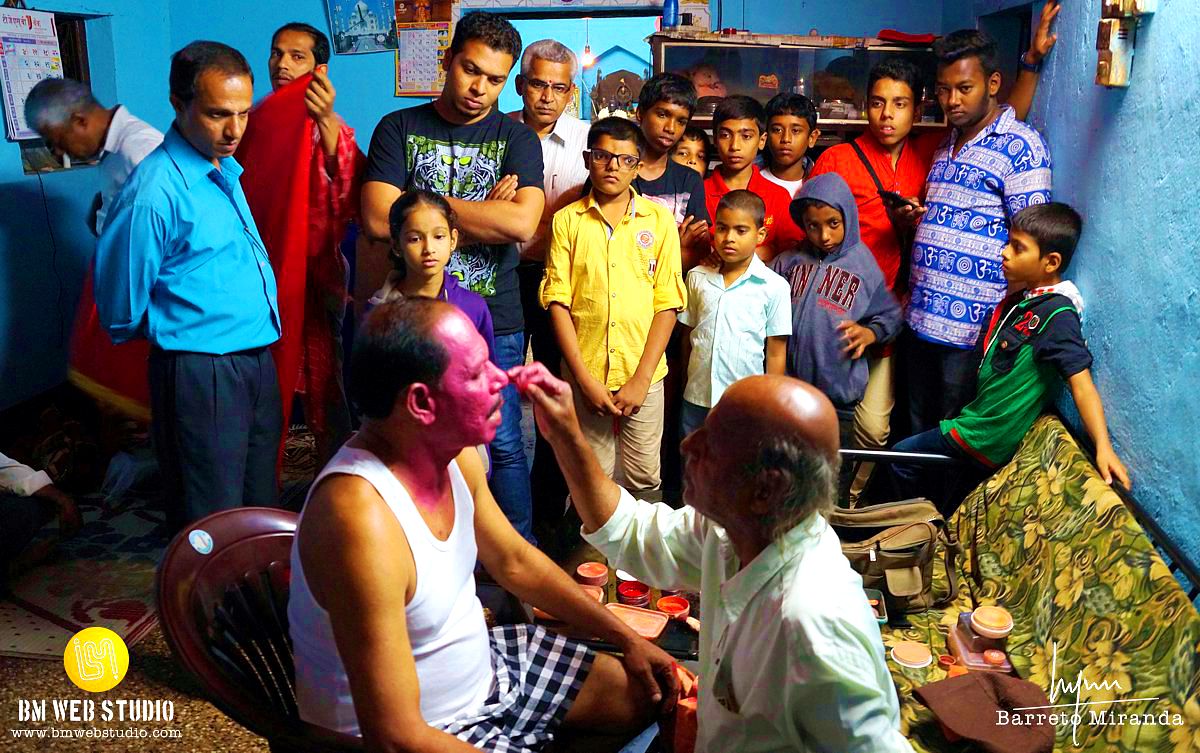

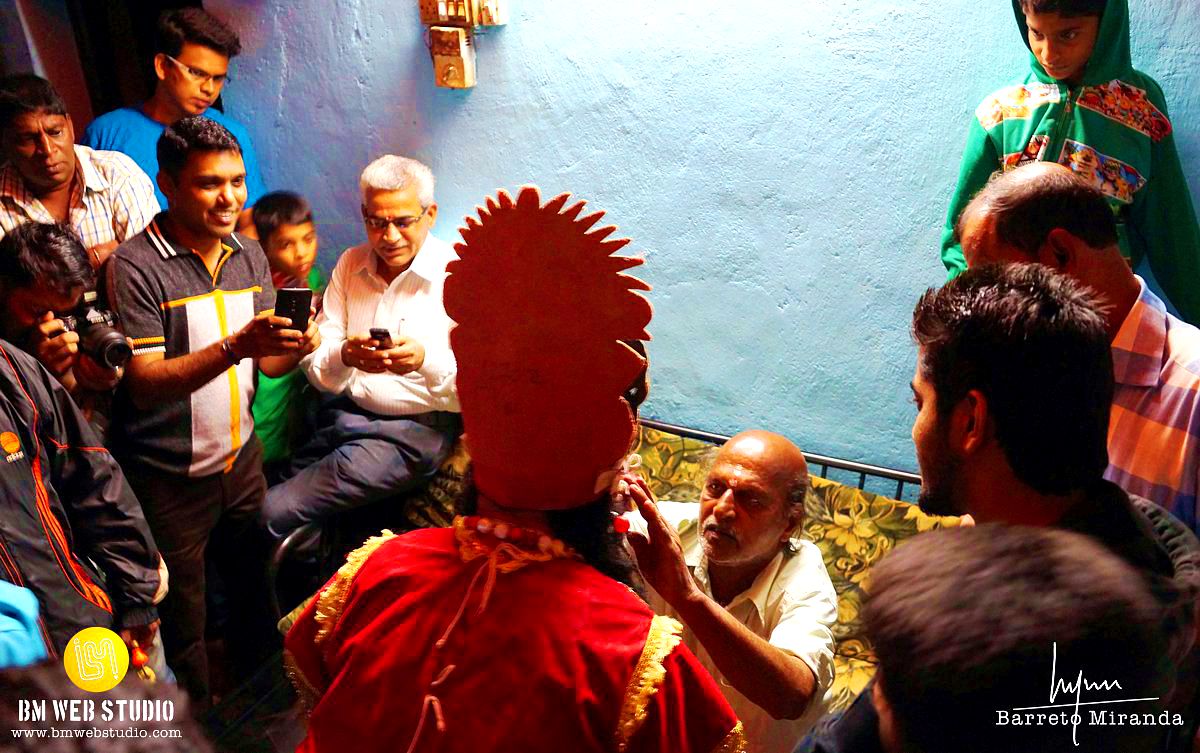
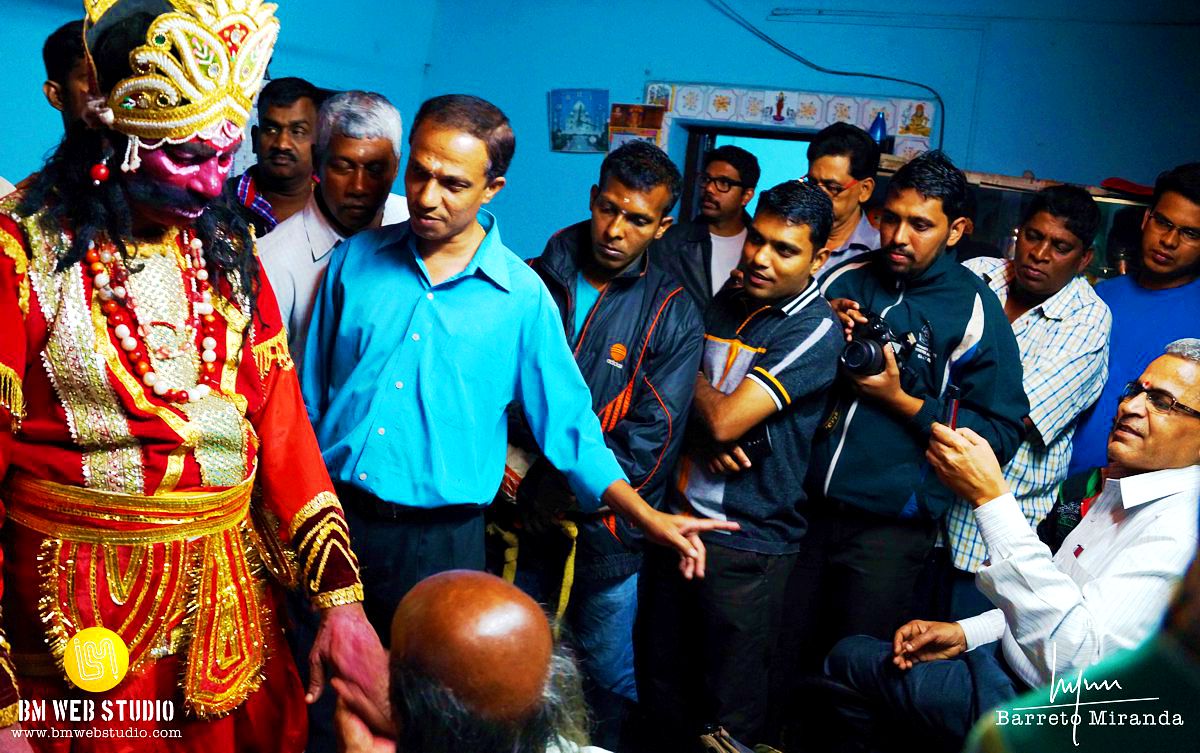
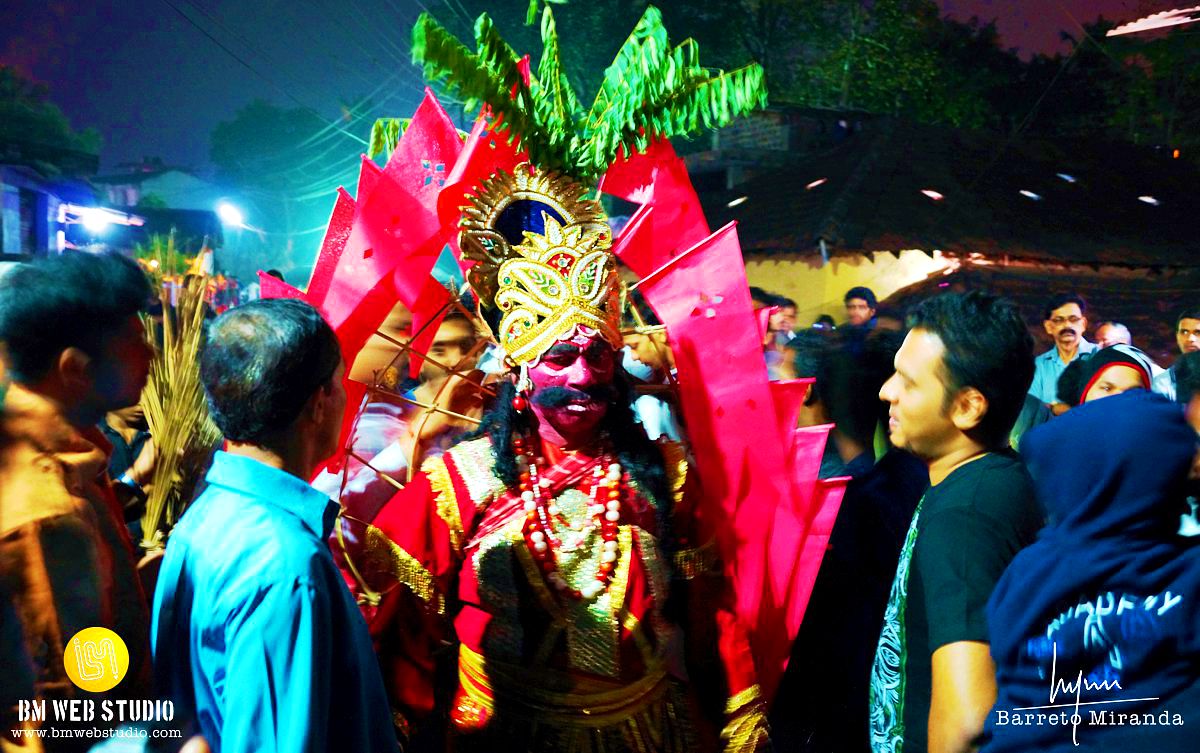
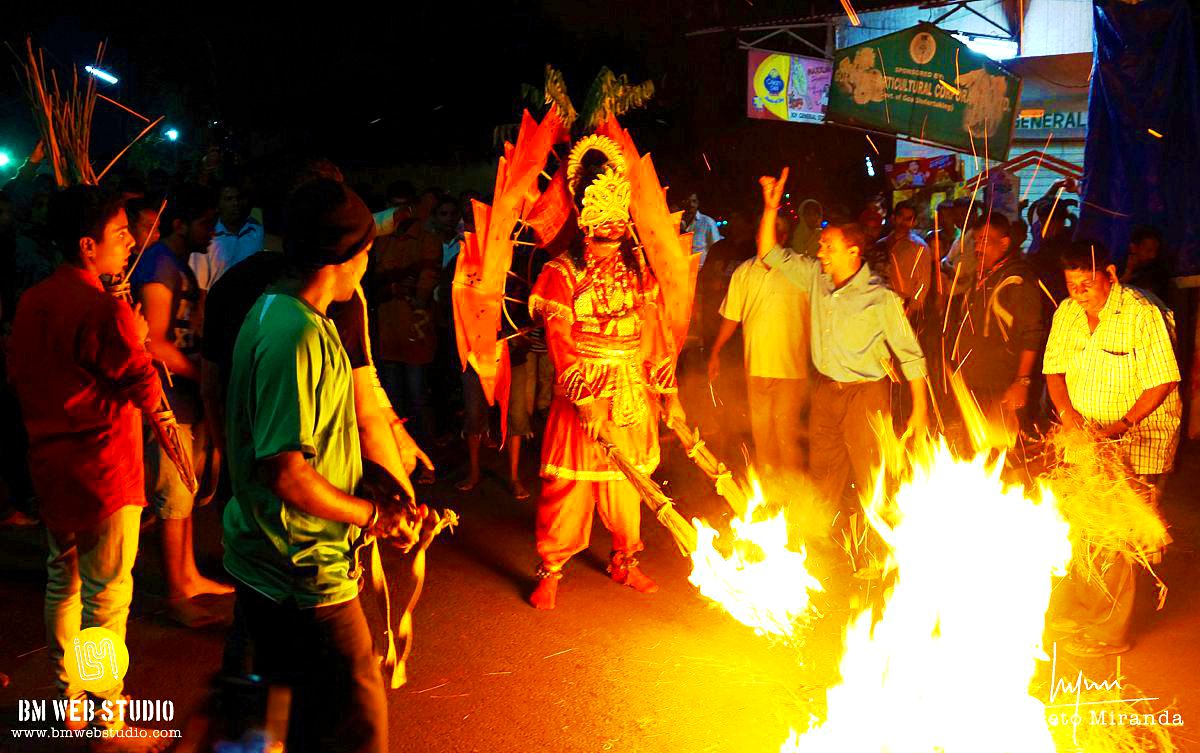
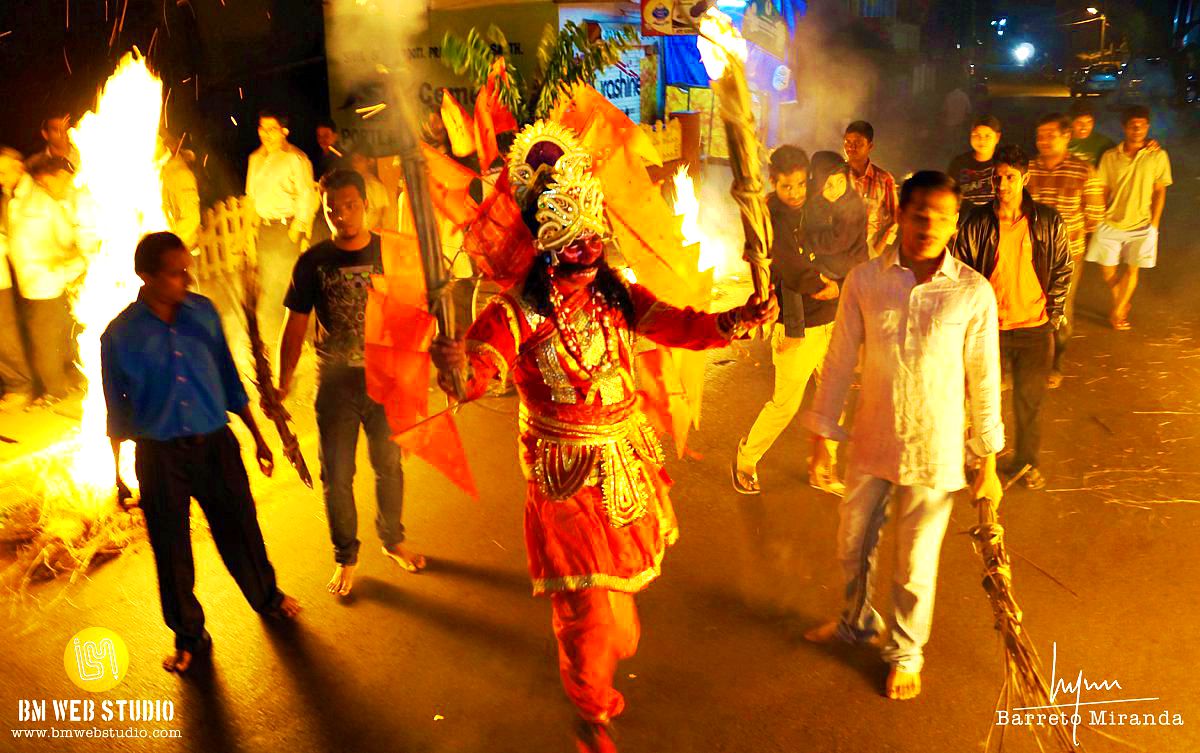

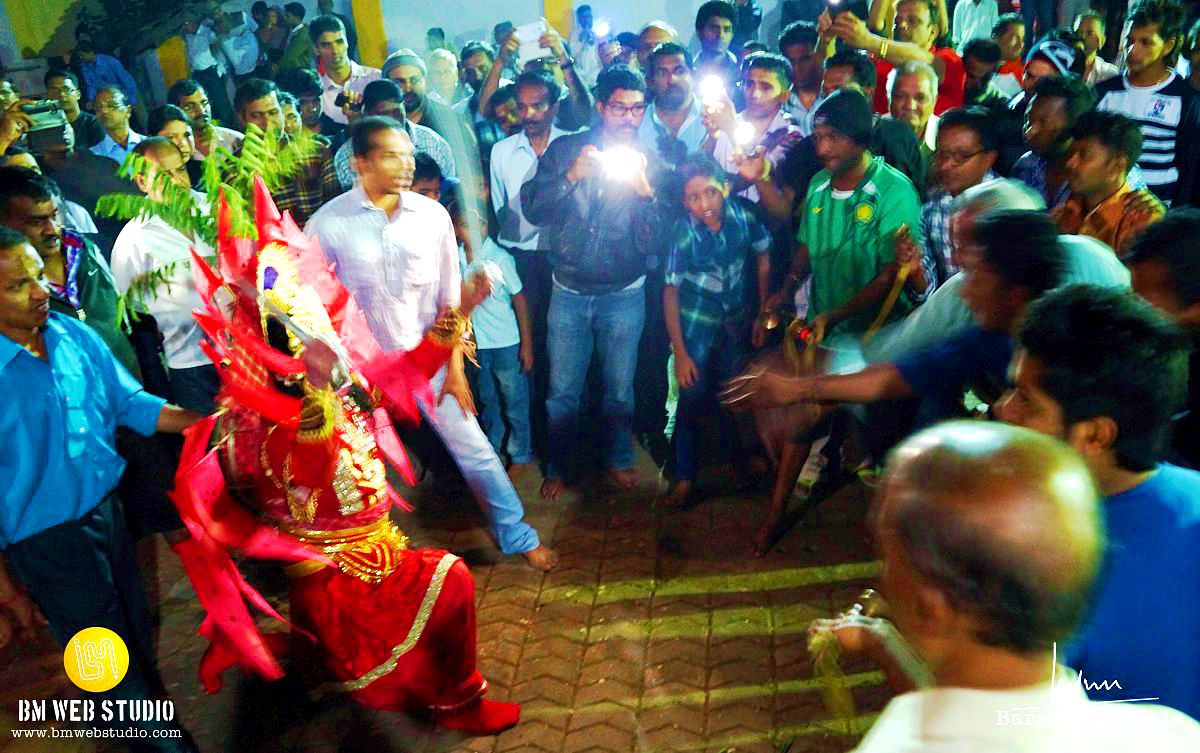
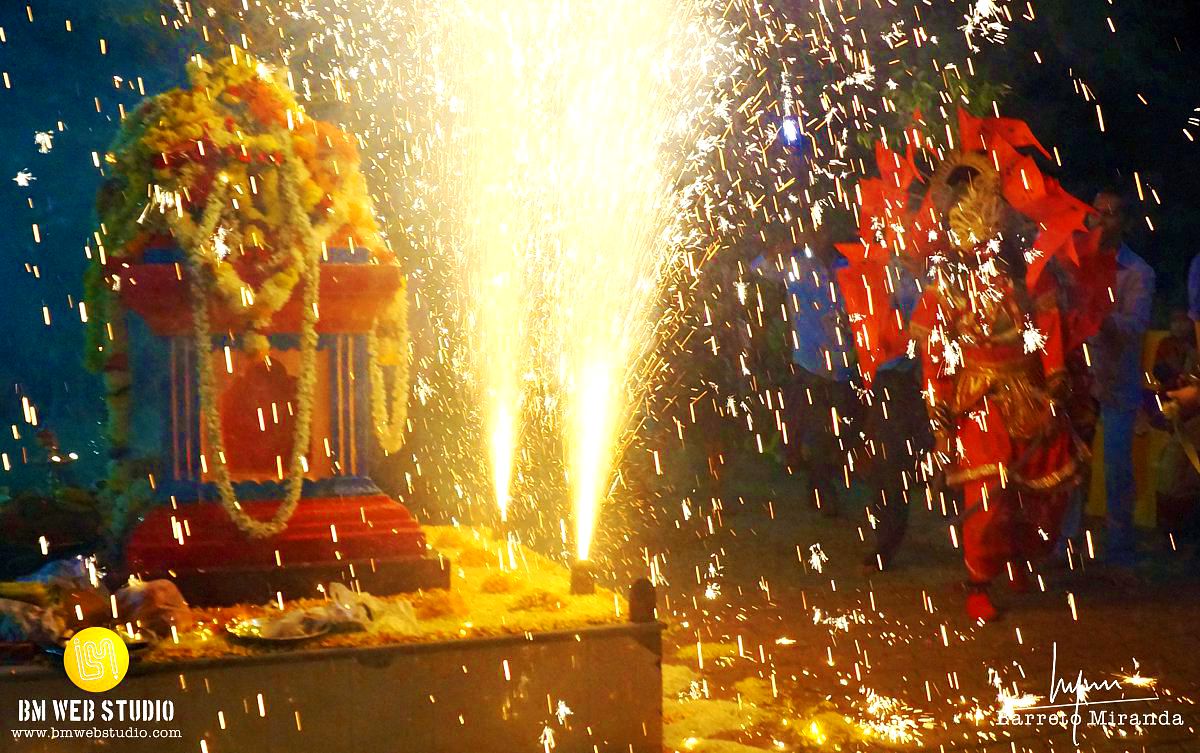
In Goa, devotion does not always arrive in quiet prayer. Sometimes, it surges forward in rhythm and fire—fierce, unrestrained, and almost otherworldly.
Across the villages of Bicholim, Ponda, and Sanguem, as festival drums gather tempo and the scent of incense hangs in the air, a striking figure emerges—crowned, painted, armed with swords. This is Virbhadra, the fierce warrior form associated with Lord Shiva, invoked not through temple worship but through movement, music, and memory.
Curiously, Goa has no dedicated shrine to Virbhadra. And yet, his presence is deeply felt. He lives on in a folk tradition that bridges regions and beliefs, carrying echoes of the Vijayanagar Empire and the cultural currents of neighbouring Karnataka. Even today, invocations like “Virbhadra Anna” and “Houdu” linger in the air—linguistic traces of a shared past.
A Dance Across Time and Terrain
The Virbhadra dance is not confined to a single village or festival—it travels.
In Bicholim, it is performed on the eve of Gudi Padwa, heralding the Hindu New Year with intensity rather than gentleness. In Borde, it marks the final day of Shigmo, Goa’s vibrant spring festival. And in Vithalapur near Sanquelim, perhaps its most evocative expression unfolds on the full moon of the Chaitra month, as part of the Chaitra Utsav.
Here, the dance takes on added meaning.
Set against the historic Shri Vithal temple, believed to date back to the 14th century, the performance becomes a symbolic meeting ground. Shri Vithal—an embodiment of Lord Vishnu and a key figure in the Bhakti movement—represents devotion and unity. That Virbhadra, a Shaivite figure, is invoked here reflects a deeper harmony, one that gently dissolves the lines between Shaivism and Vaishnavism.
As night falls, crowds gather. The air thickens with anticipation. What follows is not merely a performance—it is an experience.
When the Warrior Awakens
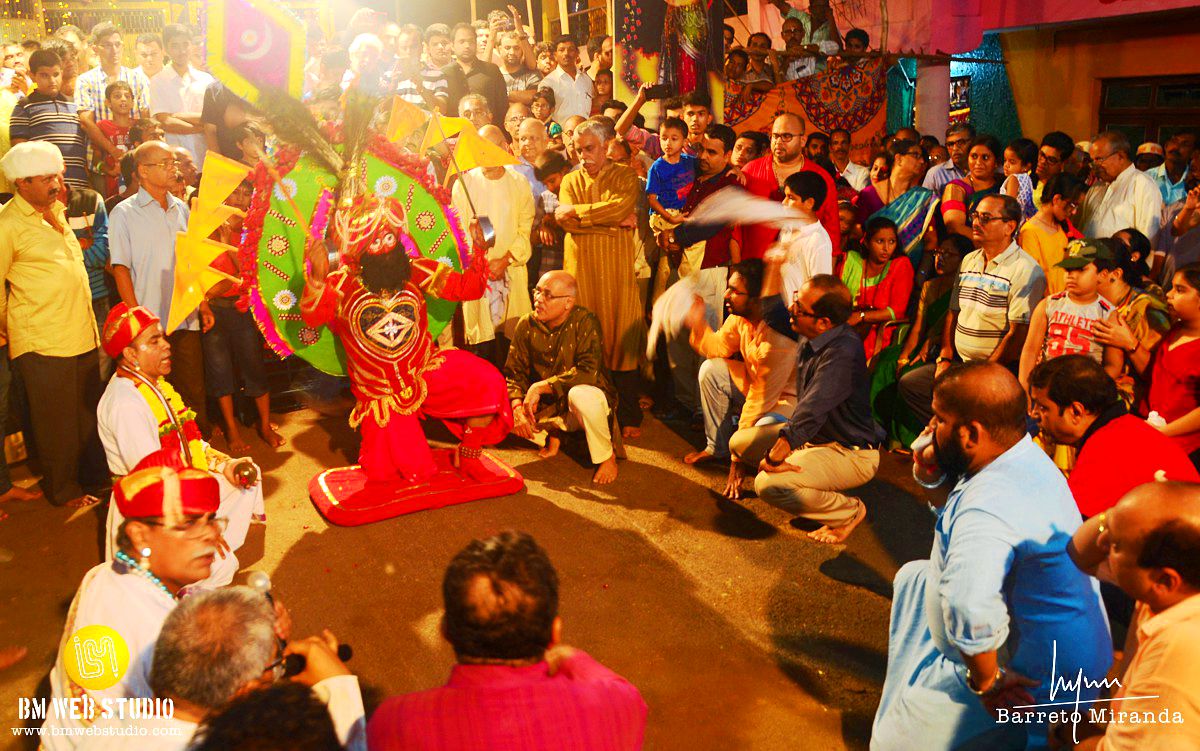
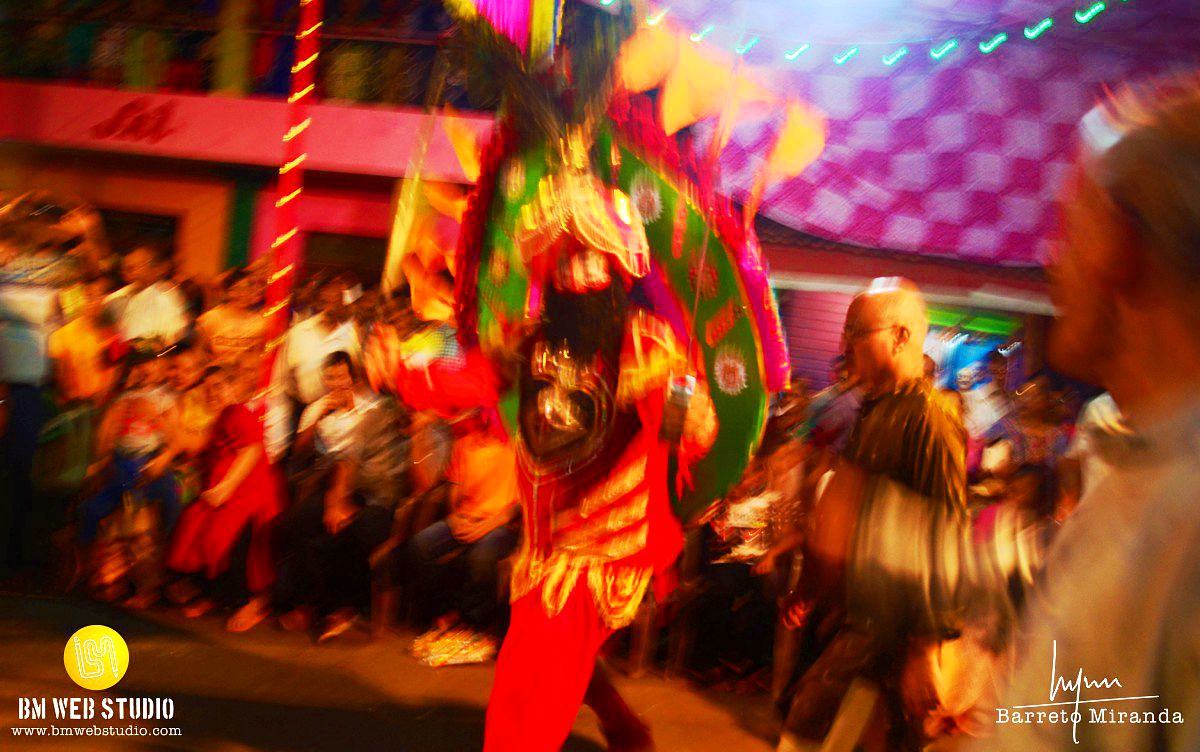
The rhythm begins with the steady beat of the dhol, the sharp clang of kasale cymbals, and the rising urgency of the taso. Into this charged space steps the dancer—resplendent in a heavy, elaborate costume.
A halo-like structure rises behind him, adorned with fluttering flags. His face is painted, his hair long and untamed, his crown gleaming under flickering light. In his hands, two swords glint as he circles the sacred space.
Then, something shifts.
The measured steps give way to something more visceral. His movements grow sharper, faster—charged with a raw, almost unsettling energy. The dancer appears to slip into a trance, his body no longer entirely his own. There is aggression here, but also purpose. The audience watches in awe, even fear, as the warrior spirit of Virbhadra seems to take hold.
This is not choreography alone—it is invocation.
The Fire Behind the Fury
At the heart of this dance lies an ancient story.
According to mythology, Daksha, father of Parvati, once organised a grand sacrificial ritual but deliberately excluded Lord Shiva. Unable to bear the insult that followed, Parvati immolated herself in the sacred fire. Shiva’s grief turned to rage. From that rage emerged Virbhadra—a formidable being born to destroy the arrogance of Daksha and restore cosmic balance.
The dance, in essence, is a remembrance of that moment—of fury born from injustice, and of destruction as a form of divine correction.
Ritual, Discipline, and Devotion
Behind the spectacle lies quiet discipline. The performer who embodies Virbhadra observes strict rituals—often maintaining a vegetarian diet for days and fasting before the performance. In some traditions, he begins his journey holding flaming torches, igniting piles of dry grass along the path before reaching the mand (sacred ground), where the swords replace the fire.
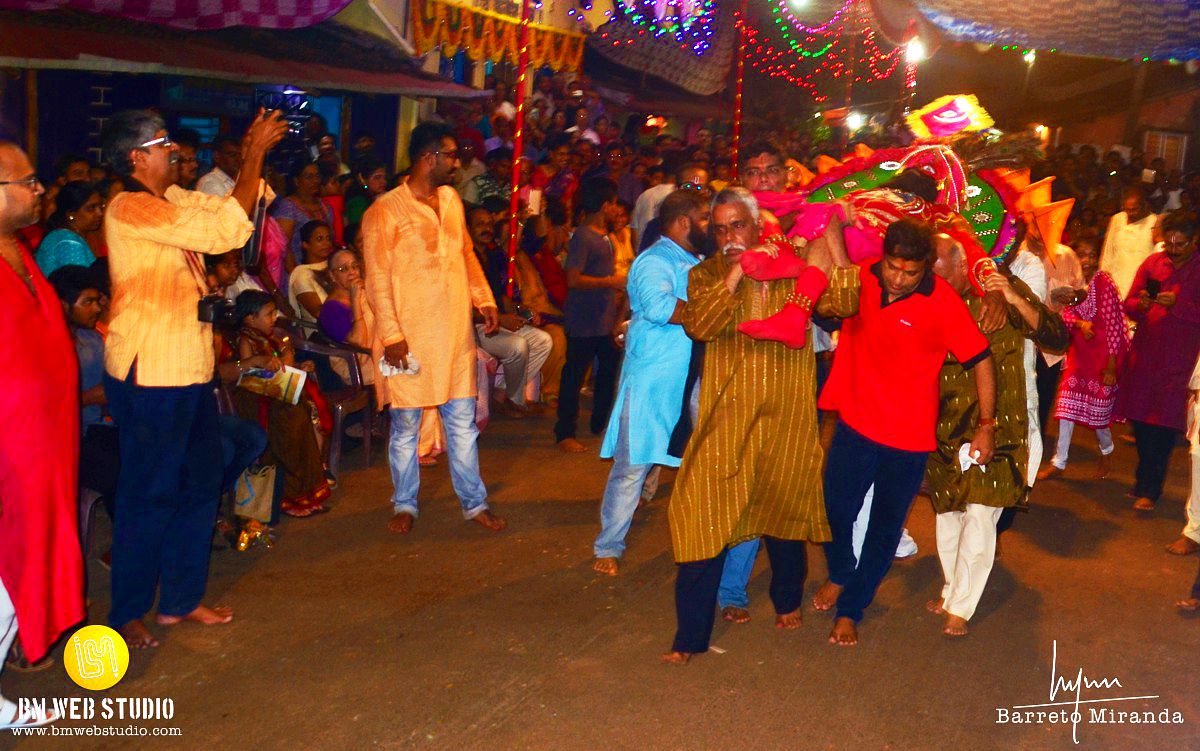
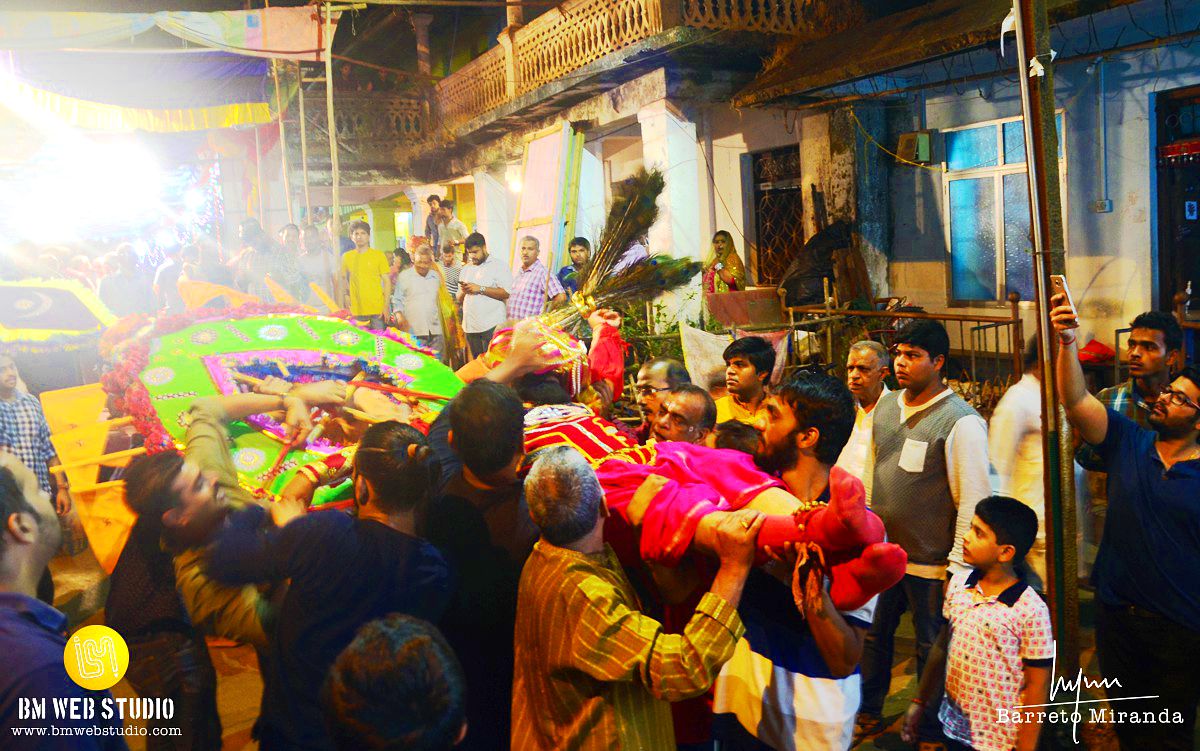
He is not alone. Two attendants flank him, ready to support the dancer—both physically and spiritually—especially as the performance intensifies. For the costume is heavy, the movements demanding, and the trance unpredictable. A fall, they believe, would be an ill omen.
In Sanguem, the ritual takes on an added layer of grace. Before Virbhadra appears, a young girl dressed as Goddess Saraswati performs a serene dance atop a peacock effigy—a quiet prelude before the storm.
Echoes of a Martial Past
Alongside dances like Ghodemodni and Viramel, the Virbhadra performance reflects Goa’s lesser-known martial heritage. These are not just dances of celebration—they are reminders of a time when communities carried the memory of warfare, resilience, and protection.
Virbhadra, after all, is not a gentle deity. He is a warrior—unyielding, formidable, and fiercely just.
A Living, Breathing Legacy
Today, as Goa continues to evolve, the Virbhadra dance endures—not in curated stages, but in village squares, temple courtyards, and open grounds where tradition still breathes freely.
It resists dilution. It demands attention.
And perhaps that is its power.
For in the flicker of torchlight, in the clash of cymbals, and in the fierce arc of a sword slicing through air, Virbhadra is not just remembered—he is reborn.
A reminder that within devotion, there can also be fire.
Photos by Lynn Barreto Miranda / lynn.barretomiranda.com
Photos of Virbhadra at Sanguem held on 27th Margao 2017
Photos of Virbhadra at Borim held on 4th April 2017
Photos of Virbhadra at Ponda held on 5th April 2017
Photos of Virbhadra at Shiroda held on 12th April 2017