
Sanquelim’s Tripurari Poornima: Goa’s Festival of Floating Lamps
at Vithalapur, Sankhali (Sanquelim)
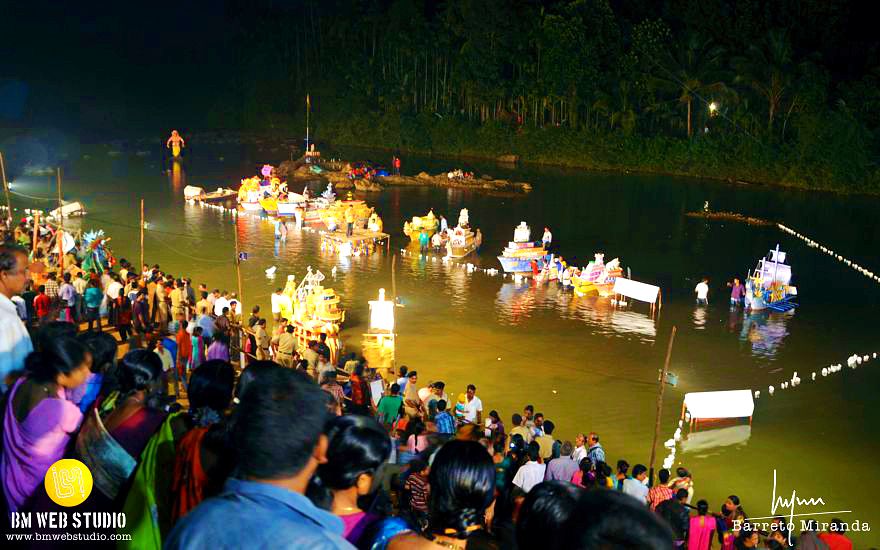
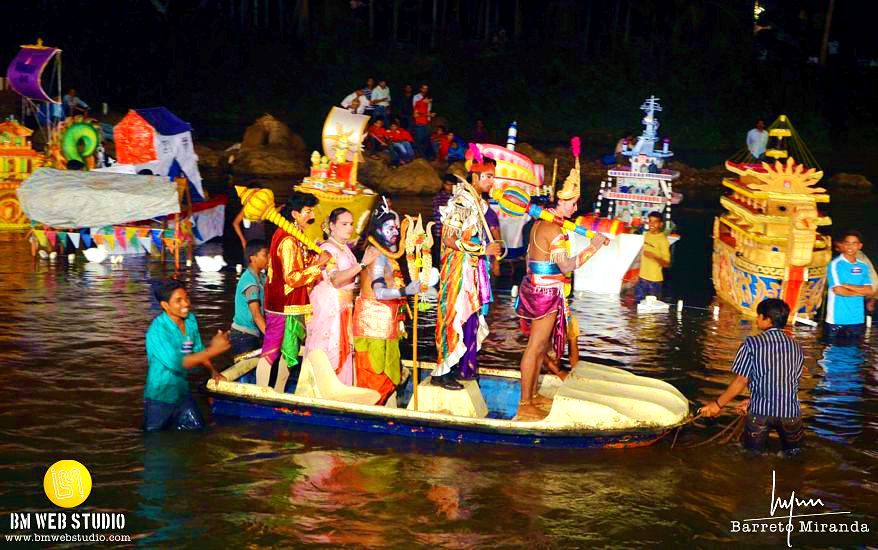
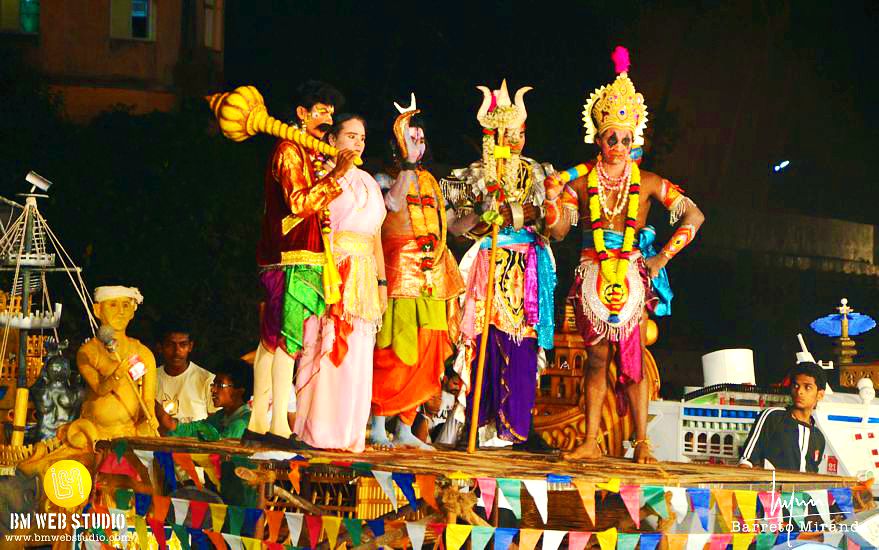
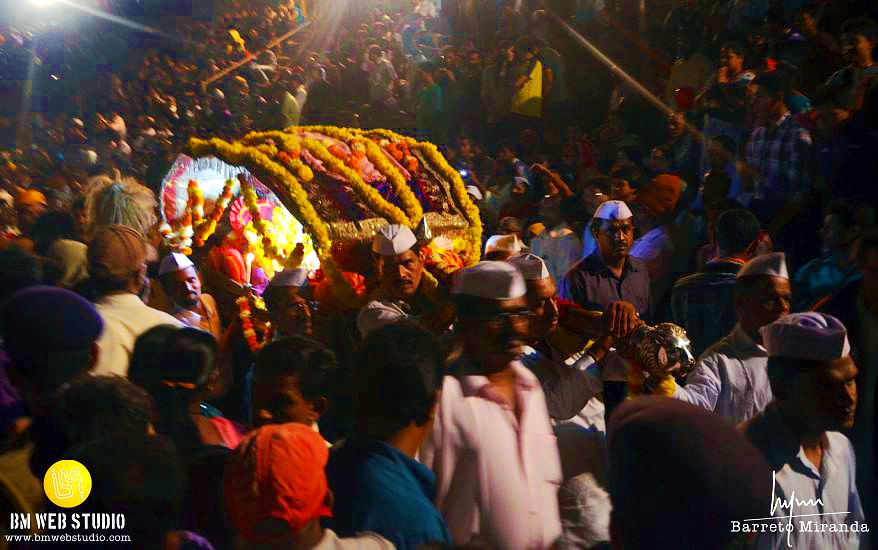
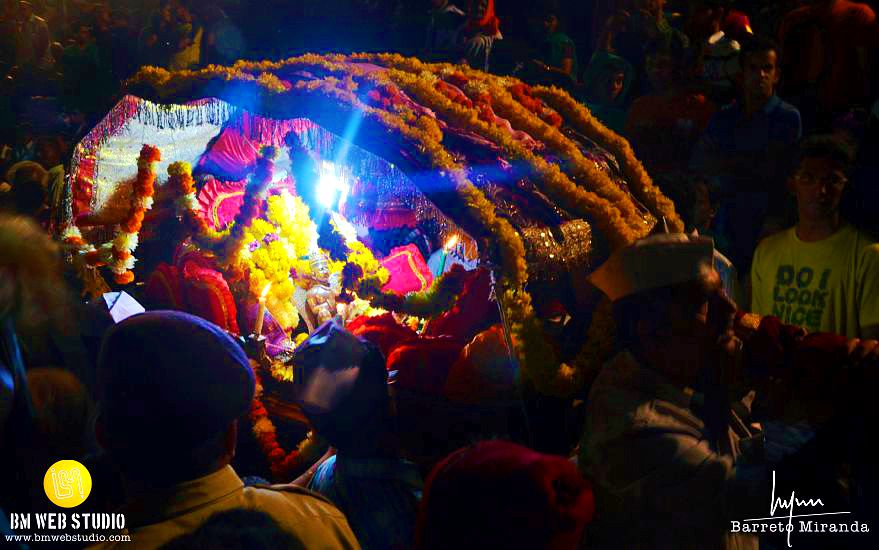
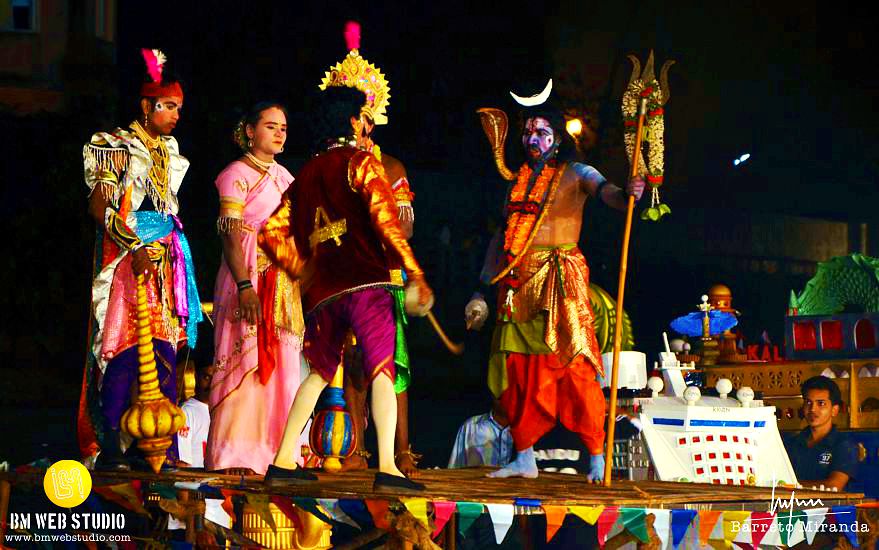

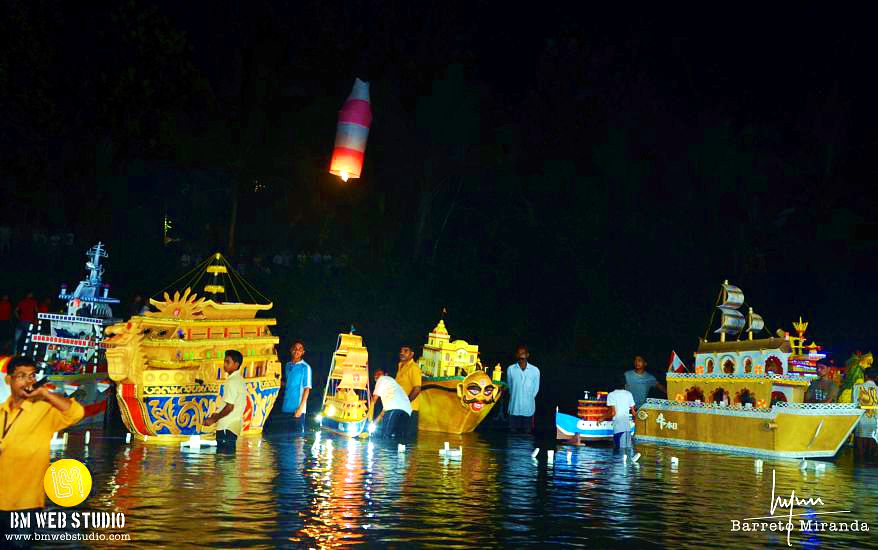

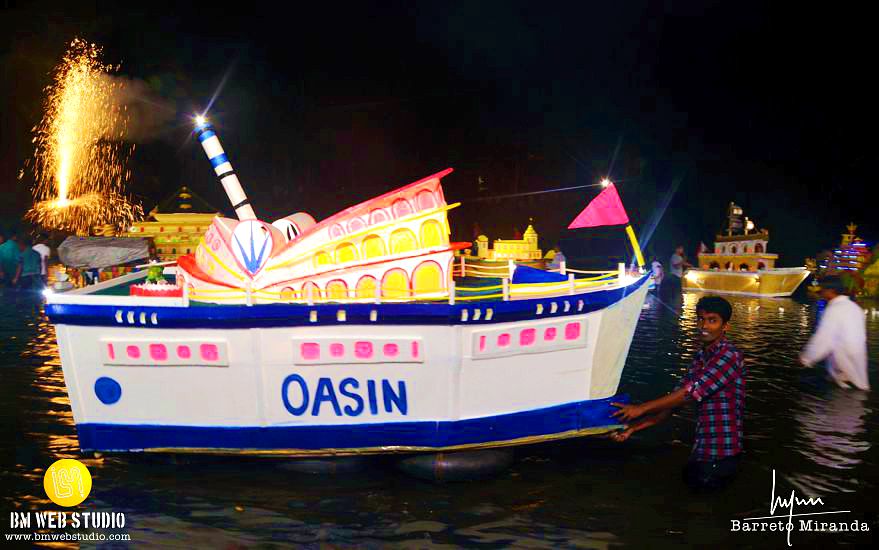
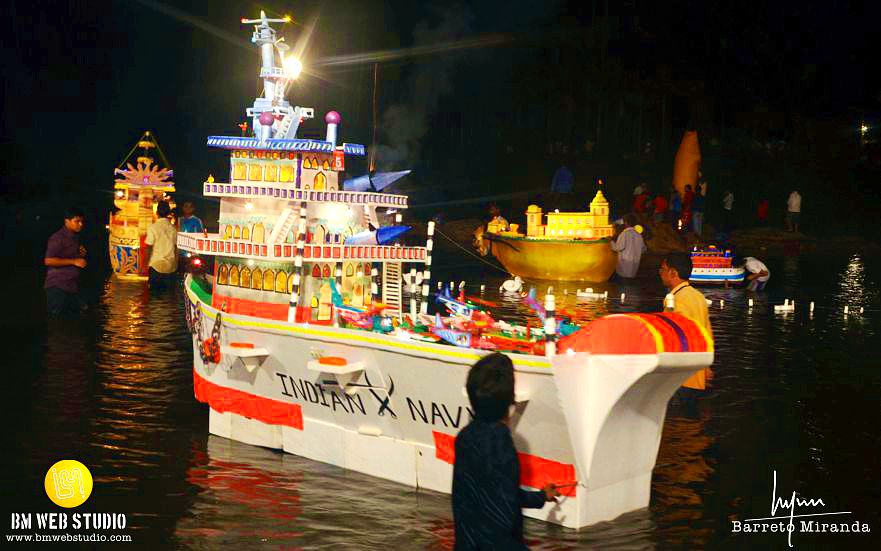
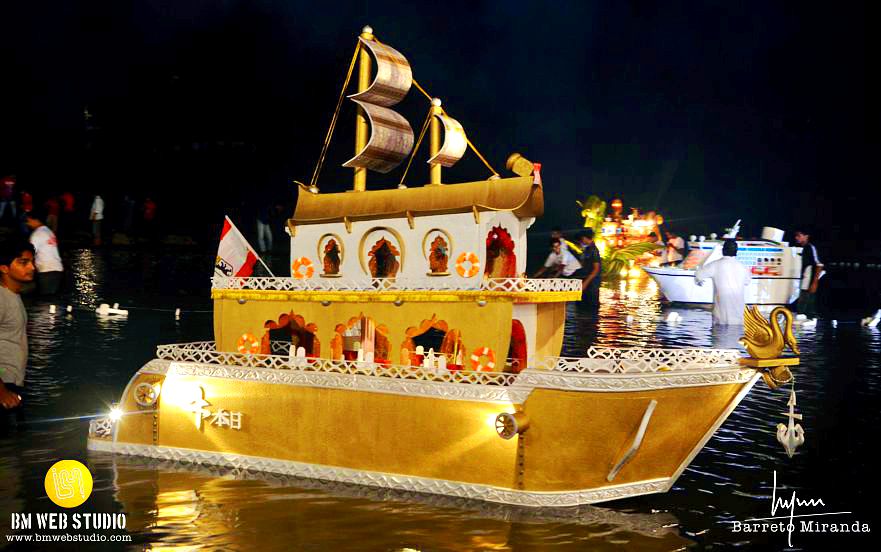

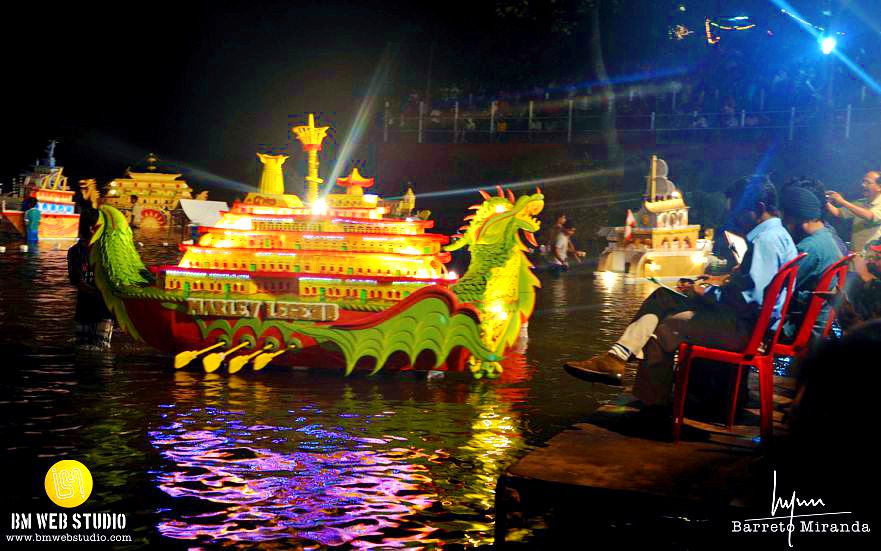


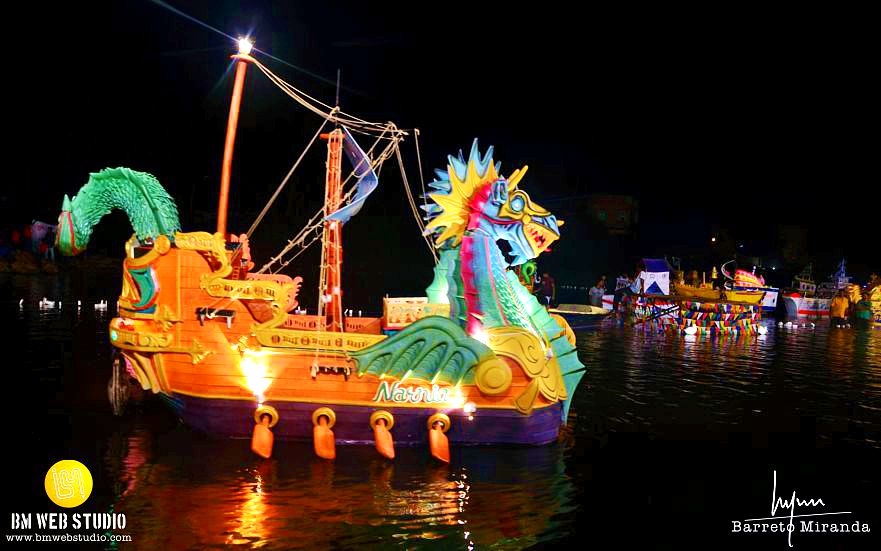

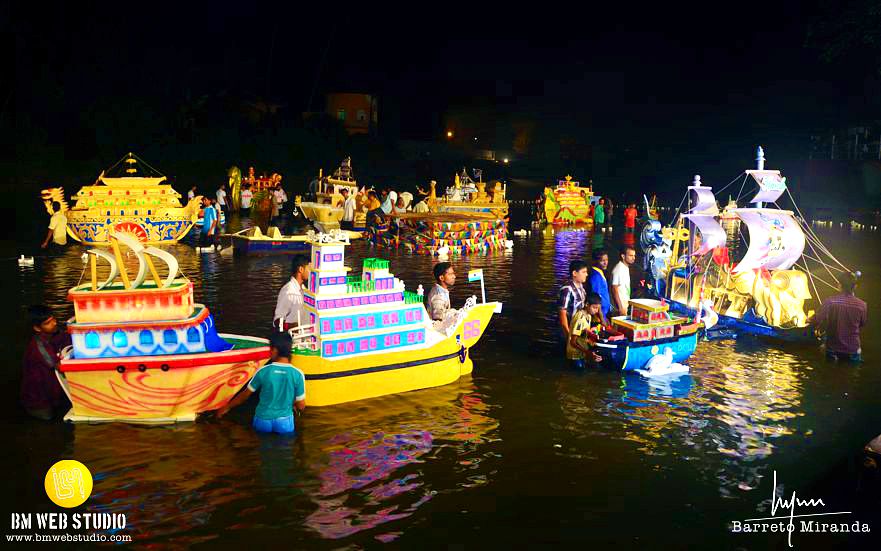
On a still November night in Sanquelim, the quiet waters of the Valvanti River begin to shimmer with hundreds of tiny flames. Lamps drift slowly across the current like constellations carried downstream, their reflections trembling in the dark water. Along the riverbank, the air fills with the murmur of prayers, the beat of traditional drums and the expectant glow of a community gathered for one of Goa’s most enchanting river festivals — the Tripurari Poornima Boat Festival at Vithalapur.
Tripurari Poornima falls on the full moon night of the Hindu month of Kartika and commemorates the triumph of good over evil. According to legend, the demon king Tripurasur had grown powerful enough to torment the gods. In response, Lord Shiva rose in defence of the celestial realms and destroyed the demon after a fierce cosmic battle. The victory occurred on the night of Kartik Poornima, and ever since, devotees have marked the occasion by lighting lamps in temples dedicated to Shiva and offering them to rivers and sacred waters. Tradition also holds that Kartikeya, the son of Shiva, is honoured on this day.
In Goa, few places celebrate the occasion with the visual splendour found at Vithalapur in Sanquelim. Each year, devotees gather on the banks of the Valvanti River near the Shri Vitthal Temple to witness a ritual that blends faith, folklore and artistry. The evening begins with devotional ceremonies and the lighting of lamps within the temple precincts, where the ritual of deeparadhana — the worship of light — is performed.
As dusk deepens, the temple courtyard flickers with rows of oil lamps. Around 7 pm, the festive energy builds with a procession carrying the idol of Lord Krishna through the streets, accompanied by music and chants. Later in the night, at around 11 pm, the palkhi procession of Lord Vitthal and Goddess Rakhumai arrives at the riverbank. After prayers and rituals beside the Valvanti, the symbolic slaying of the demon Tripurasur — known as Tripurasur Wadh — is enacted, marking the mythological victory that the festival commemorates.
Then comes the moment everyone waits for. Devotees gently release lamps onto the river, sending hundreds of flickering lights drifting across the dark surface. In earlier times these lamps were placed inside simple leaf bowls known as dronas. Over the years, the tradition evolved, and the leaf vessels gradually transformed into miniature boats.
Today the river becomes a floating gallery of creativity. Elaborate boats fashioned from cardboard and thermocol glide across the water, often crafted with remarkable detail — temples, palanquins, mythological scenes and ornate shrines illuminated by rows of tiny lamps. As midnight approaches, these glowing flotillas gather on the river, creating a spectacle that is both devotional offering and artistic expression.
The night reaches its crescendo with the release of a sarang — a glowing hot-air lantern rising slowly into the sky — followed by bursts of fireworks that reflect across the water below.
Yet beneath the visual splendour lies a ritual that has remained unchanged for generations. At its heart, Tripurari Poornima is about light — the worship of lamps (deeparadhana) and the offering of light to the divine (deepadana). The forms may have evolved from simple leaf bowls to ornate floating boats, but the symbolism remains constant.
And so, as the last lamps drift quietly down the Valvanti and the festival lights begin to fade, Sanquelim is left with a gentle reminder carried on the river’s glow — that even the smallest flame can push back the darkness.
* Photos are of the Tripurari Poornima Boat Festival held on November 10, 2011.
Photos by Lynn Barreto Miranda / lynn.barretomiranda.com

Scan the code for directions.

website designed by lynn
goa / ph: 9822151419