
Epiphany on the Hill: The Three Kings Feast of Cansaulim
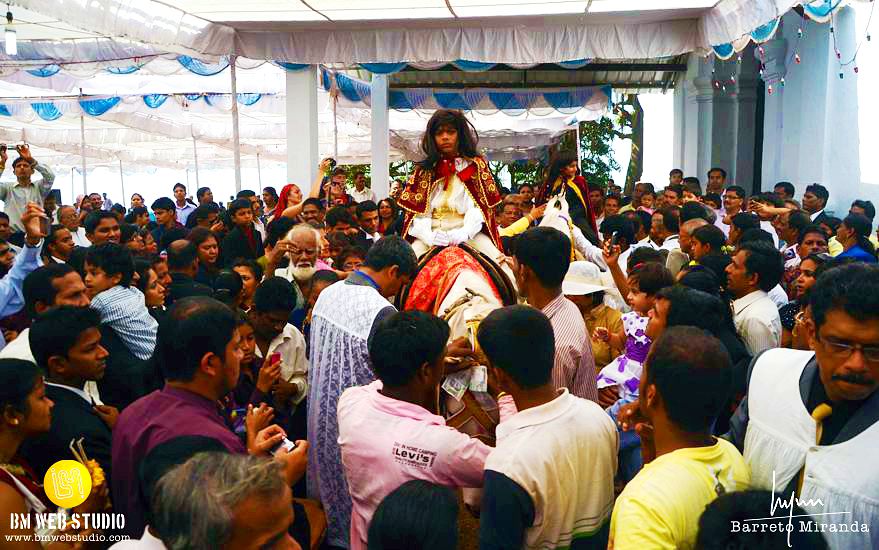
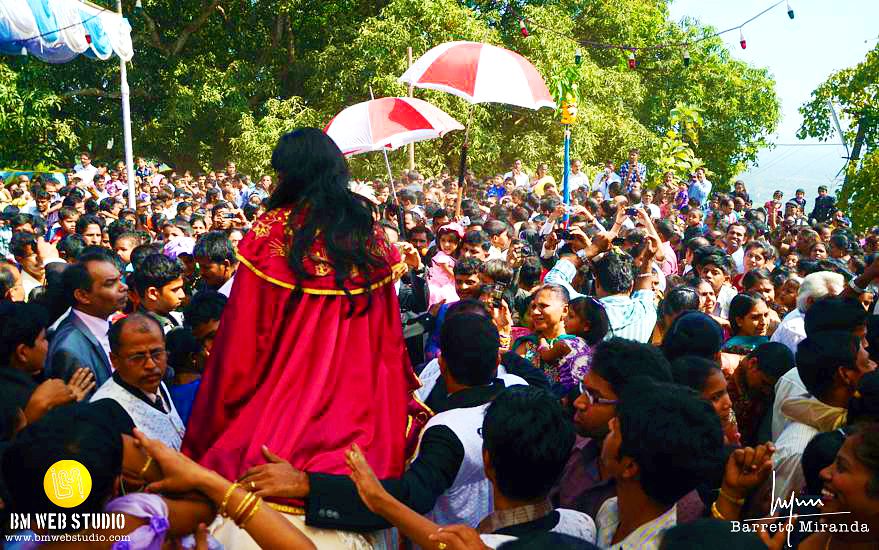

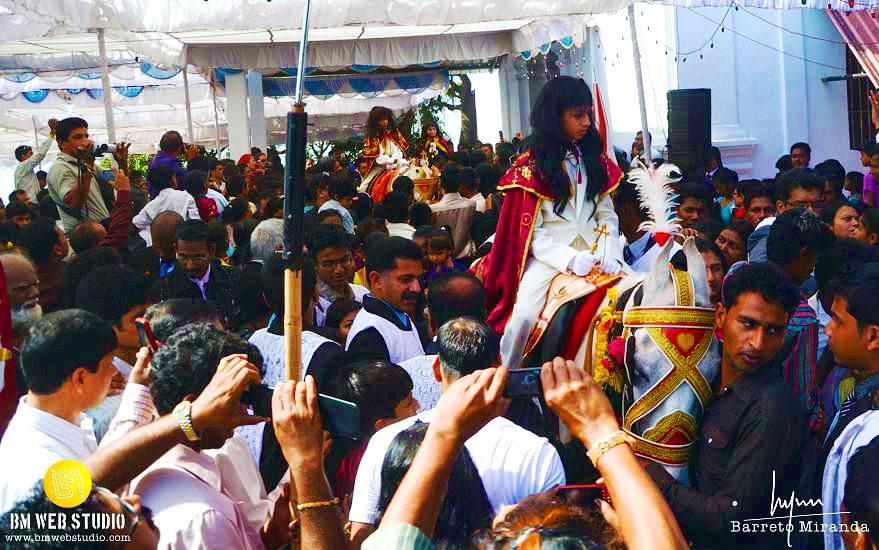
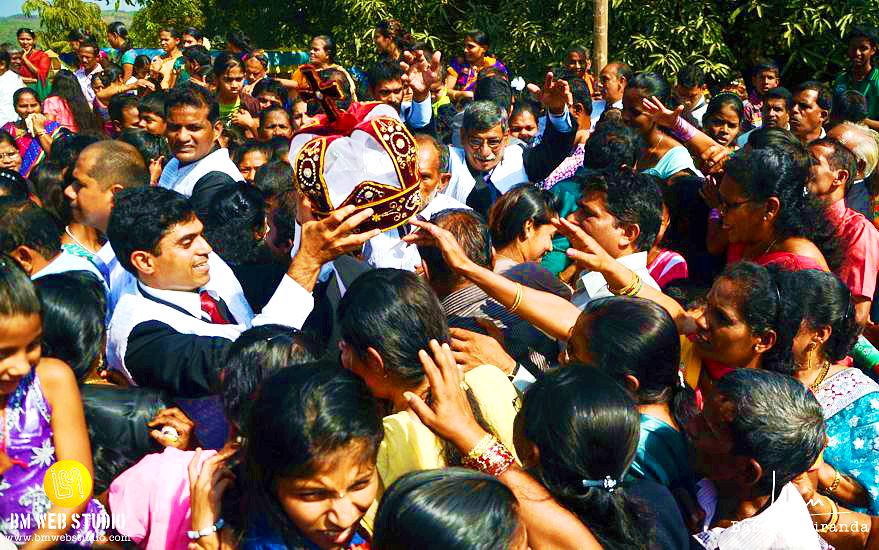
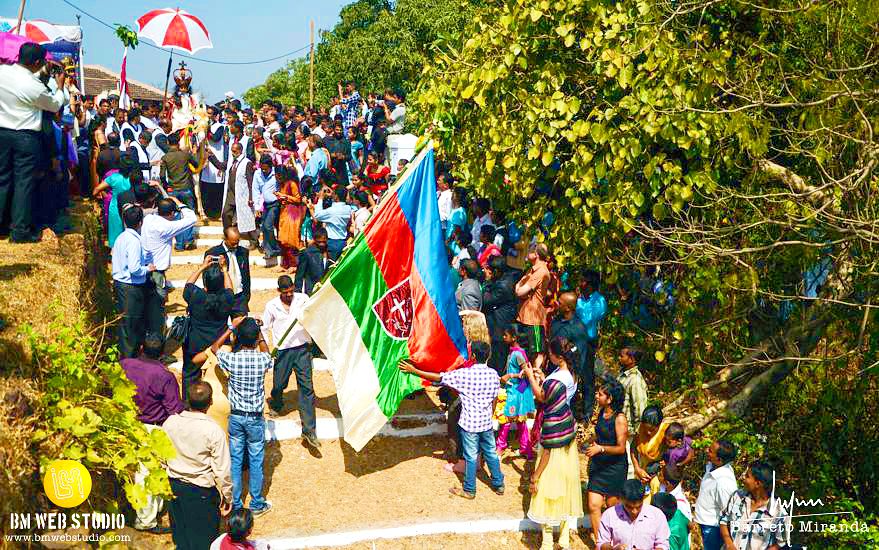


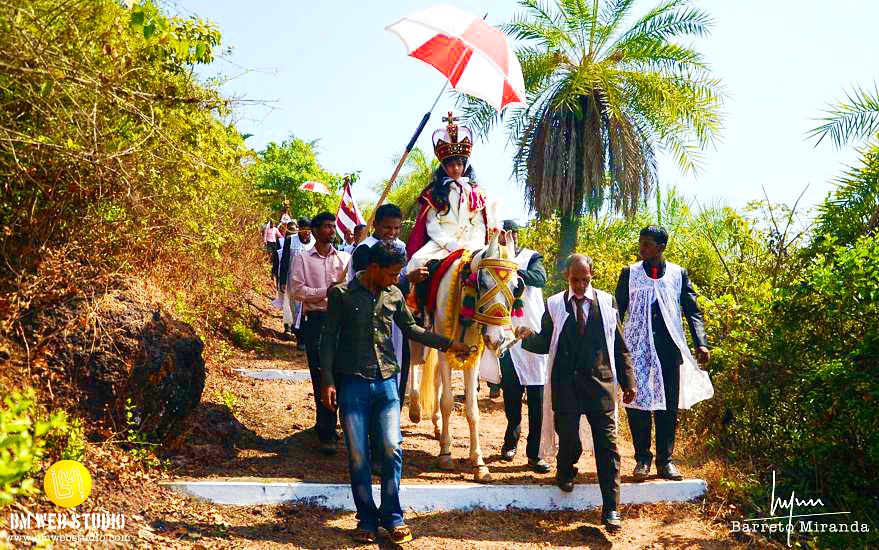
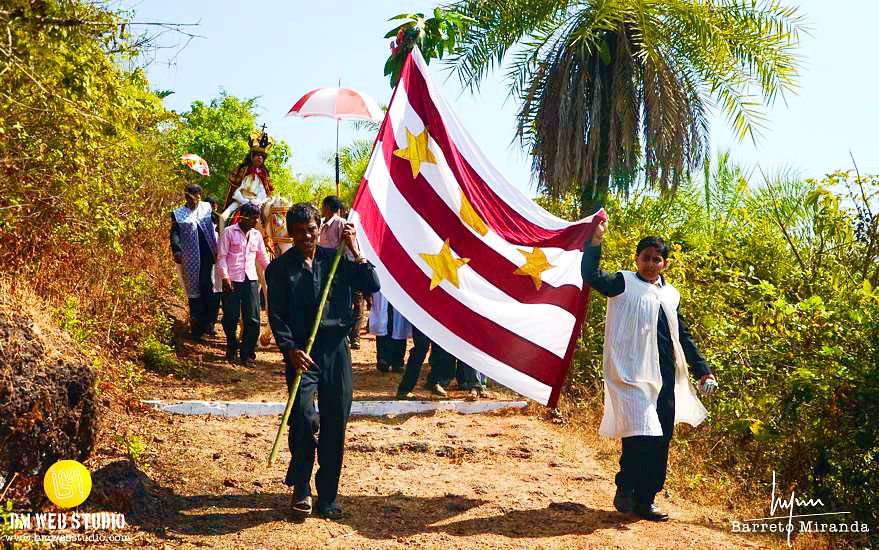
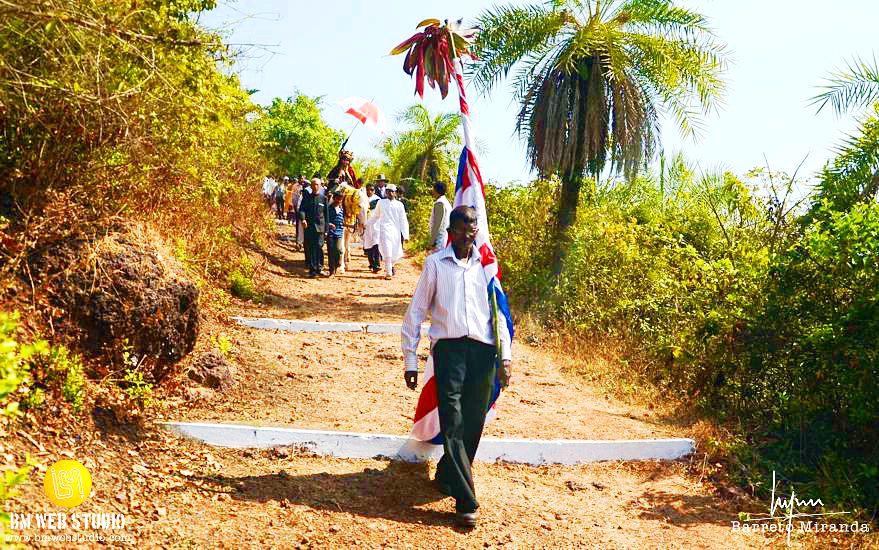
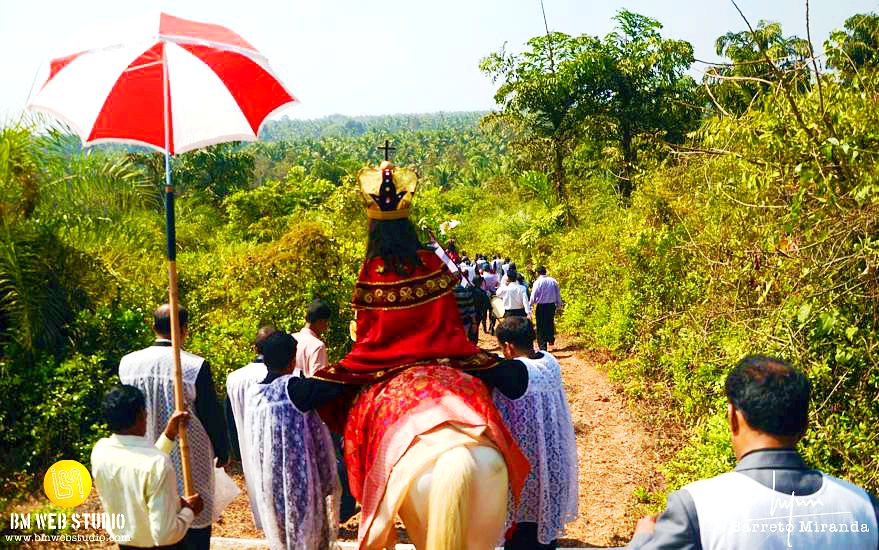
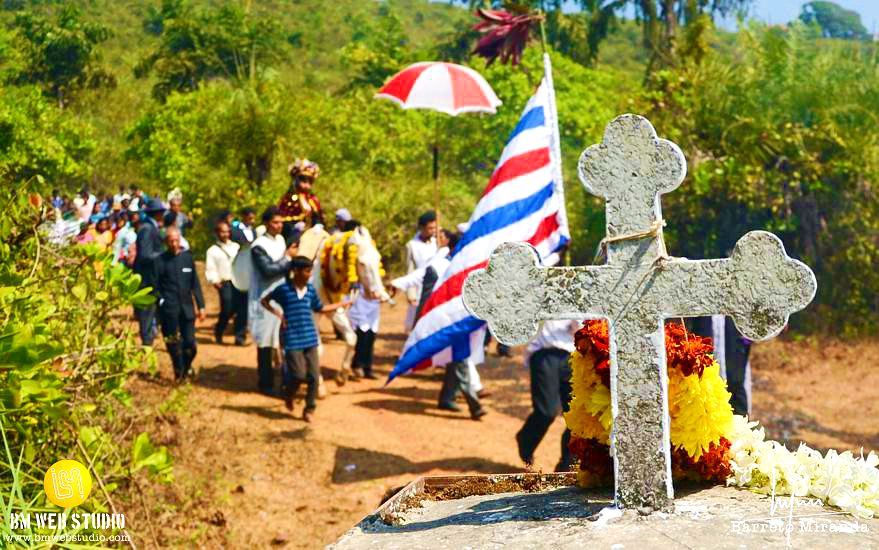

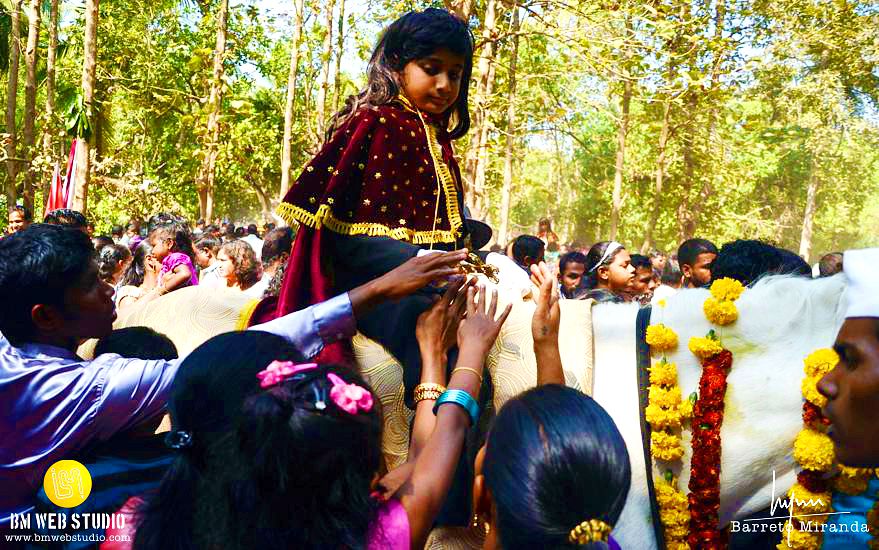
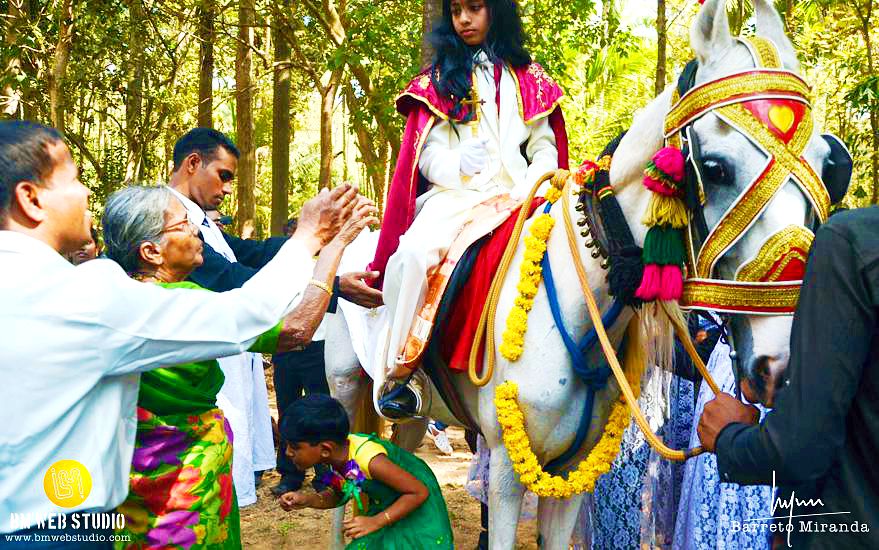
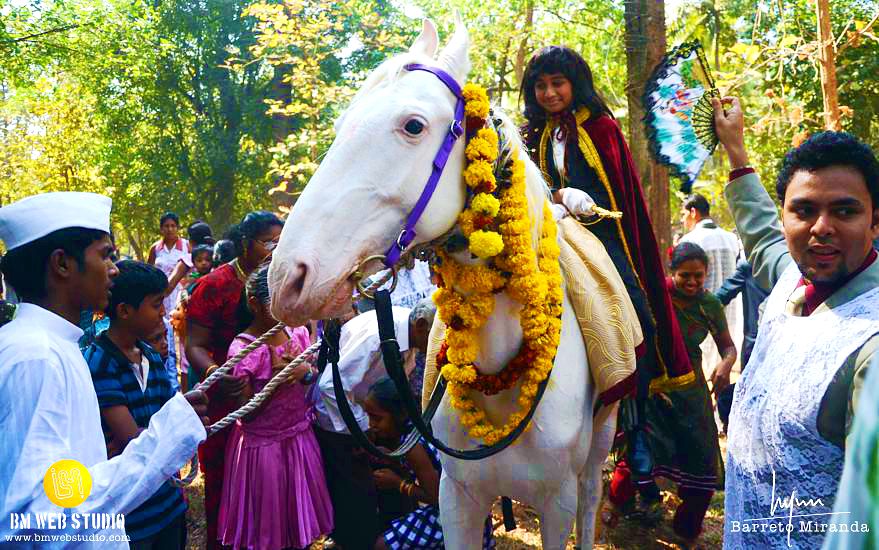

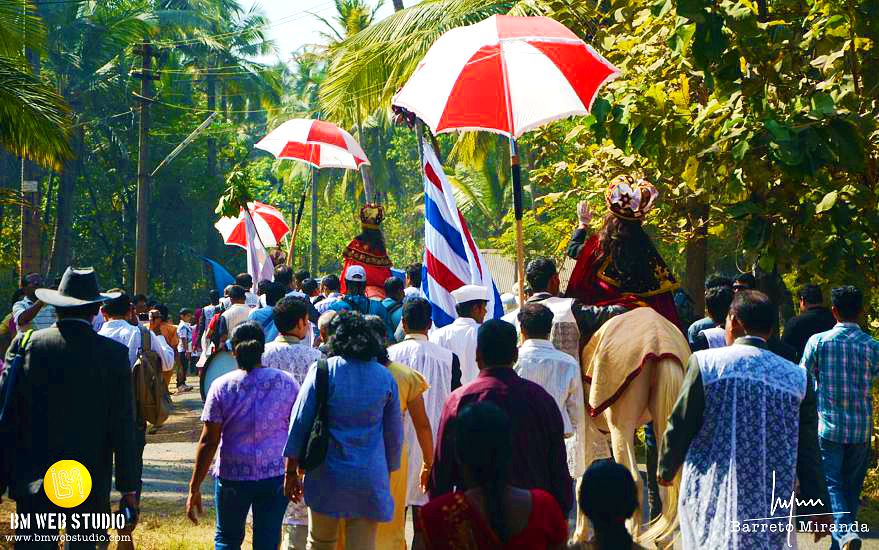


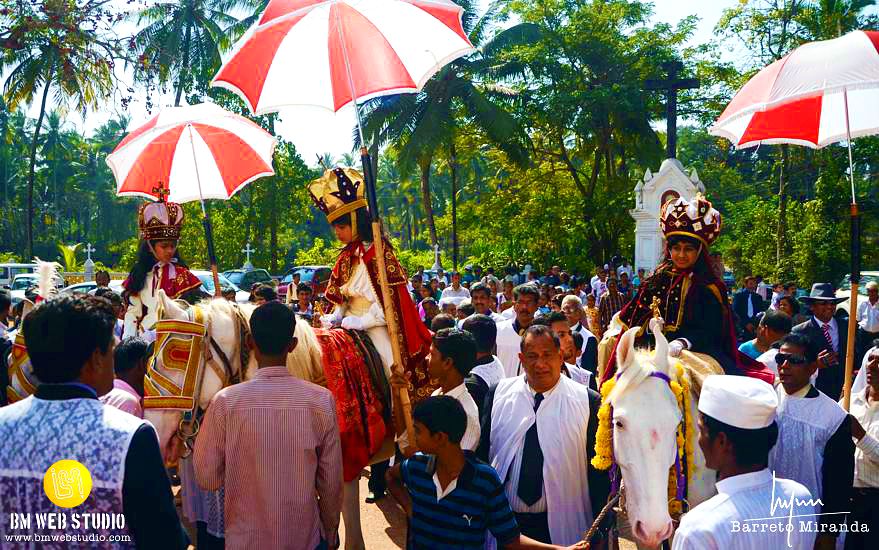
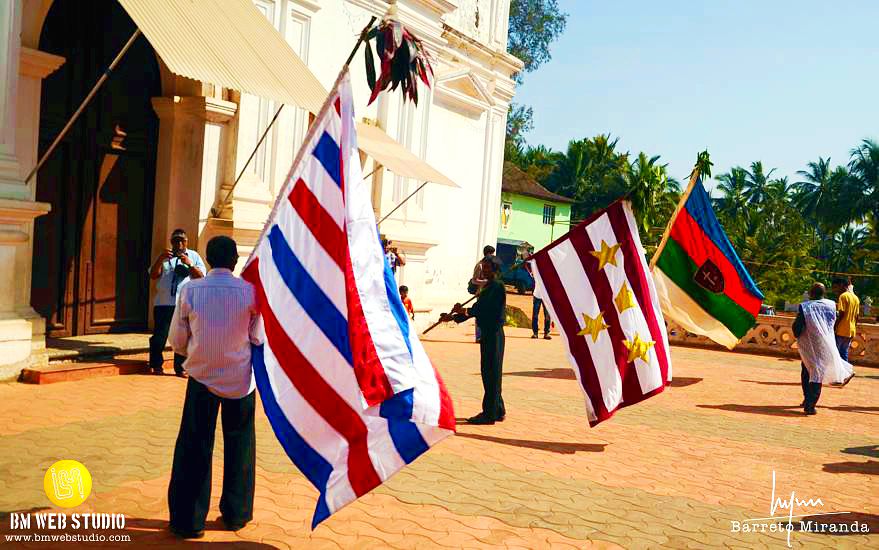
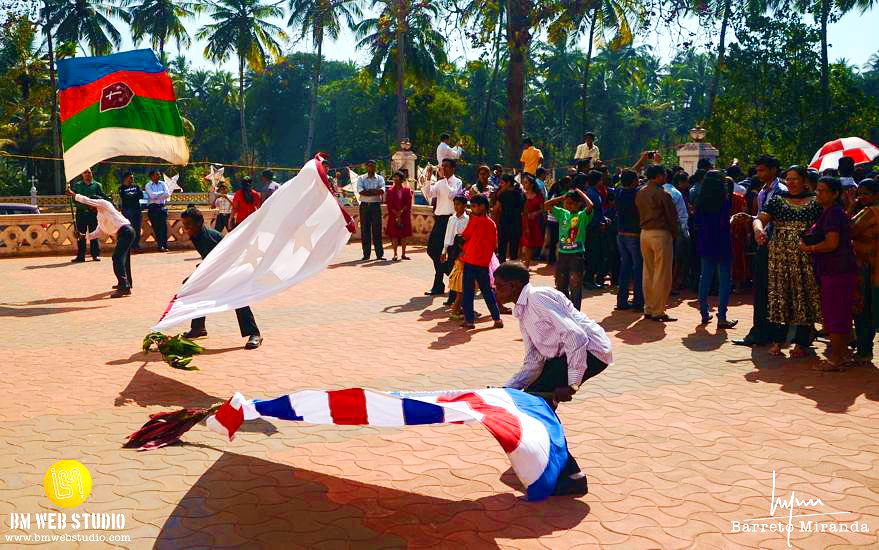
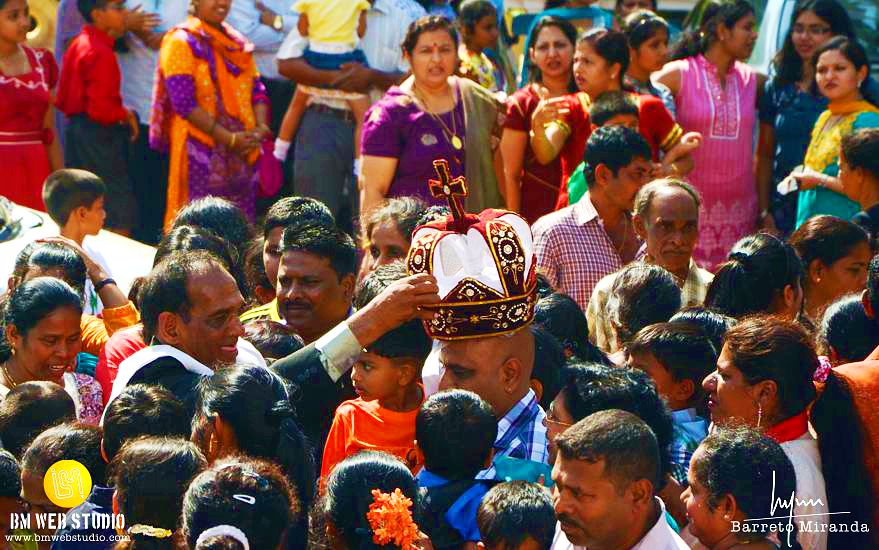
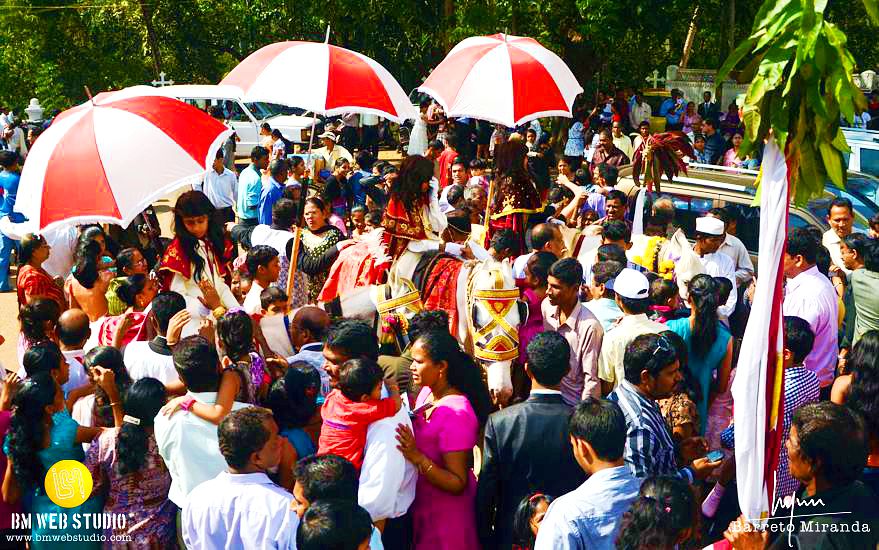
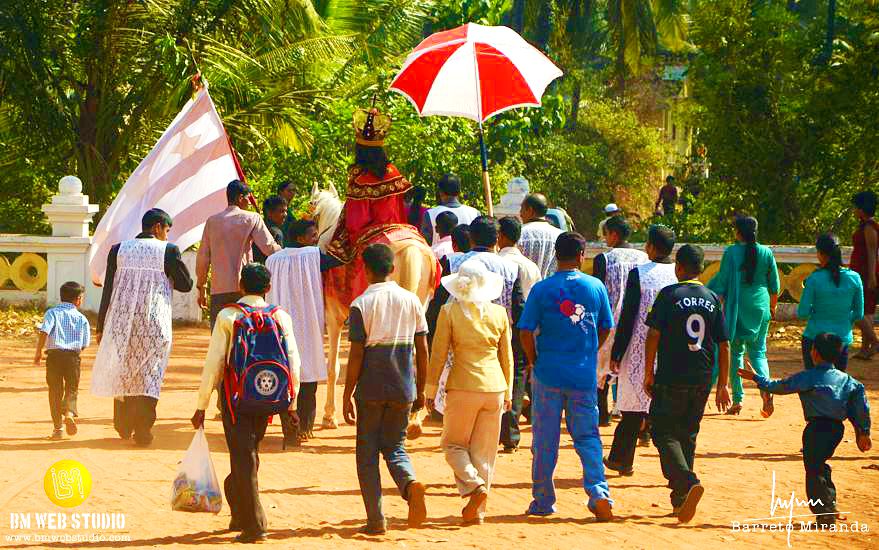

On the morning of 6 January, the quiet villages of Cansaulim, Arossim and Cuelim awaken to a spectacle that seems to step straight out of scripture. Along winding village paths and palm-fringed lanes, three young riders appear on horseback, dressed in royal robes and crowns. Each represents one of the Three Kings — the wise men who, according to the Biblical narrative, journeyed to Bethlehem more than two millennia ago to pay homage to the infant Jesus.
In Goa, the Feast of the Epiphany — popularly known as the Feast of the Three Kings or Magi — is celebrated in several places, including Chandor in South Goa and Reis Magos in the north. Yet nowhere does the story unfold quite as dramatically as in the coastal villages of Cansaulim, Arossim and Cuelim, where faith and tradition come together in a uniquely Goan pageant.
Here, three boys are chosen from the three villages to portray the kings. Each begins his journey from his respective village, riding along separate routes towards a common destination: the hilltop chapel of Nossa Senhora dos Remédios (Our Lady of Remedies) at Cuelim. Perched above the surrounding countryside, the chapel becomes the symbolic Bethlehem of this living tableau.
Dressed as monarchs and bearing the traditional gifts of gold, frankincense and myrrh, the riders approach from different directions until their paths finally converge at the foot of the hill. Accompanied by villagers, music and cheering crowds, the three kings ascend together to the chapel, where they participate in the solemn feast Mass, traditionally held in the morning.
The small but historic chapel itself dates back to 1599, when it was founded by Fr Gonsalo Carvalho and later affiliated to the nearby St Thomas Church in Cansaulim. Over the centuries, the feast has remained closely tied to the village’s traditional institutions. The honour of organising the celebrations rests with the vangodds of the gauncars — the indigenous village clans of the comunidades of Cansaulim, Arossim and Cuelim — a recognition of the support they offered to the early Church in Goa.
By mid-morning, the hilltop is alive with thousands of devotees and visitors who gather to witness the convergence of the three riders and attend the Mass. For many, it is not merely a festival but a cherished ritual that symbolically retraces the journey of the Magi.
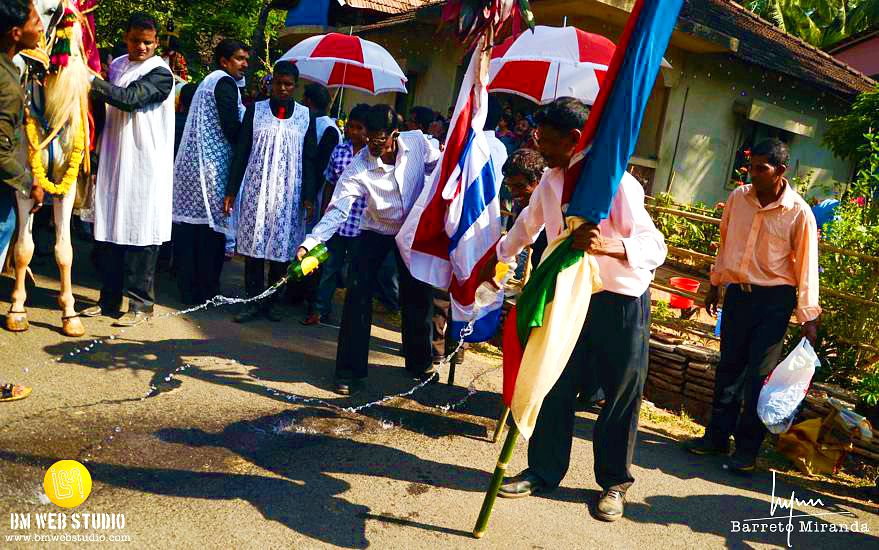
After the service, the kings descend from the chapel in a lively procession that winds through the villages. The riders pause along the way for blessings and brief halts before eventually reaching St Thomas Church in Cansaulim for a final ceremony. From there, as tradition dictates, they disperse along different routes to their respective villages.
The gesture echoes the Biblical account that tells how the wise men, warned in a dream to avoid King Herod — who sought the life of the newborn Jesus — returned to their homelands by a different path.
As the procession fades into the village lanes and the festive crowds begin to disperse, the celebration quietly marks the close of the Christmas season in Goa. Yet long after the crowns are set aside and the horses led home, the memory lingers: three young kings riding through sunlit villages, keeping alive a story that has travelled across centuries to find a home on a hill in Cuelim.
Photos by Lynn Barreto Miranda / lynn.barretomiranda.com
Clicked on 6th January 2013.

Scan the code for directions.

website designed by lynn
goa / ph: 9822151419