
Three Heads and a Flame: The Mystery of Shisharanni
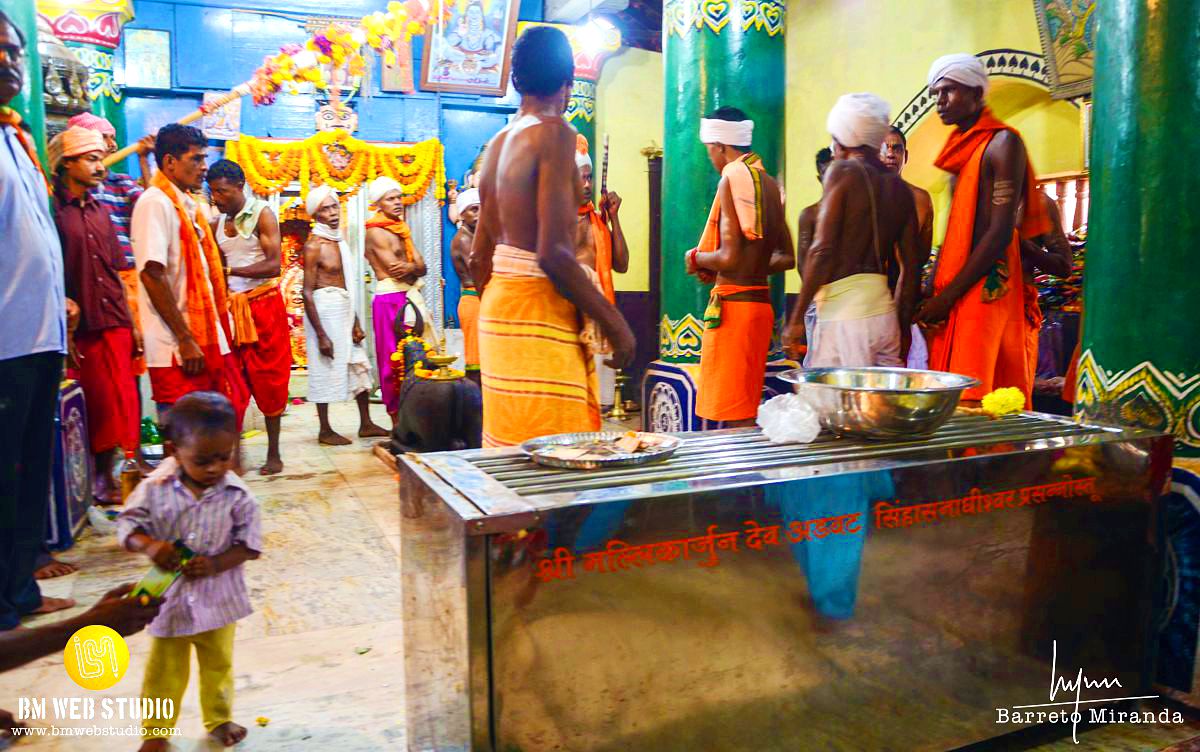
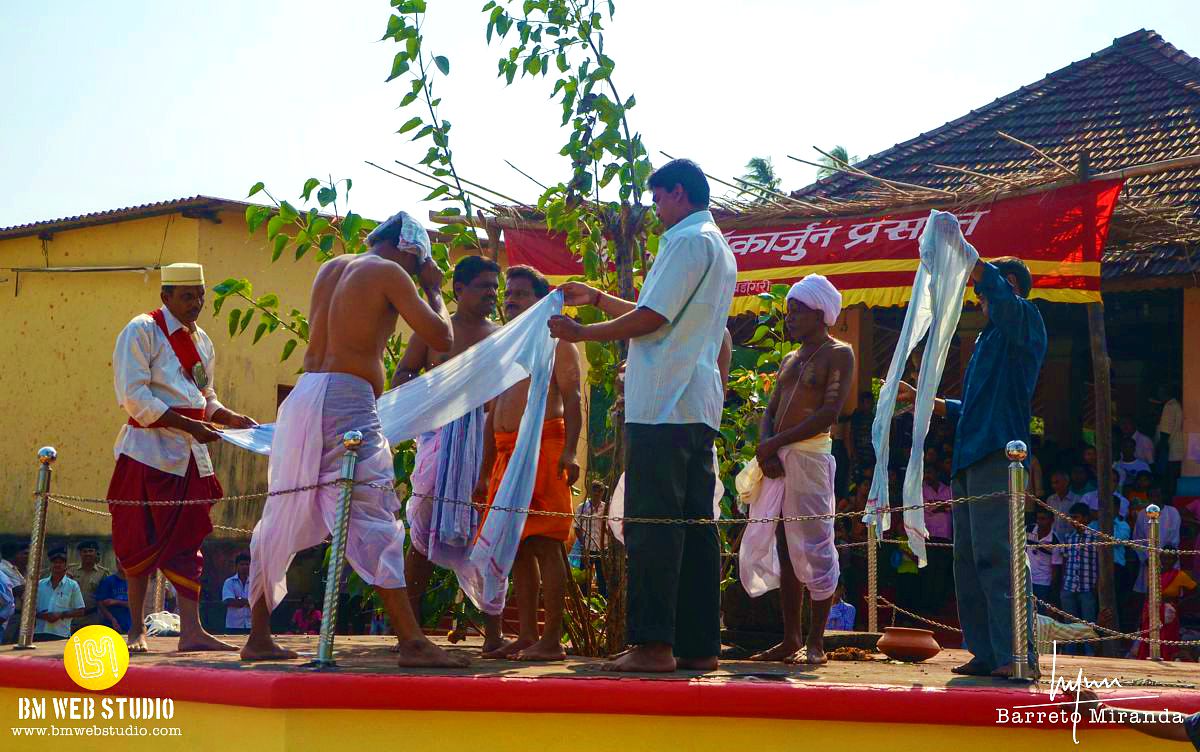





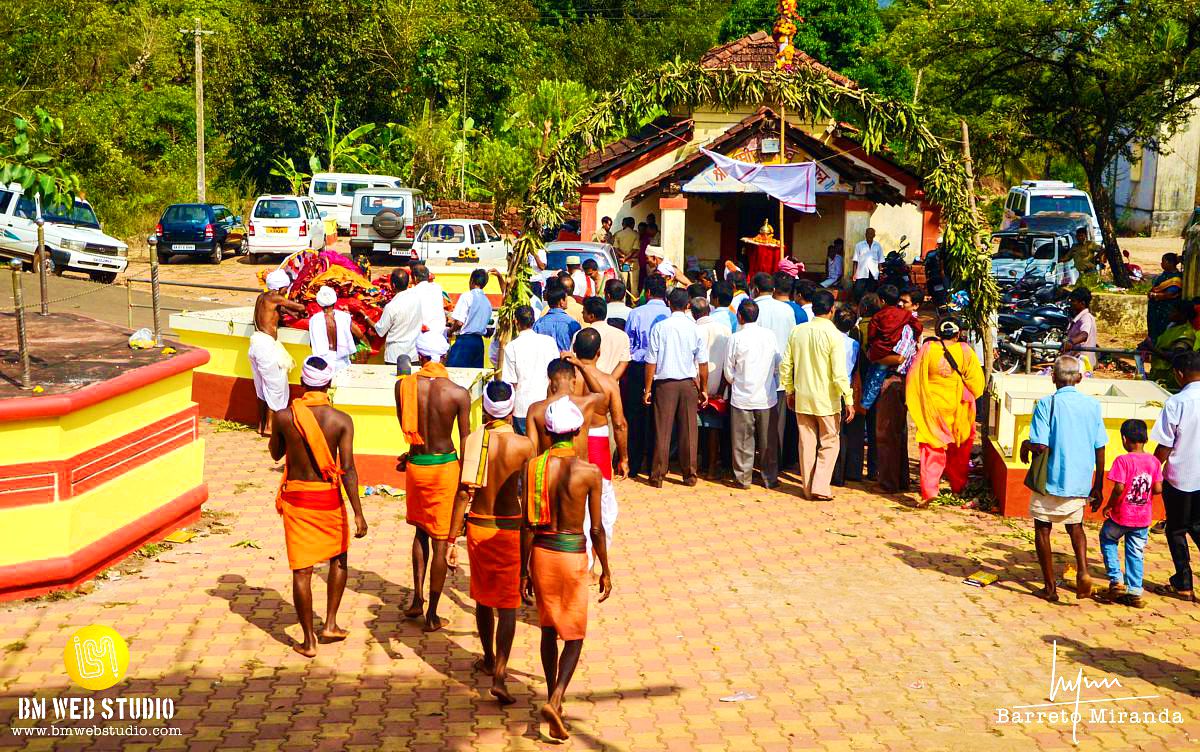
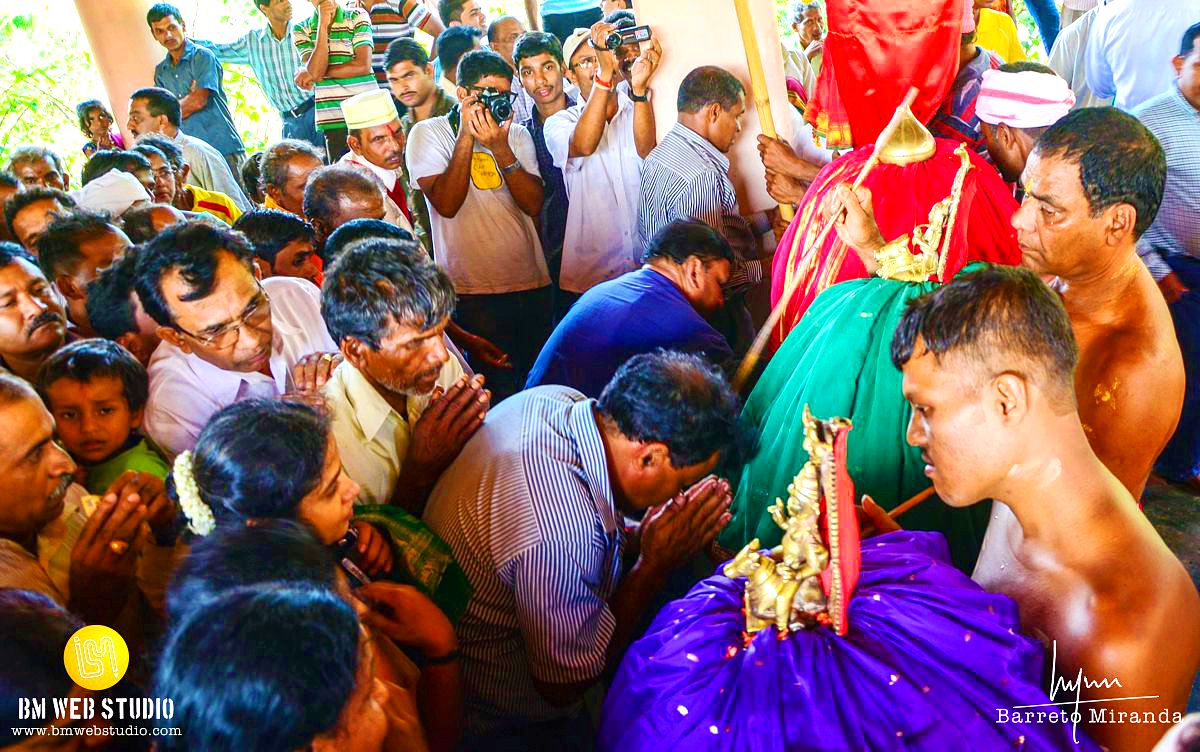
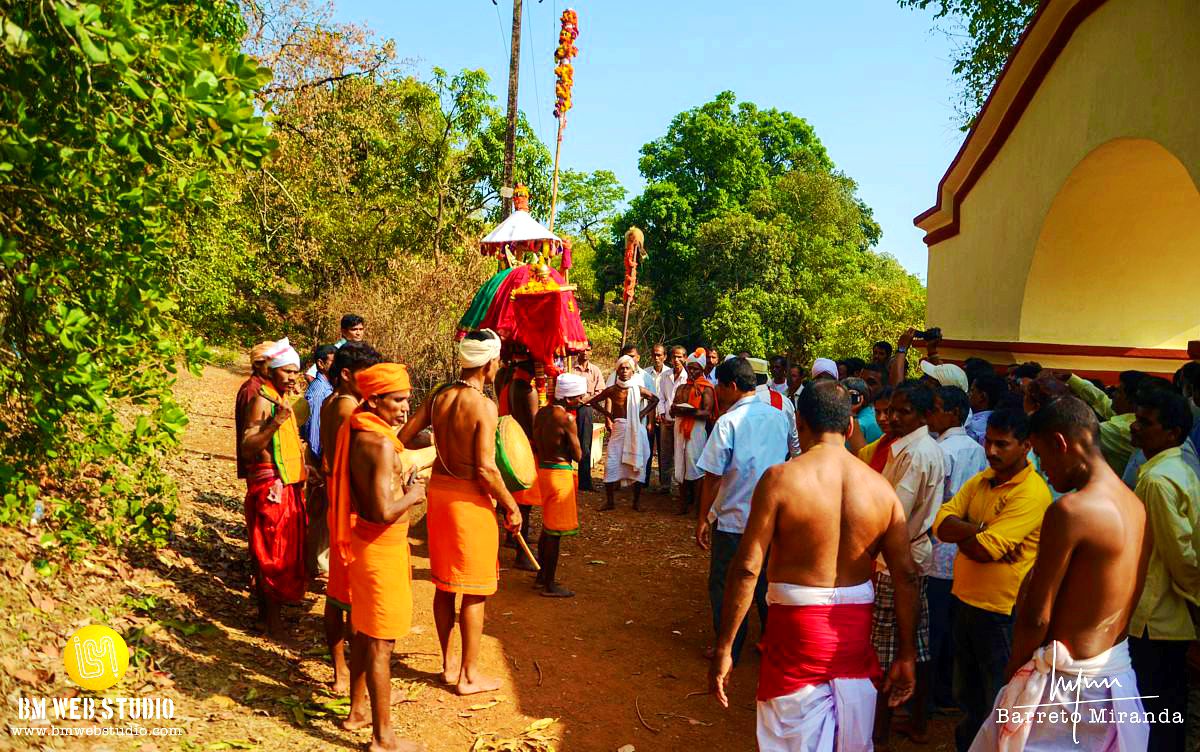
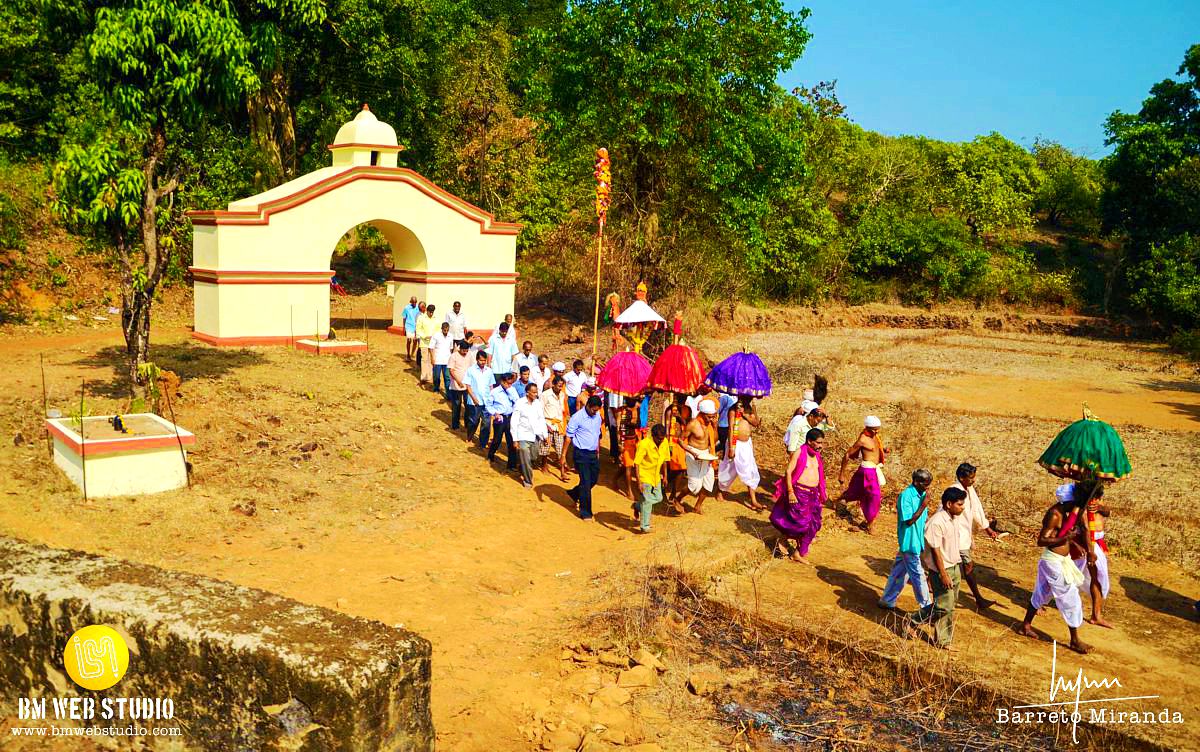

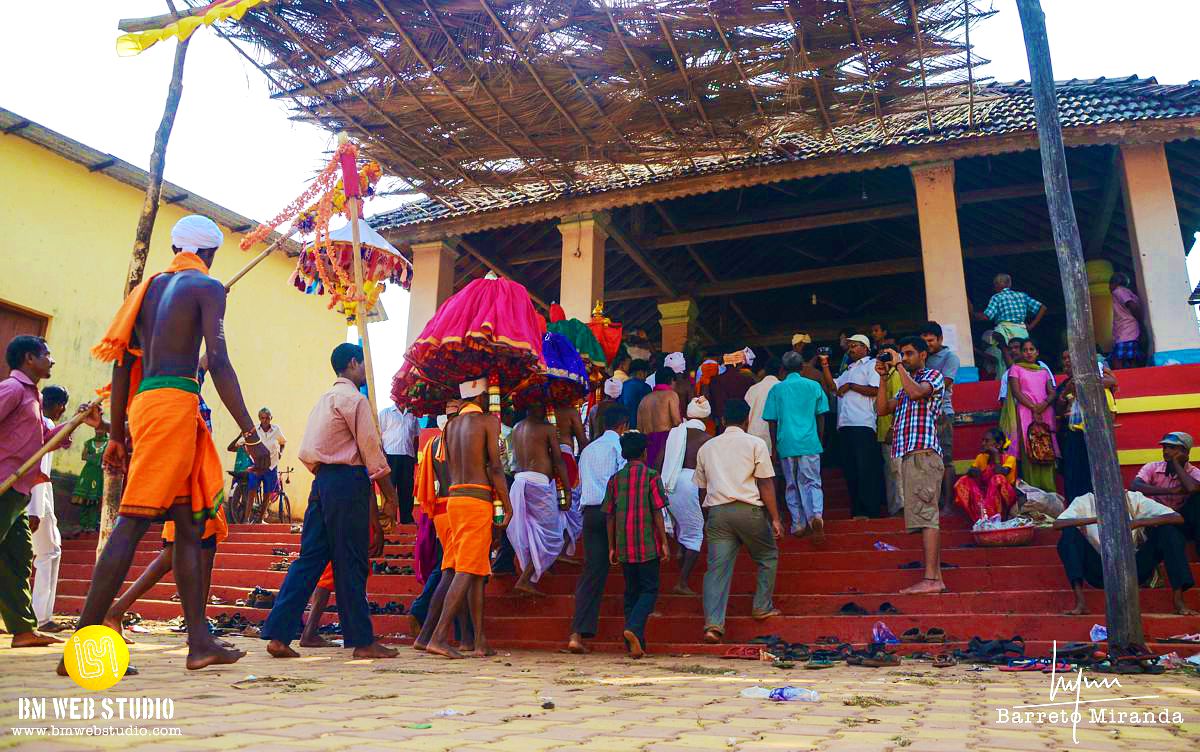
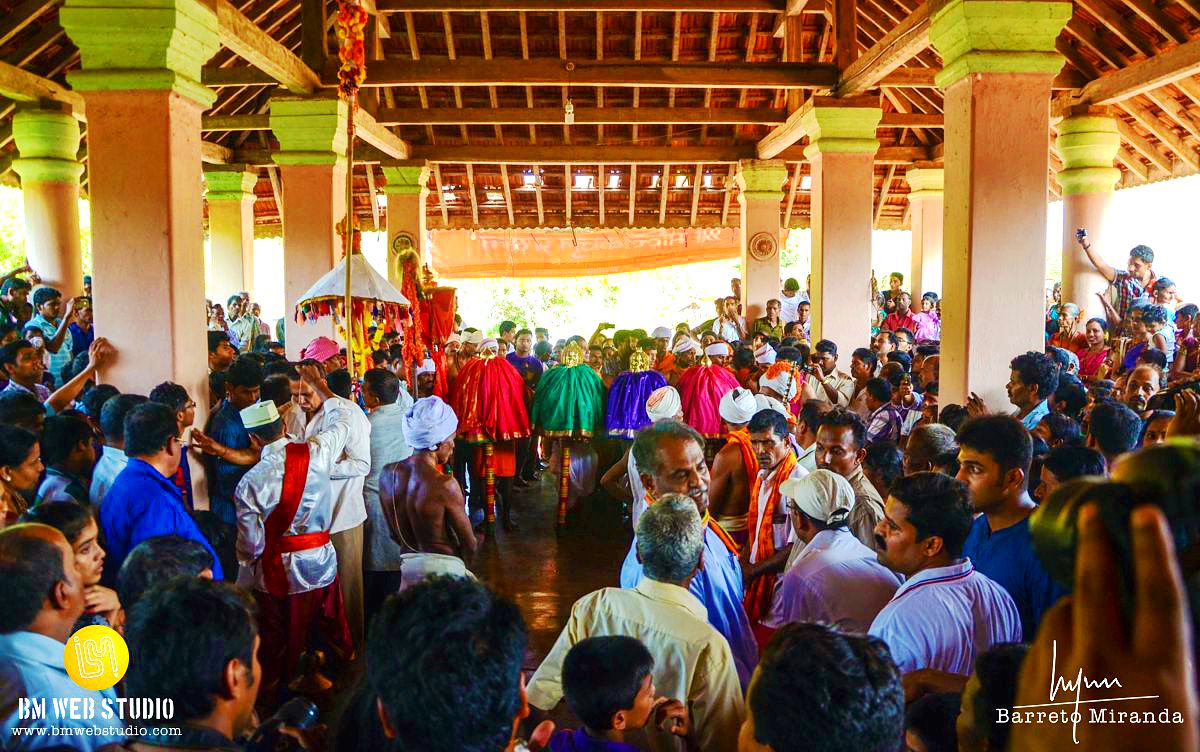
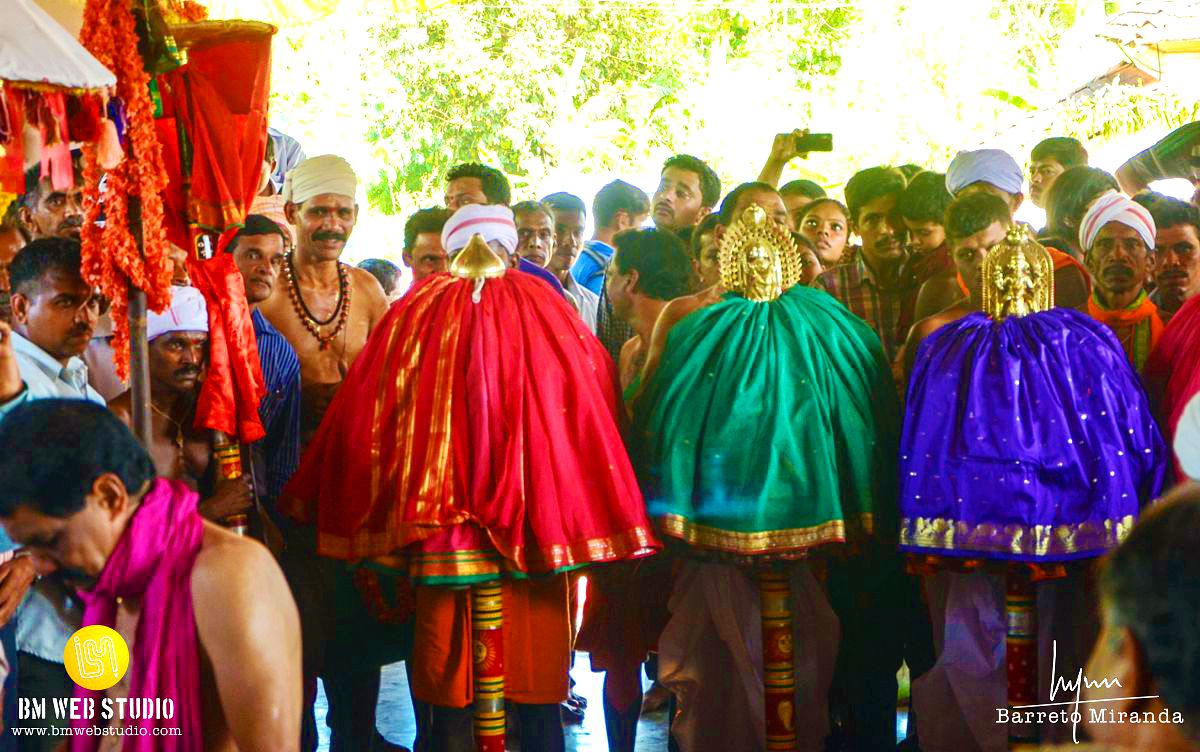
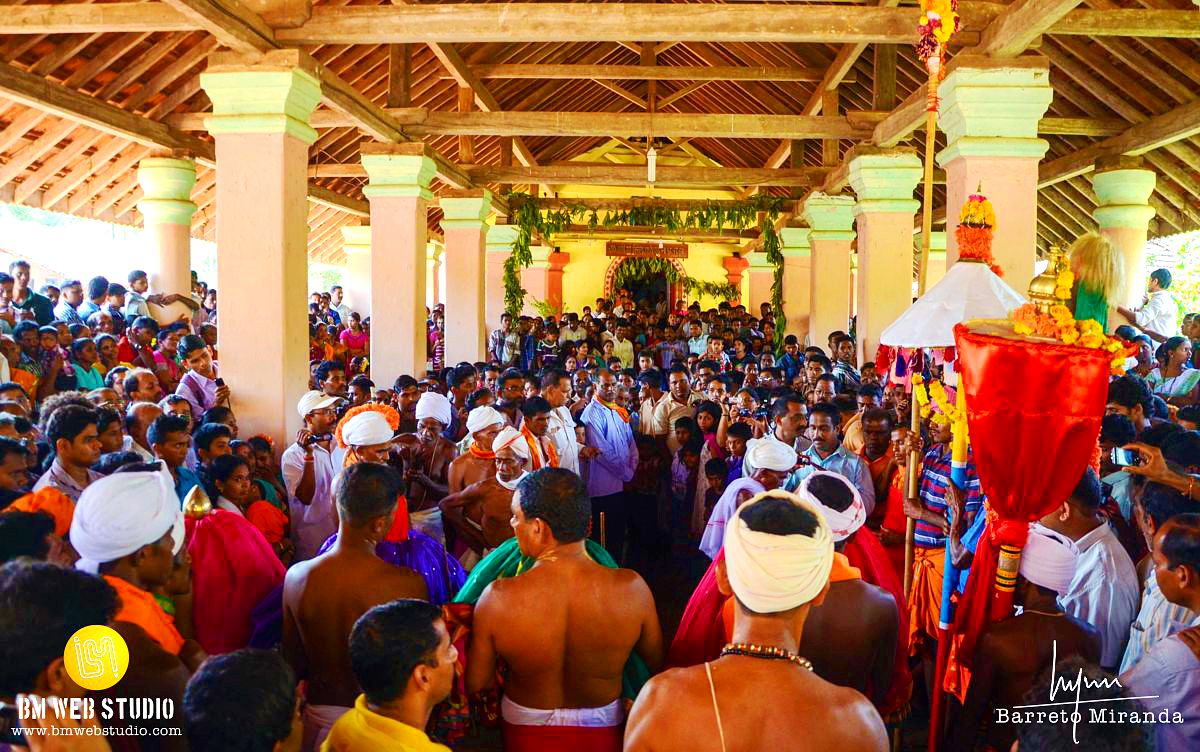
Deep within the forested folds of Canacona, where the Western Ghats soften into quiet clearings and ancient pathways, stands the Mallikarjun Temple—a place where ritual, memory, and belief converge with striking intensity. Every third year, during the vibrant season of Shigmo, this otherwise serene temple becomes the setting for one of Goa’s most enigmatic and visceral traditions: Shisharanni.
The word itself is rooted in the land—shisha, referring to a local tree, and ranni, a traditional cooking hearth. But what unfolds here is far removed from the familiar rhythms of domestic life. Shisharanni is, at its core, an act of devotion—an offering to Mallikarjun, locally revered as Malkajan—where the human body becomes both symbol and medium of faith.
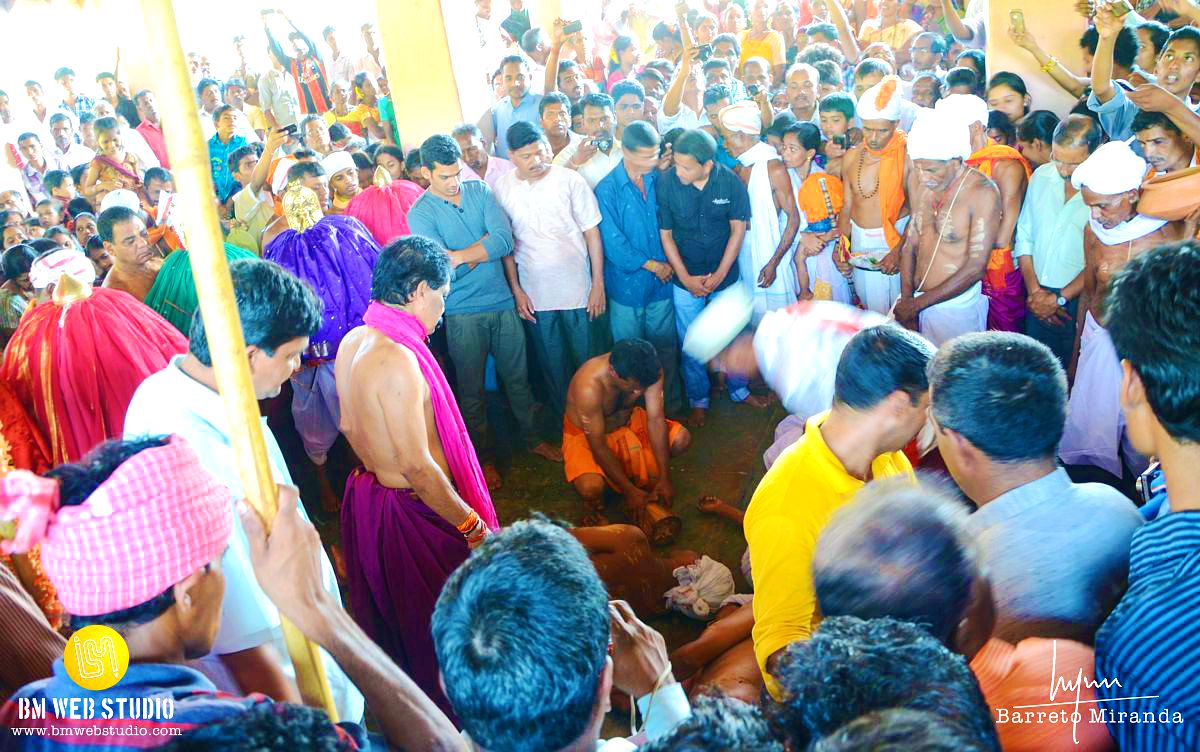
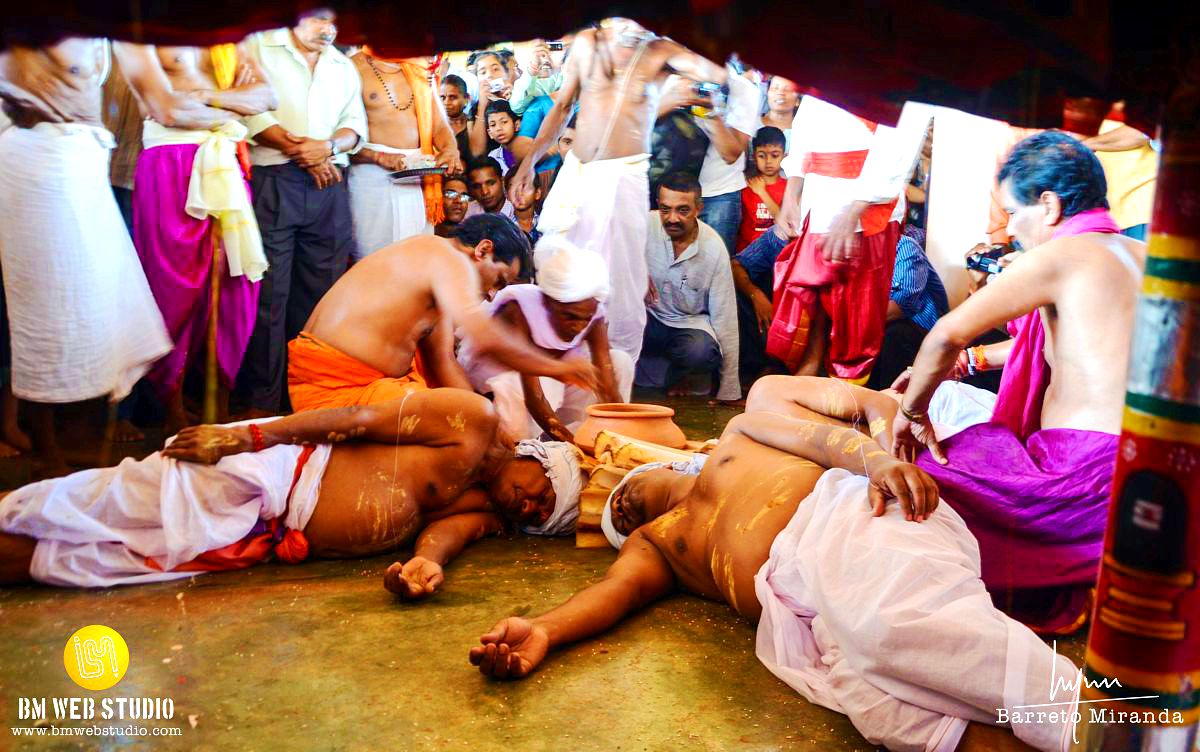
At the centre of the ritual are three chosen men, known as gades. For a brief, sacred interval, they are believed to embody the divine. Their preparation is meticulous: heads wrapped in wet cloth, layered with sections of plantain trunk, they are guided into a trance-like state amid the rising cadence of drums and folk instruments. Around them, the air thickens—with incense, anticipation, and something older than both.
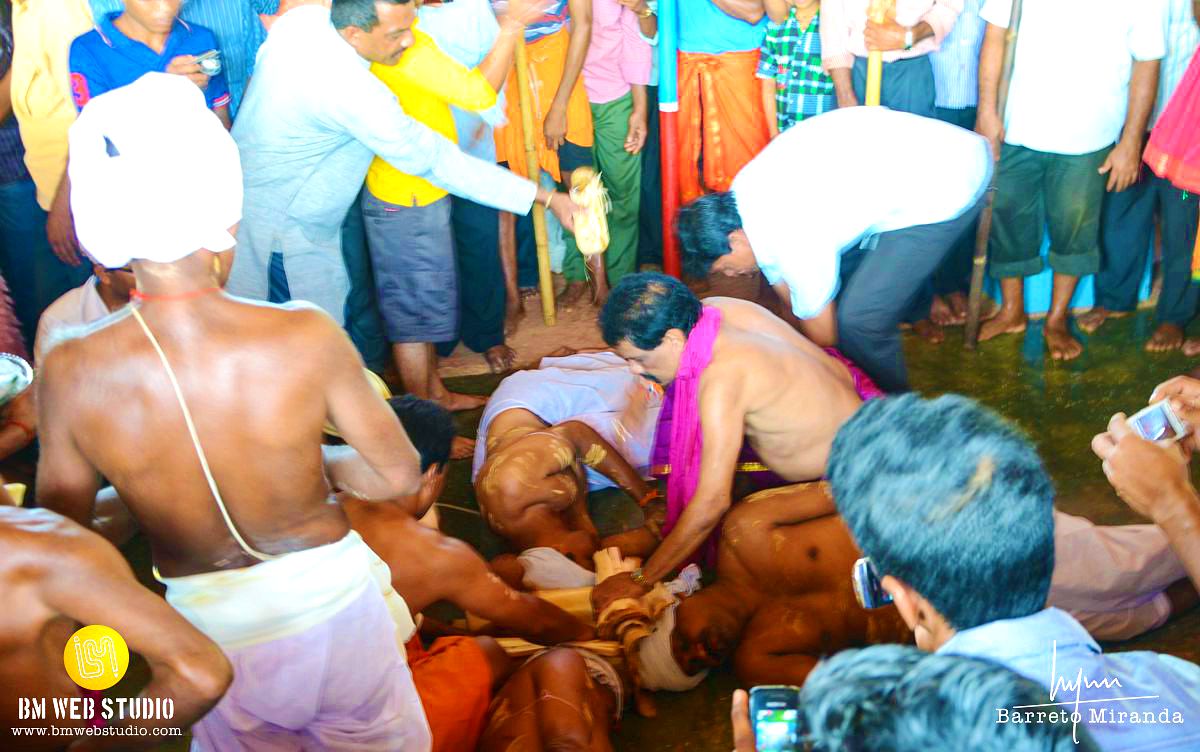
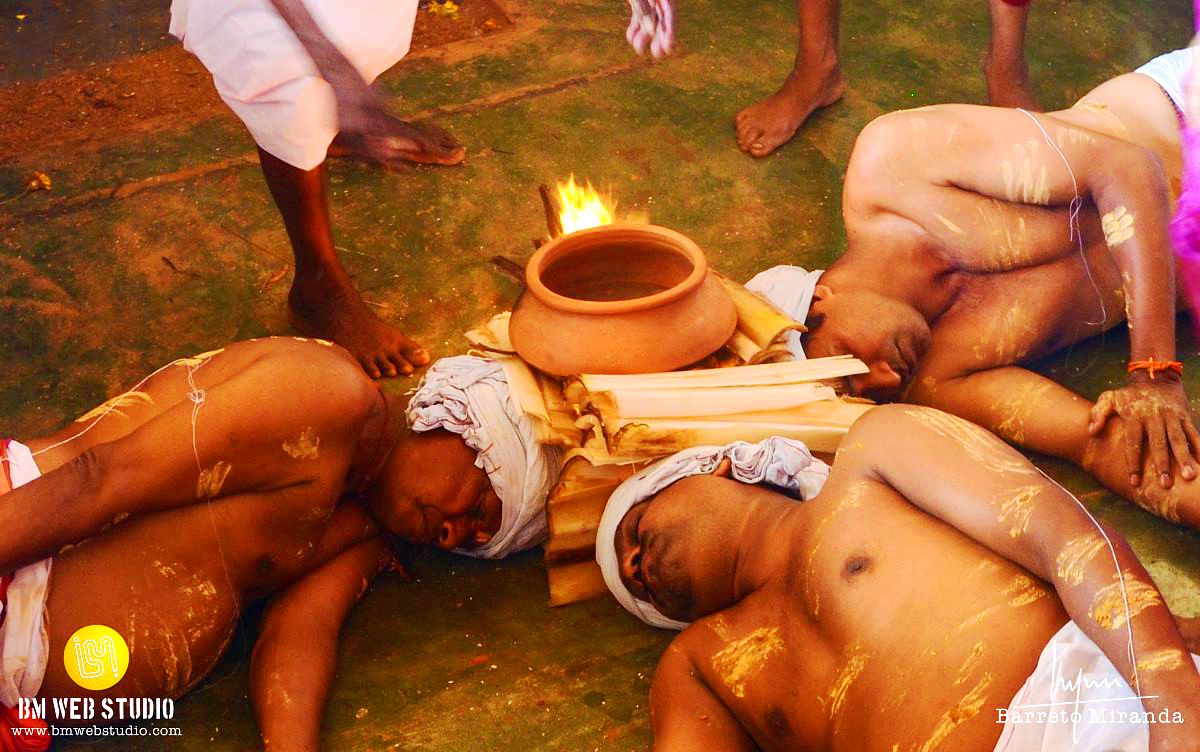
As the ritual begins, the three gades lie down with their heads drawn together, forming the base of a symbolic stove. Their bodies, still and surrendered, become the foundation upon which the act unfolds. In a gesture that marks divine possession, a ritual specialist pierces their skin with a needle and thread—an act believed not to harm, but to sanctify. Unconscious to the physical world, the gades are now vessels of a higher protection.
An earthen pot is then placed above their heads, balanced with care. Beneath it, branches of the shisha tree are lit, the fire crackling into life. Rice is cooked slowly over this human hearth—an image at once unsettling and deeply symbolic. The flames lick close, yet the gades remain untouched, shielded, as locals believe, by the grace of the deity they serve.
But Shisharanni does not end with fire.
In a final, dramatic act, a ritual officiant uses a sword to make a small incision on the crown of a participant’s head. A drop of blood—an offering of life itself—is then added to the cooked rice. In that instant, the ritual shifts from spectacle to sacrifice, binding earth, body, and spirit into a single, profound gesture of surrender.
When the rice is ready, it is scattered towards the gathered crowd. Yet, rather than receiving it as prasad, people instinctively step back. Food prepared in this manner, infused with sacrificial blood, is not meant for consumption—it is a reminder of the boundaries between reverence and fear, blessing and taboo.
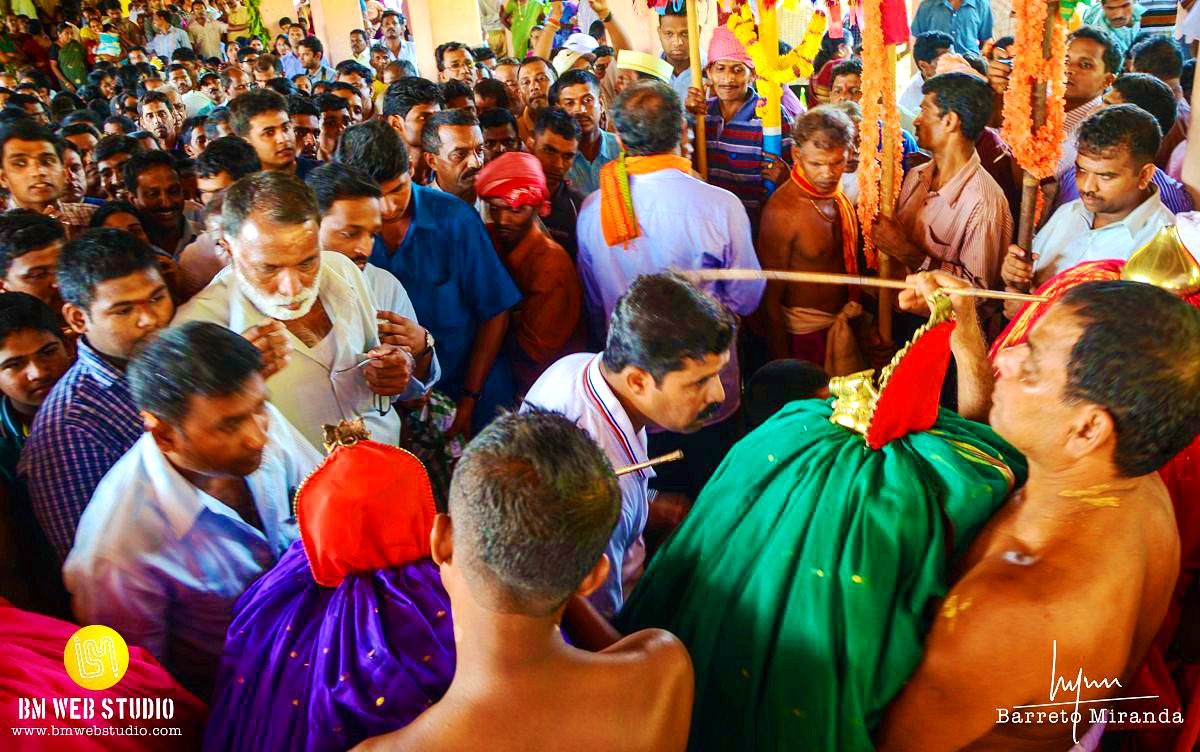
Gaodongrim itself is not a single village, but a constellation of twelve hamlets, each bound to the temple through lineage and tradition. Representatives from every hamlet carry canes that are dipped into sanctified water during the ceremony. This water, later shared among devotees, becomes the gentler counterpart to the ritual’s intensity—a quiet blessing after the storm.
The origins of the temple trace back centuries, with local Habbus communities credited for its construction and a recorded reconstruction in 1778. In the weeks leading up to Shisharanni, temple idols travel across remote settlements along the Goa–Karnataka border, reconnecting scattered communities with their spiritual centre. When they return, they are welcomed with music, dance, and the swirling energy of tarangas—sacred insignia carried by folk performers—as devotees slip into trance, embodying what they believe to be divine presence.
To an outsider, Shisharanni may appear startling, even incomprehensible. But to those who gather here—tribal communities, devotees from Goa and neighbouring Karwar, and the quietly curious—it is an act of continuity. A ritual that has endured not because it is understood, but because it is believed.
And perhaps that is where its power lies.
In Gaodongrim, faith is not always gentle. Sometimes, it burns.
Photos by Lynn Barreto Miranda / lynn.barretomiranda.com
Clicked on 29th March 2013.

Scan the code for directions.

website designed by lynn
goa / ph: 9822151419