
The Walking Saints of Goa Velha: A 400-Year-Old Tradition

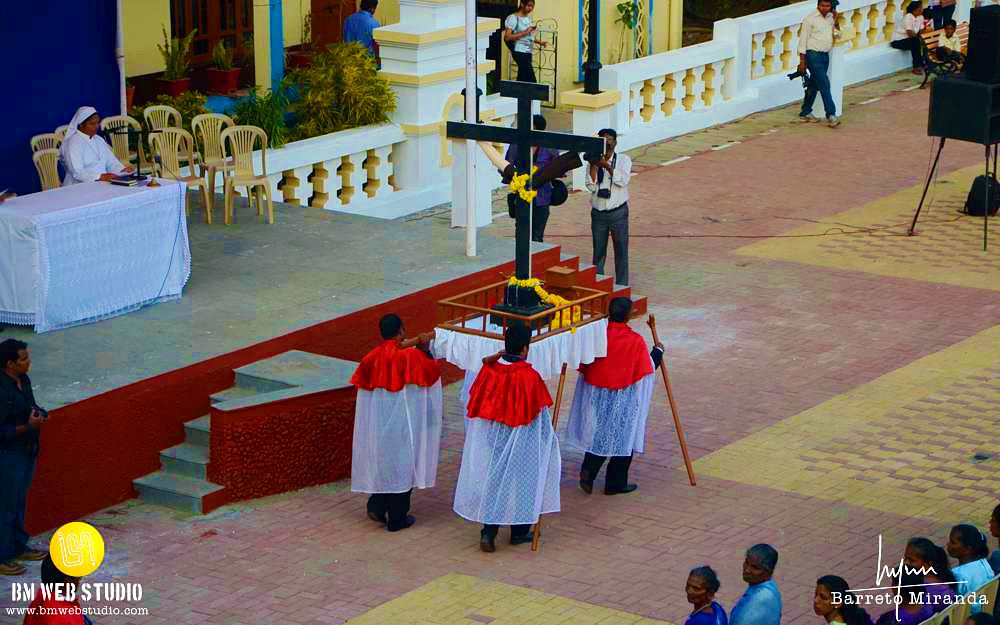
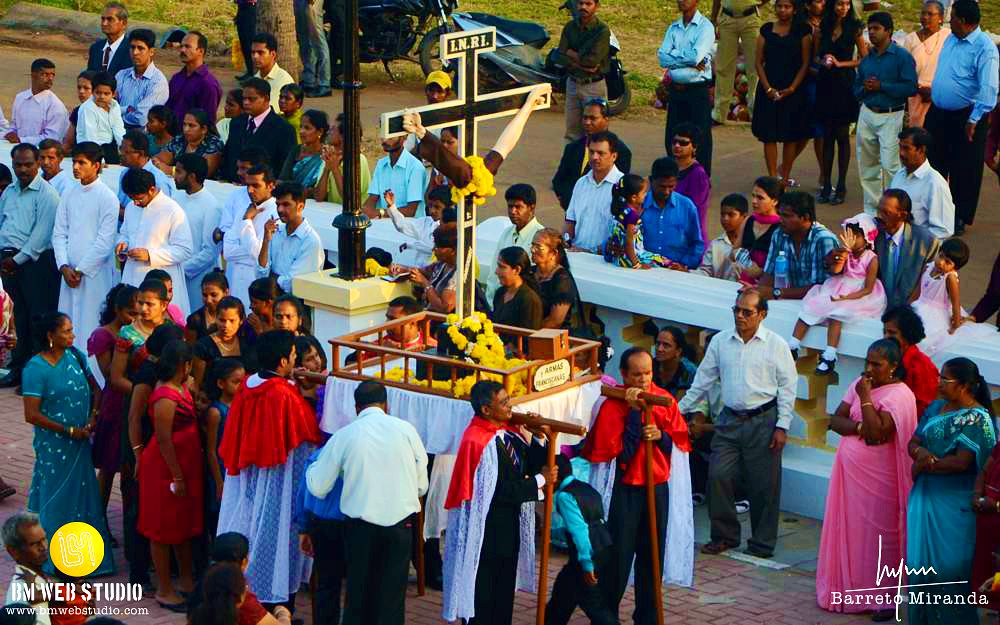
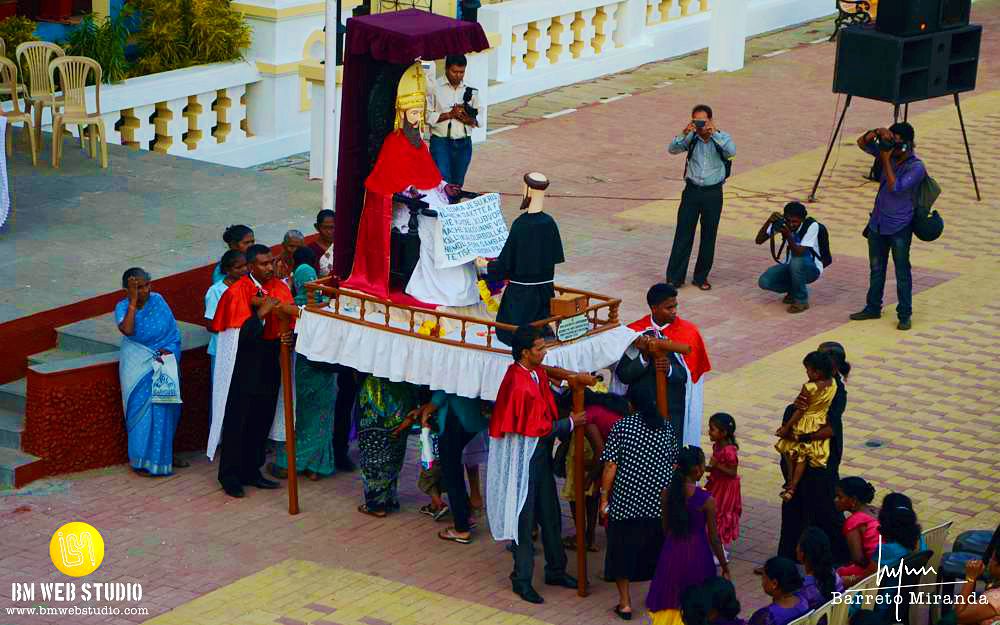
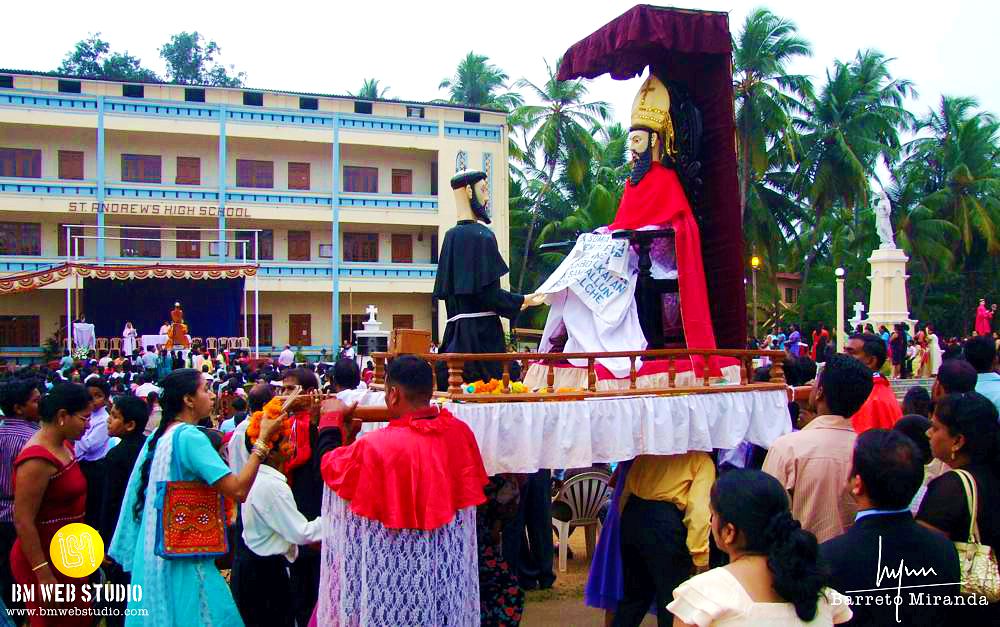
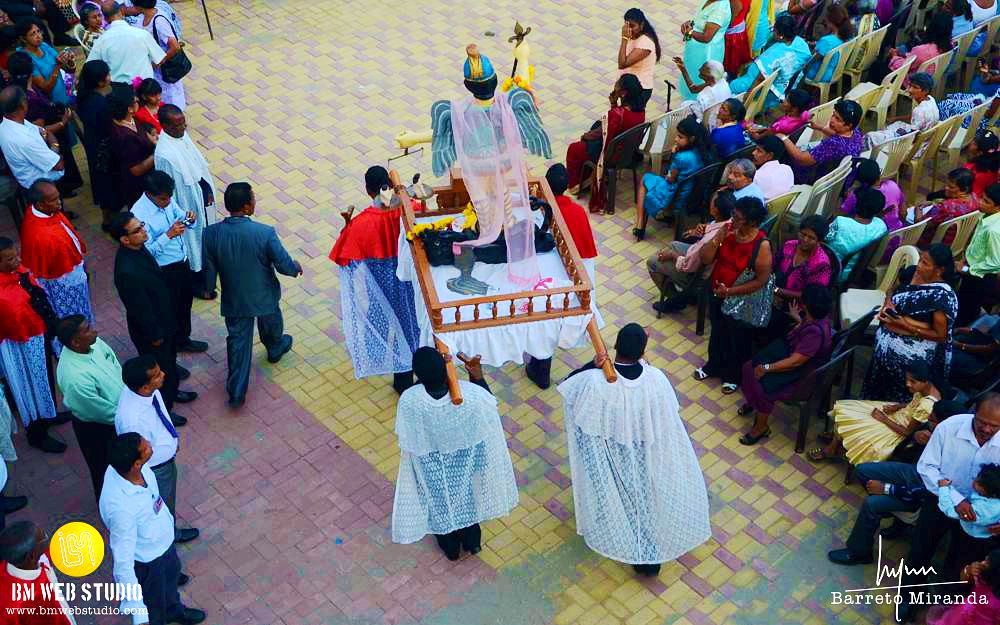
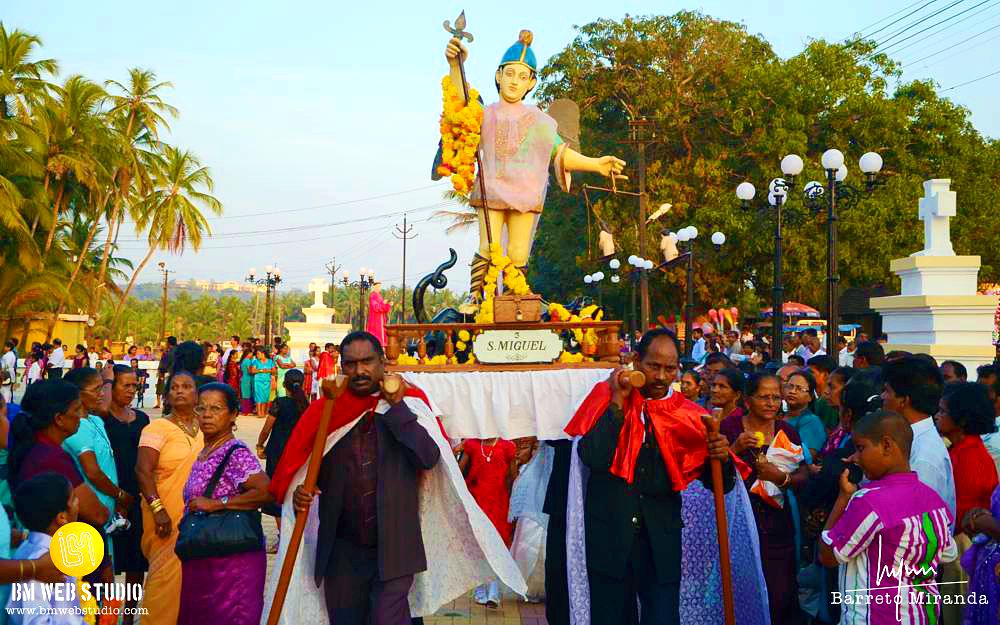
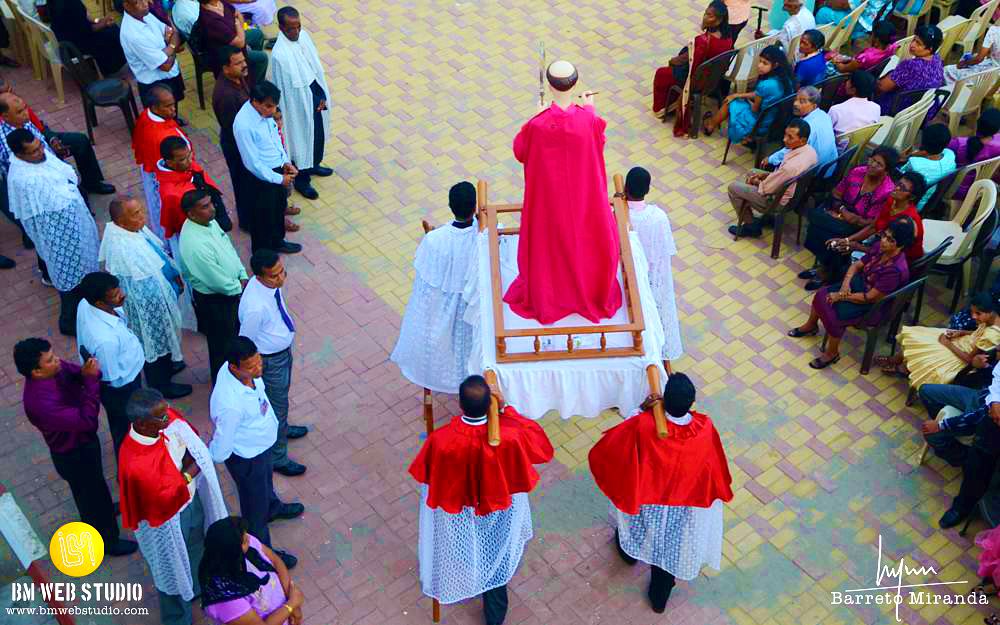
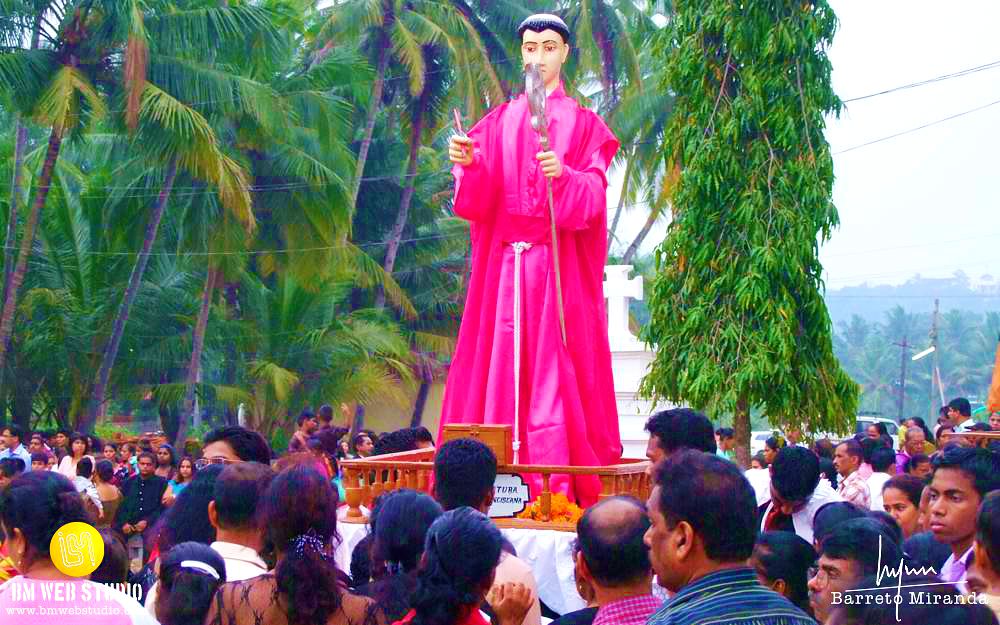
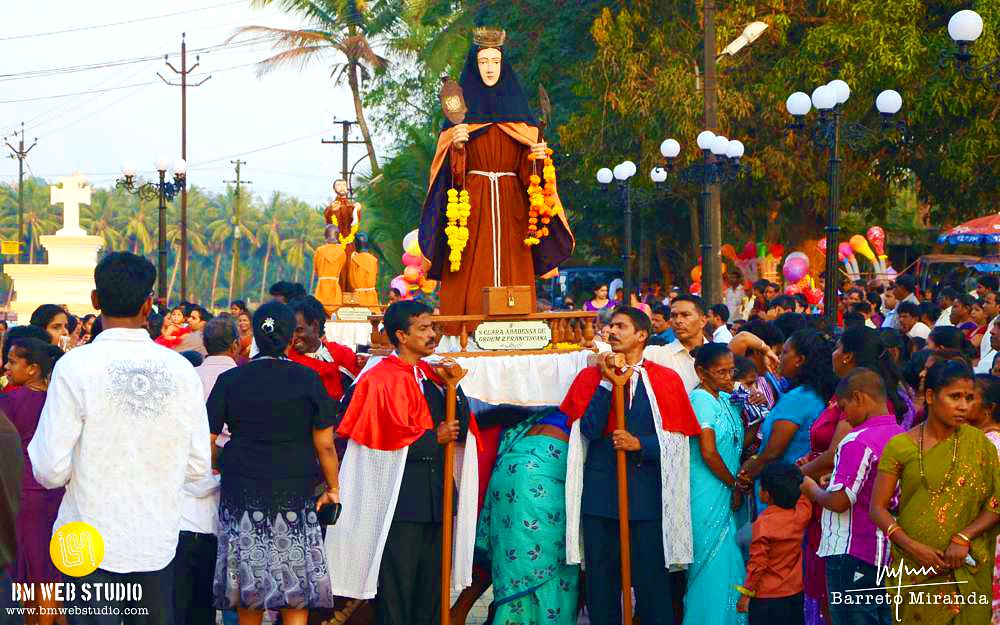
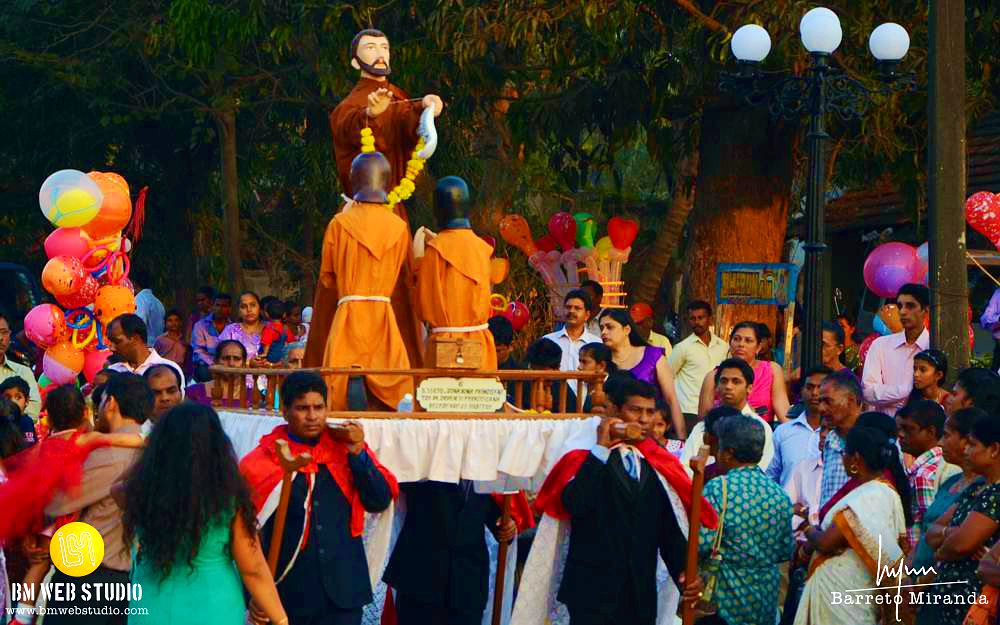


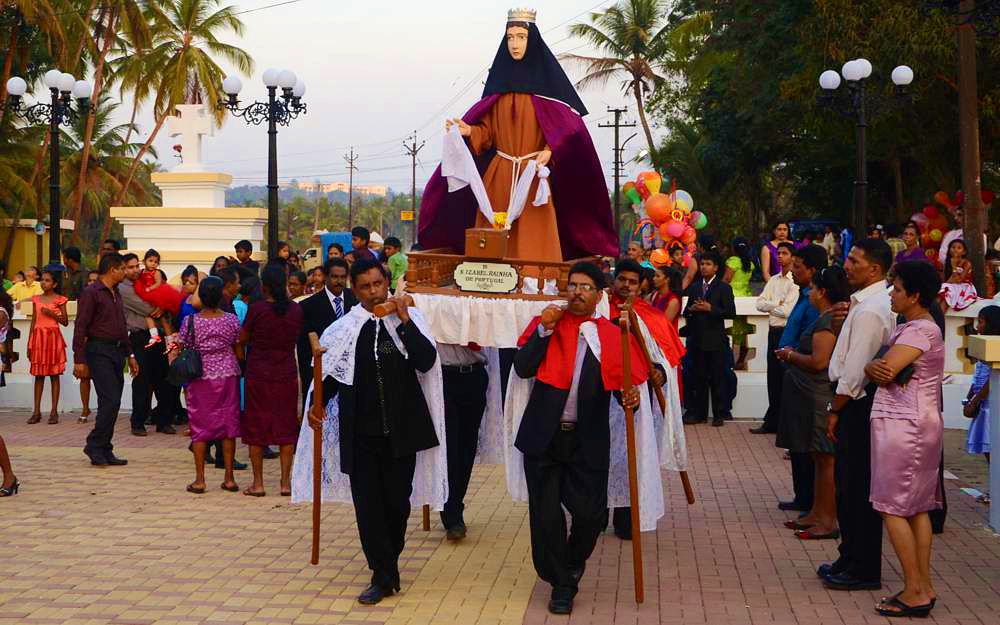

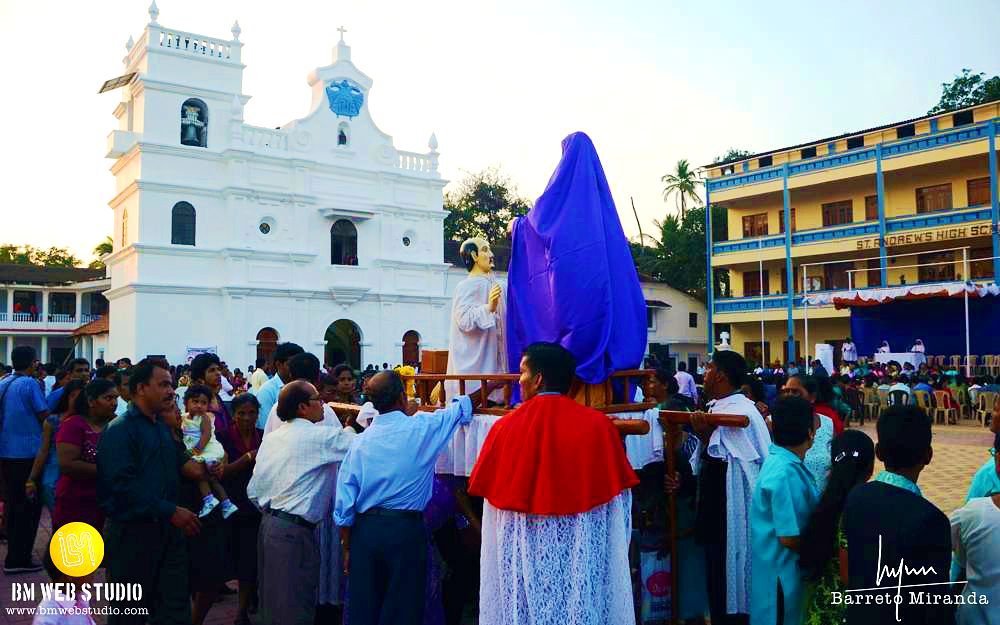
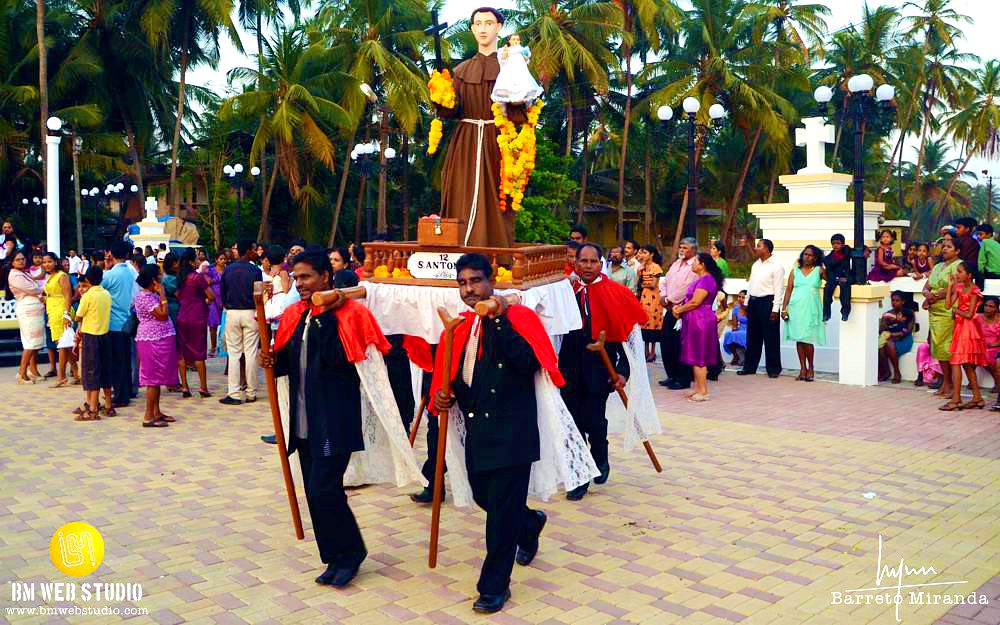
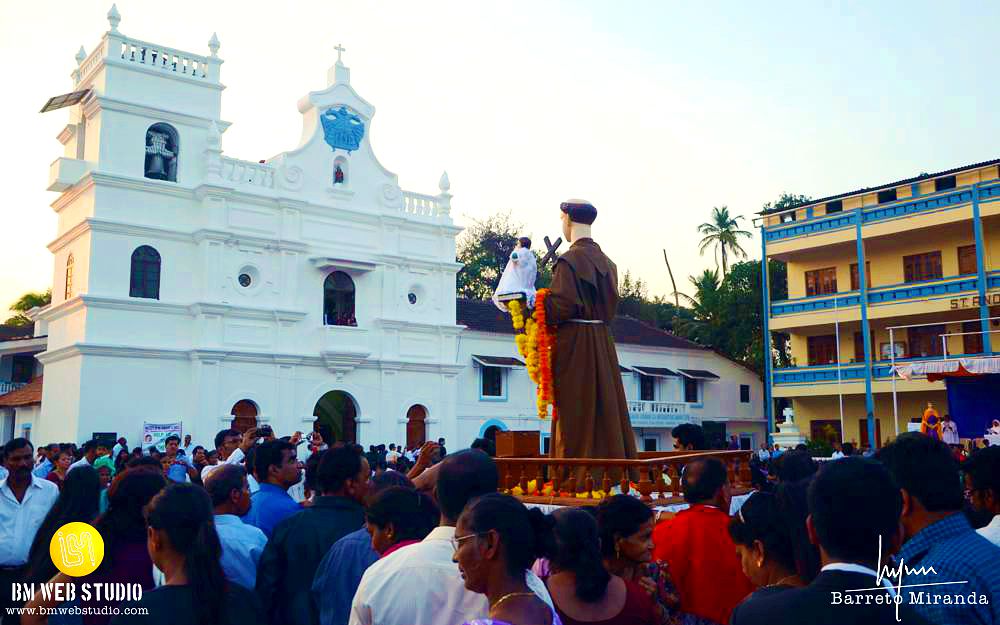

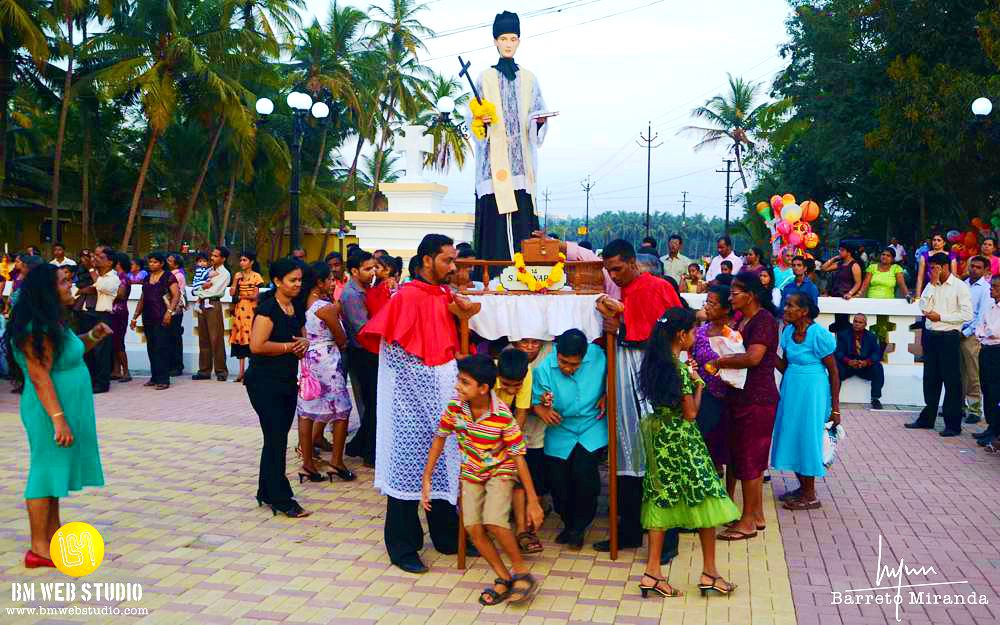
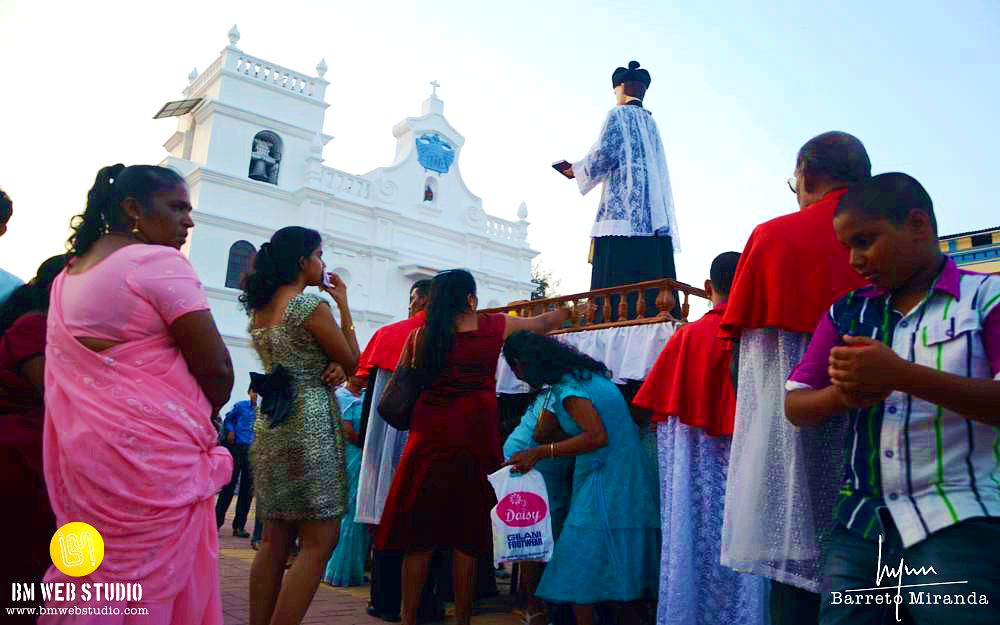
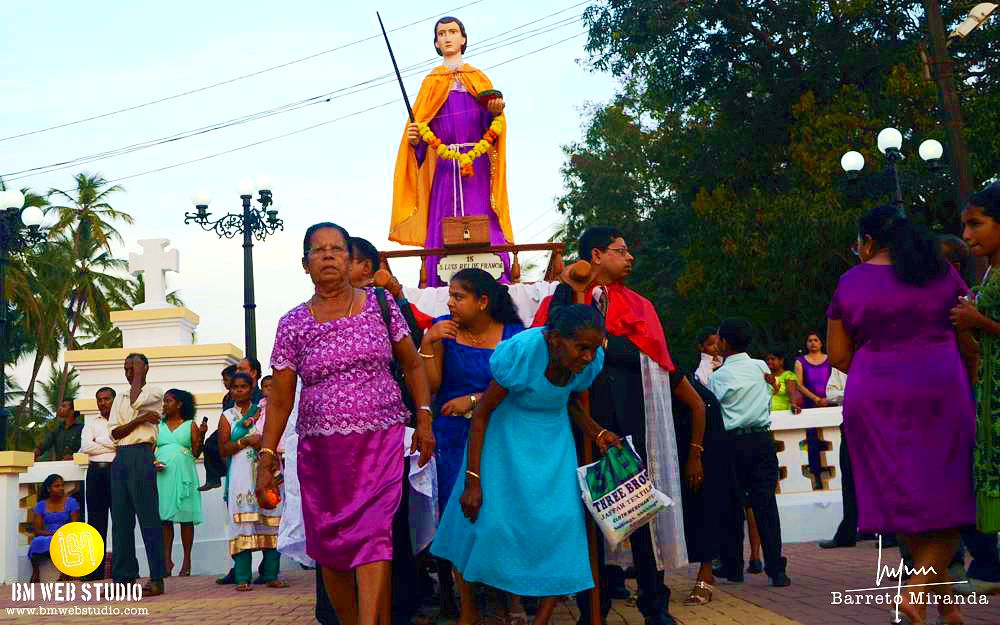
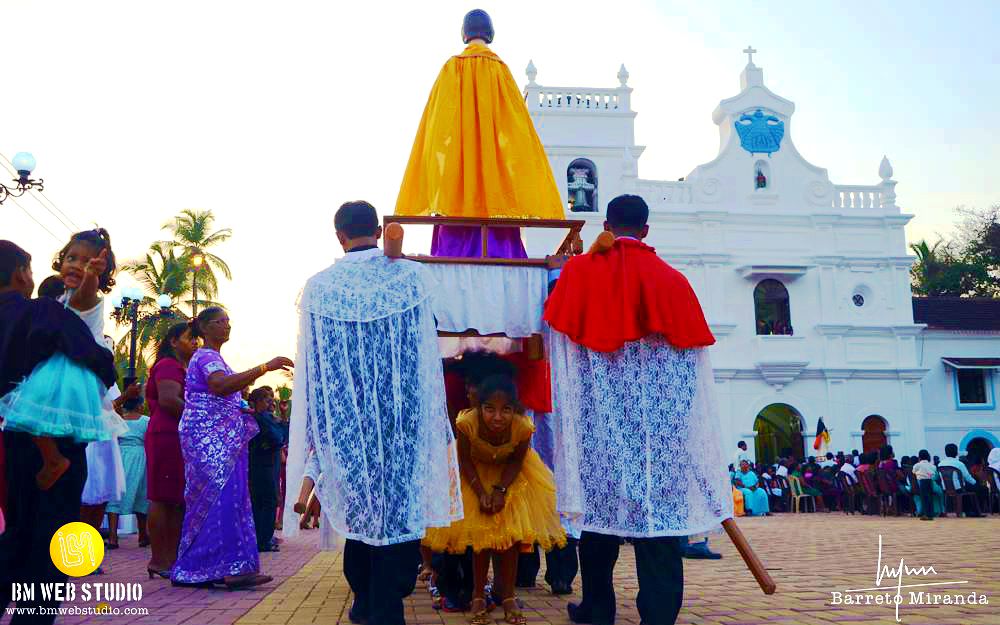

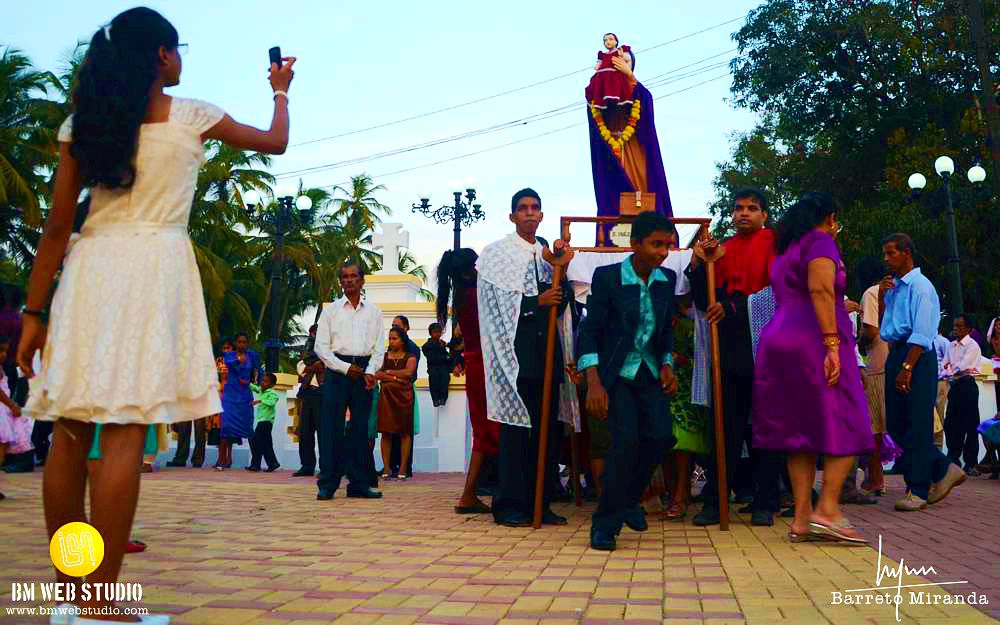
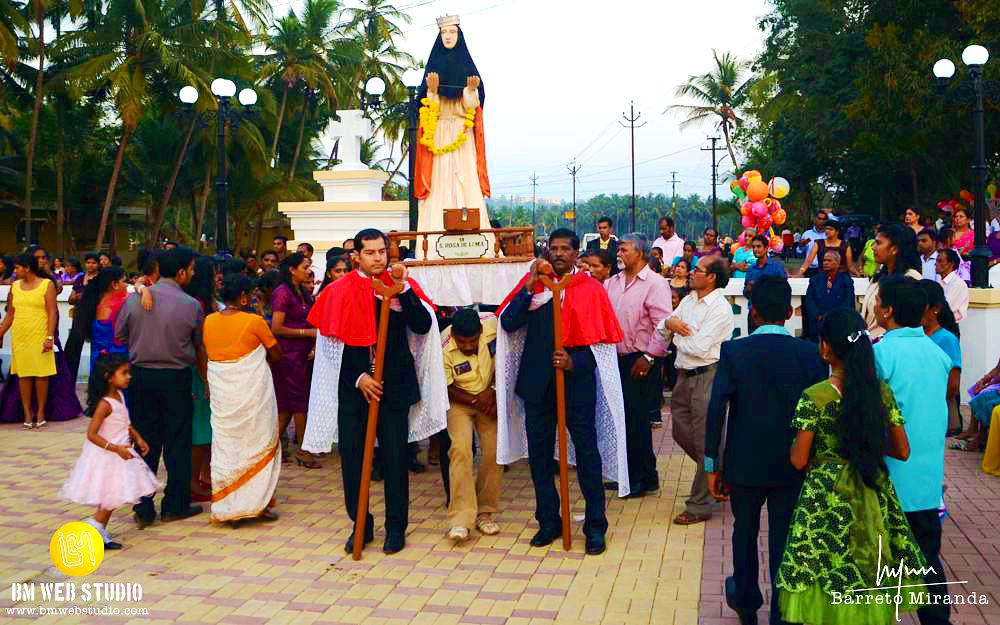
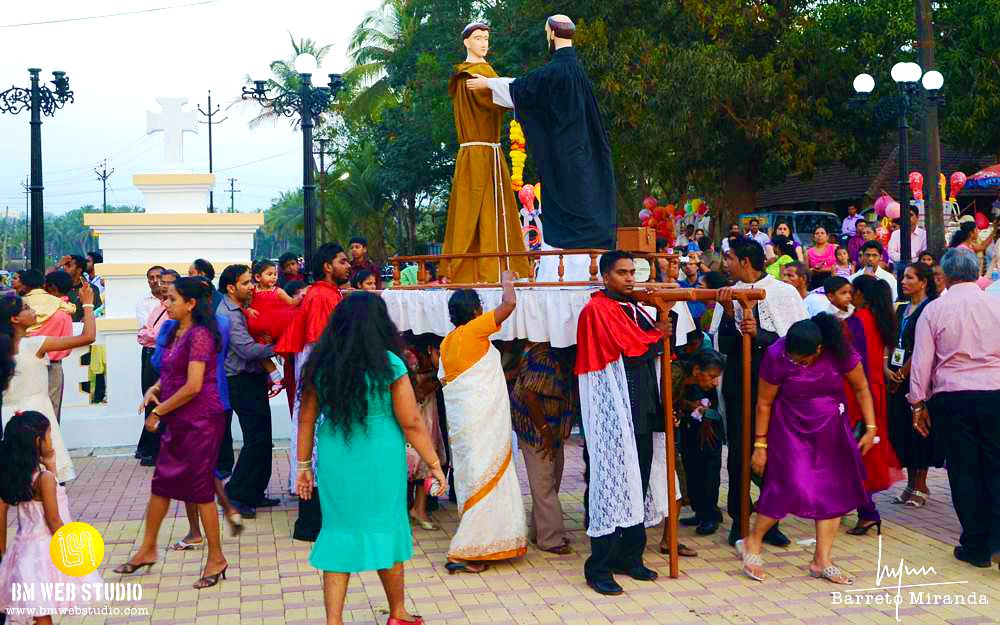
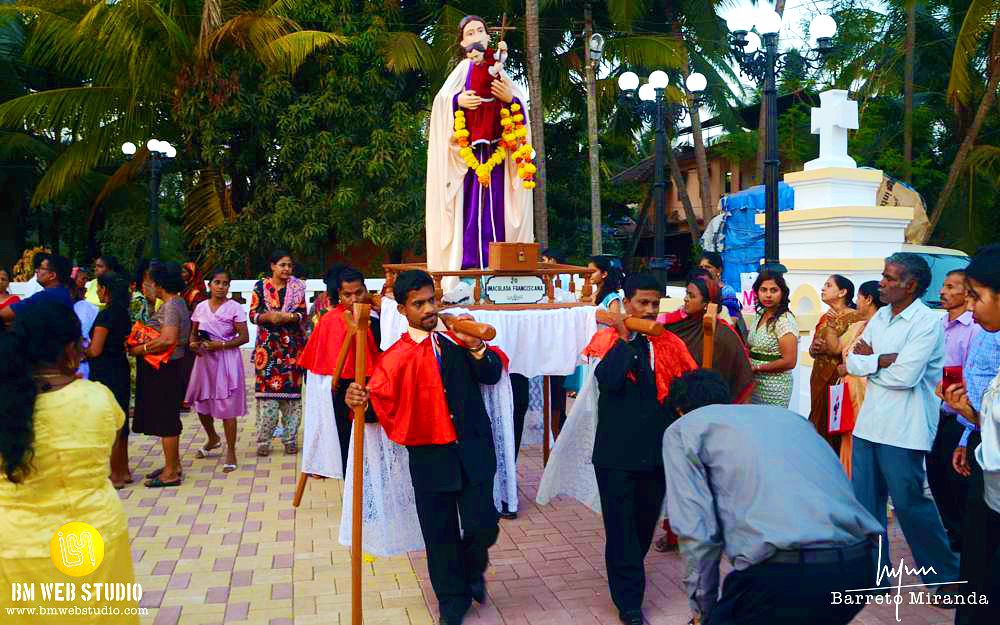
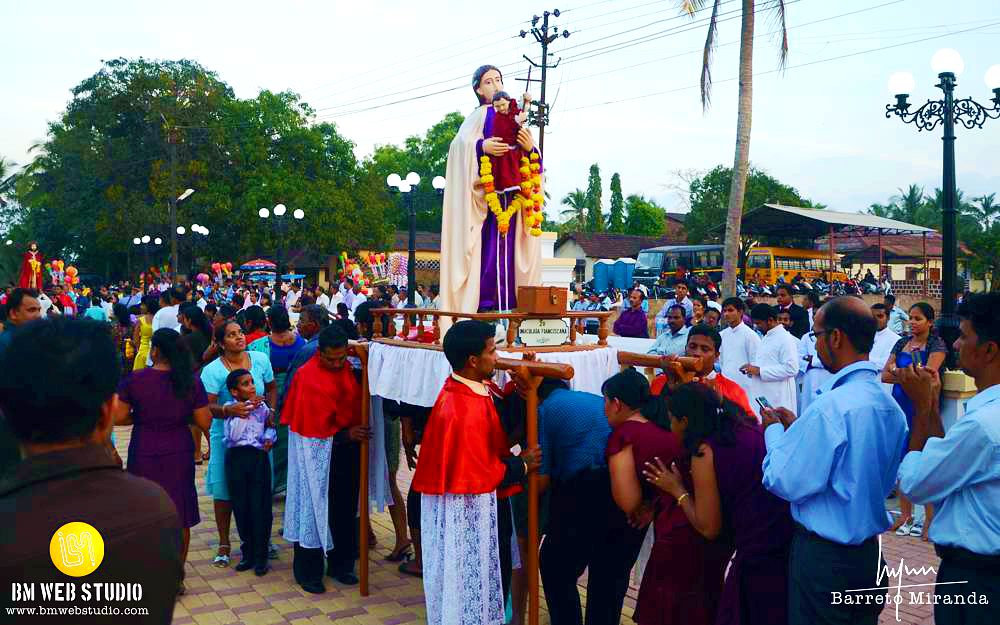
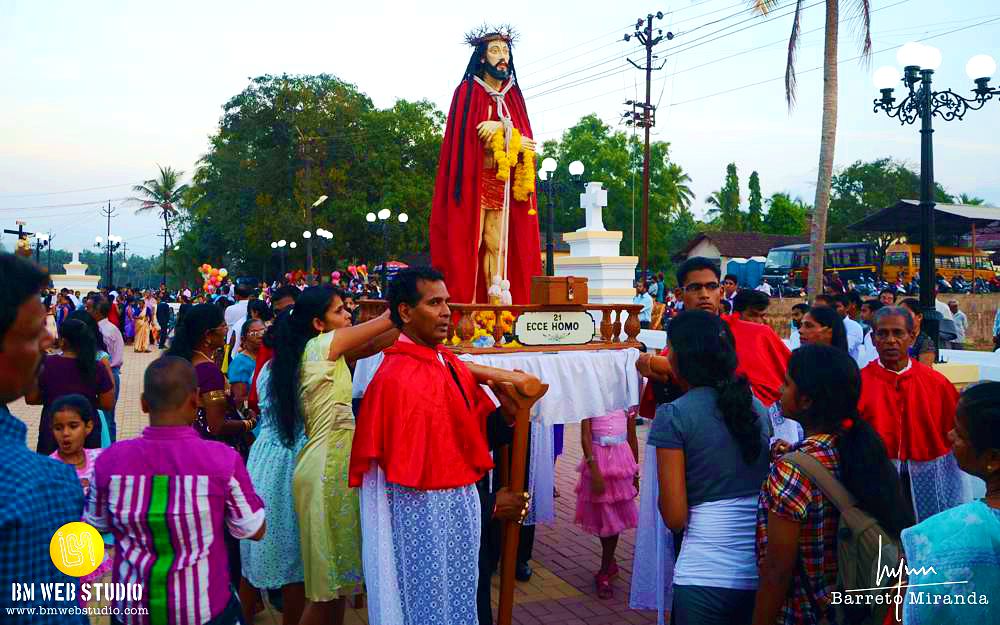

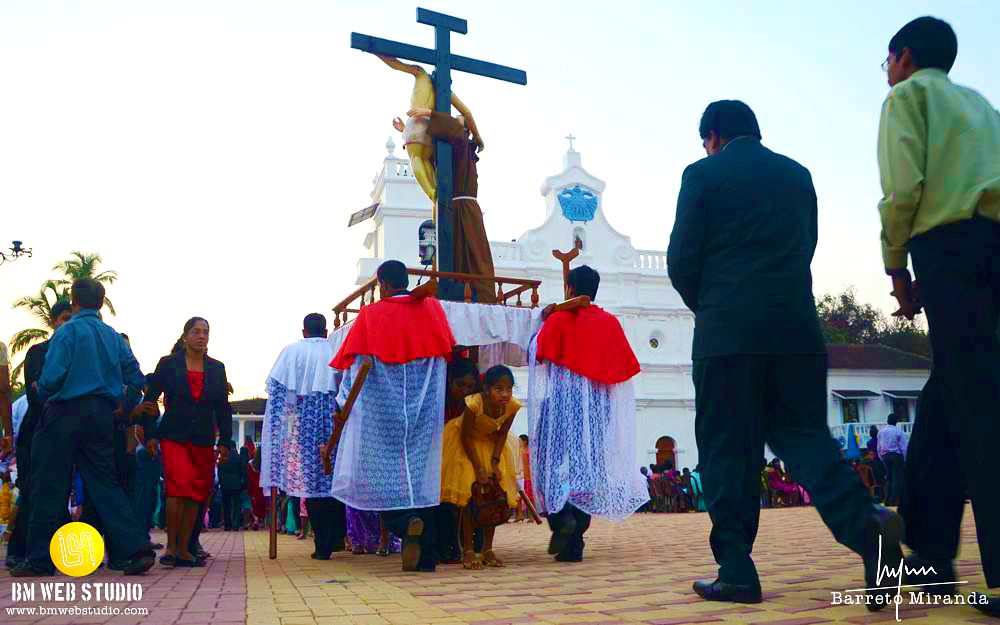
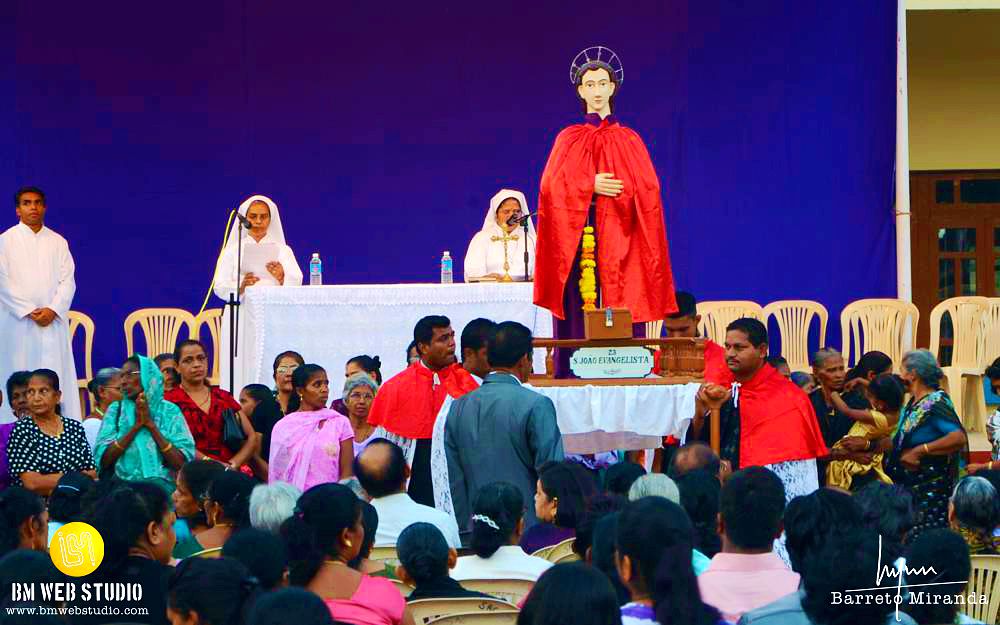
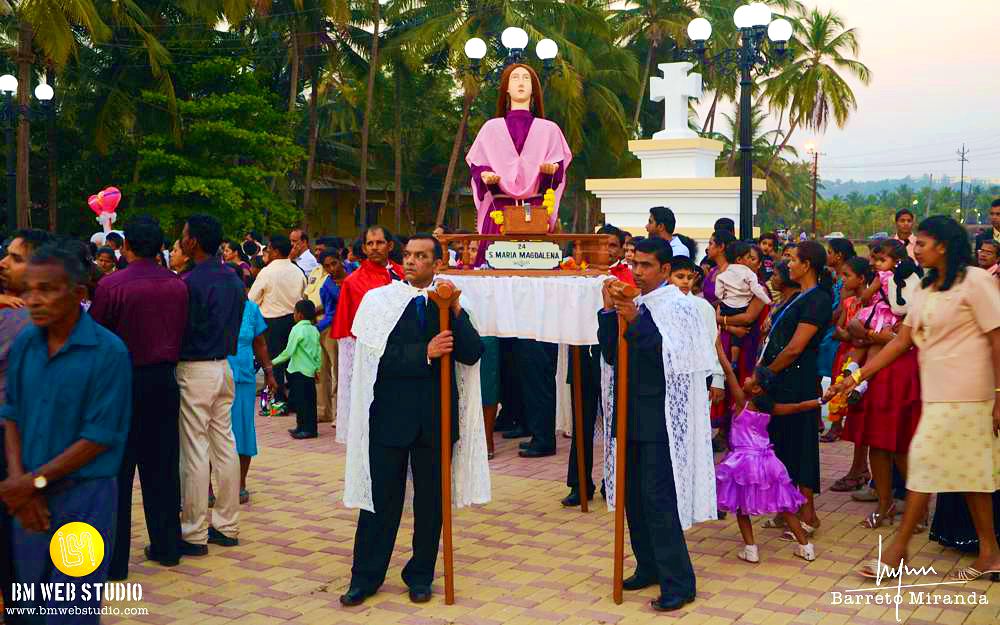
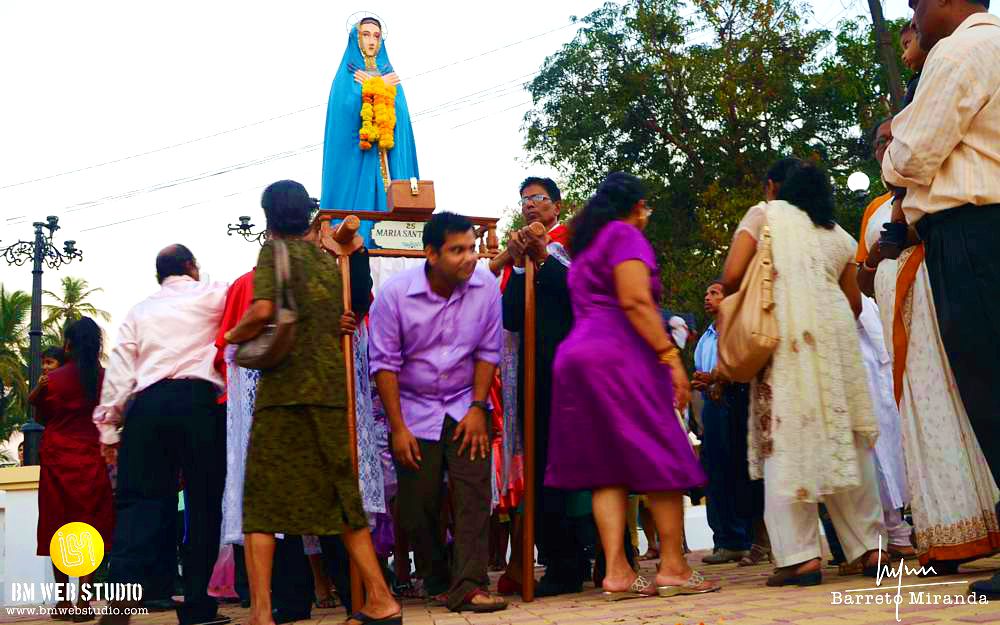

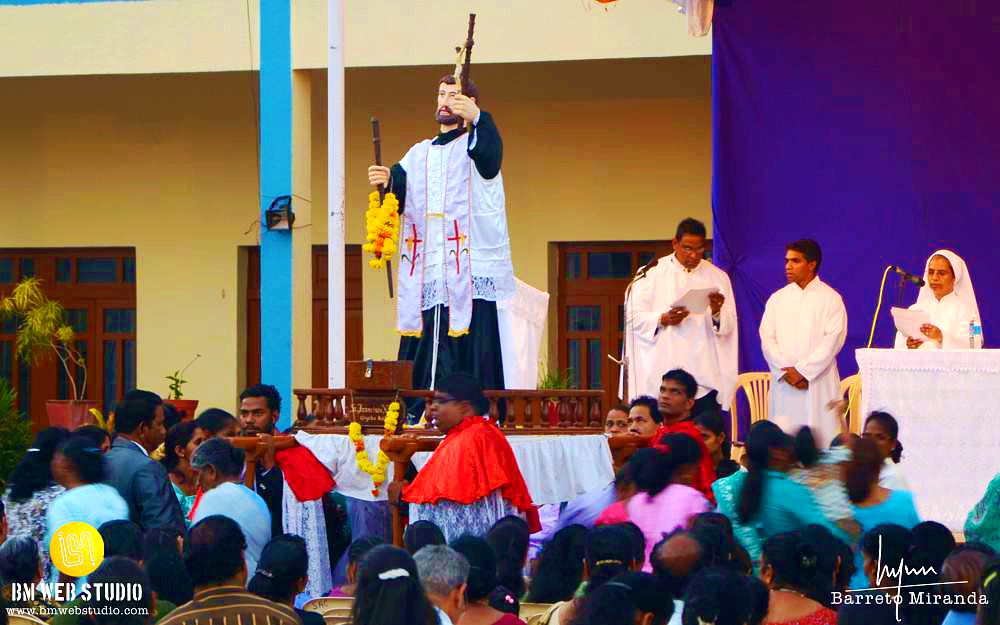
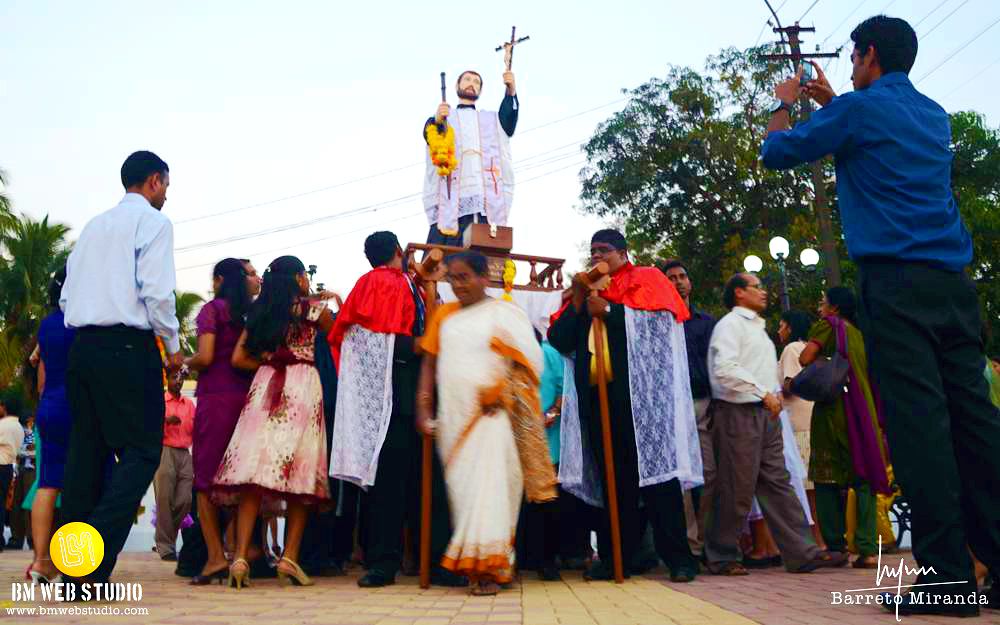
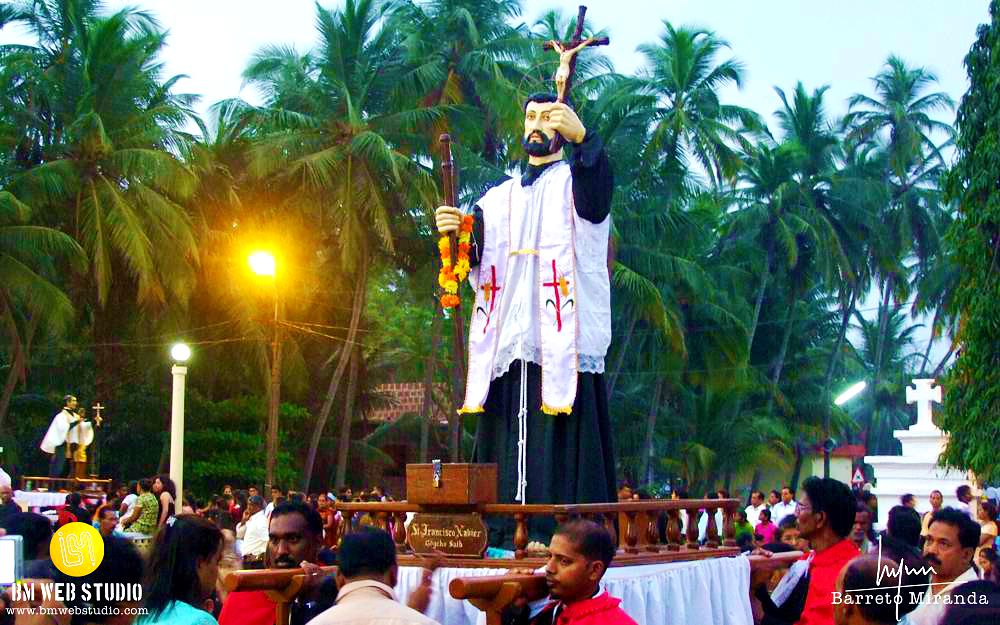


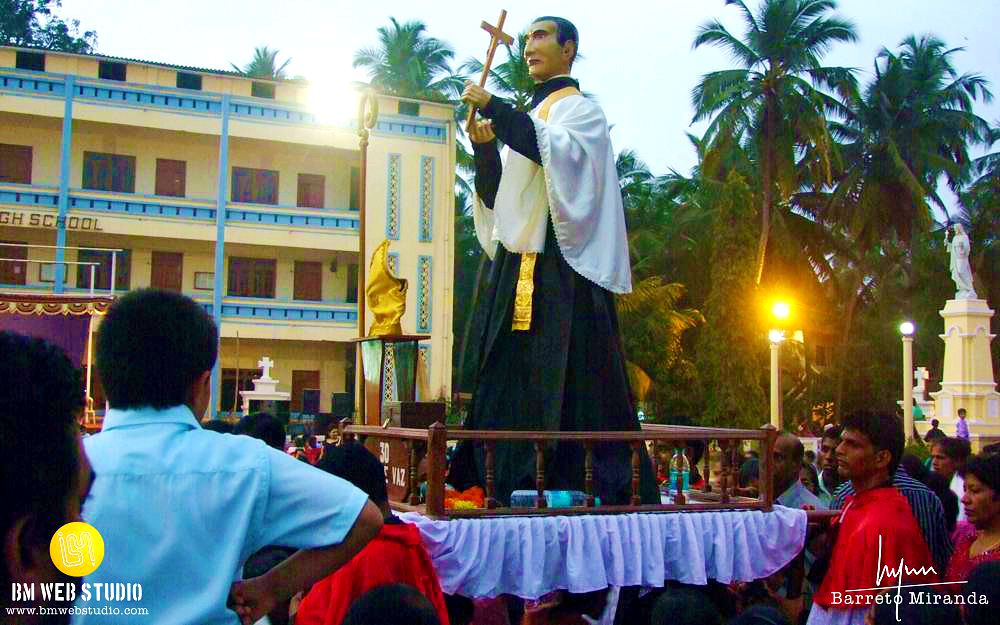
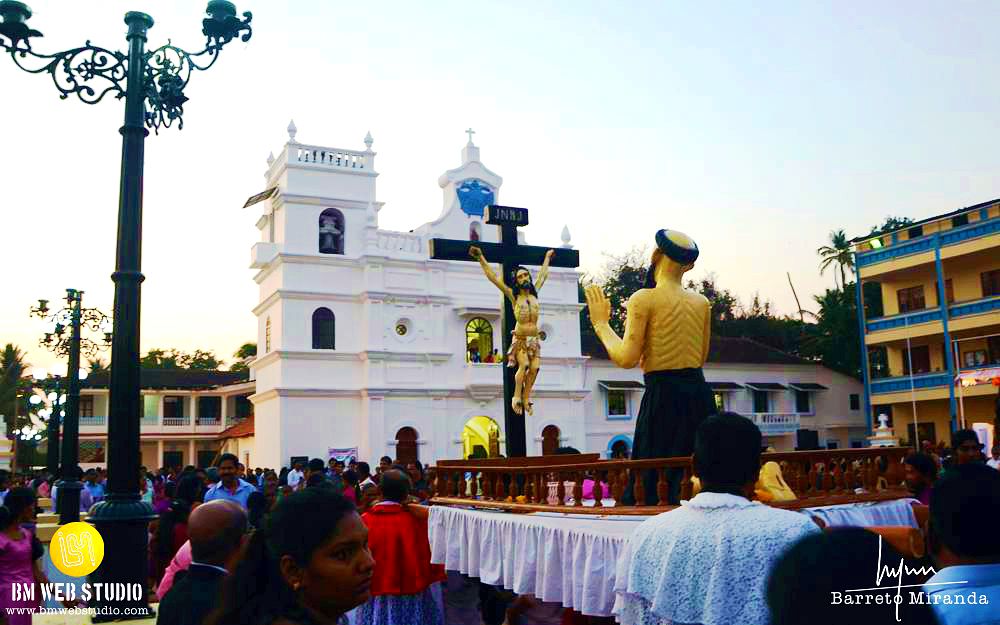

Each year, thousands of pilgrims and visitors from across Goa and beyond converge on the historic village of Goa Velha to witness the Santachem Pursao (Procession of Saints). Held at the Church of St. Andrew on the fifth Monday of Lent, this solemn and deeply evocative ritual is widely regarded as one of the most distinctive Lenten observances in Asia – a living testament to Goa’s layered spiritual heritage.
Origins and Purpose
The procession traces its origins to the 17th century, when it was instituted by the Franciscan Order as a form of visual catechism. Designed to communicate Christian teachings to a largely oral society, the friars used life-size statues of saints and martyrs to offer tangible models of faith, encouraging the local community to emulate the virtues and teachings of Christ.
By the 18th century, the event had grown in scale and splendor, featuring approximately 65 richly adorned statues – including missionaries, kings, and queens — carried in ornate palanquins on the shoulders of local devotees. However, the tradition entered a period of decline in 1835. The Portuguese government’s suppression of religious orders (influenced by the reformist policies of the Marquis of Pombal) led to a ban on the procession. In the years that followed, many statues, vestments, and ceremonial objects fell into neglect, and some were irretrievably lost.
Three decades later, in 1868, the procession was revived from the newly built Church of St Andrew, restoring an important devotional and cultural practice. Over time, the collection continued to evolve, most notably with the addition of a statue of St Joseph Vaz, the Goan missionary revered as the Apostle of Ceylon, in 2009.
The Modern Procession
Today, the Santachem Pursao endures as a powerful expression of faith, memory, and community participation. The observance begins with a solemn Eucharistic celebration, after which 31 life-size statues are ceremonially brought out of the church. As each figure emerges, a narrator recounts the saint’s life and spiritual legacy, inviting reflection from the gathered devotees.
The statues are then borne in a slow, prayerful procession across the church courtyard. In a deeply personal act of devotion, many of the faithful crawl beneath the palanquins — a traditional gesture of humility intended to seek blessings and spiritual solace.
Cultural Significance
More than a religious observance, the Santachem Pursao is a profound expression of Goa’s shared identity. Rooted in centuries of history yet sustained by modern devotion, it reflects the enduring dialogue between faith and culture. For many, the procession is not only a moment of prayer but a powerful symbol of continuity—a tradition where heritage is not merely preserved, but lived.
* Photos are of the Santachem Pursao held on Monday, March 18, 2013.
Photos by Lynn Barreto Miranda / lynn.barretomiranda.com

Scan the code for directions.

Goa / ph: 9822151419