
Pestle, Rhythm, and History: Chandor’s Mussoll Ritual




While the colour and revelry of Goa’s Carnival play out across the state, in the quiet village of Chandor, something far older stirs. On the second night, celebration gives way to ritual—measured, rhythmic, and steeped in memory.
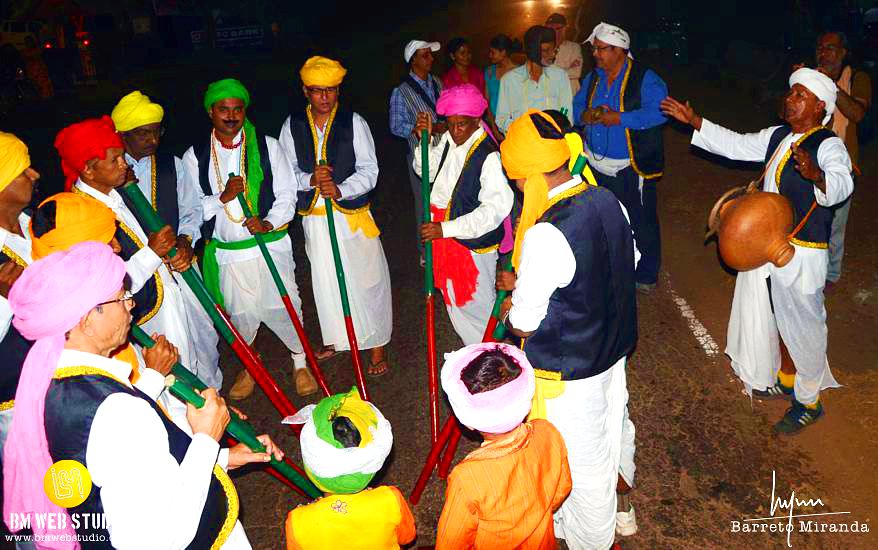
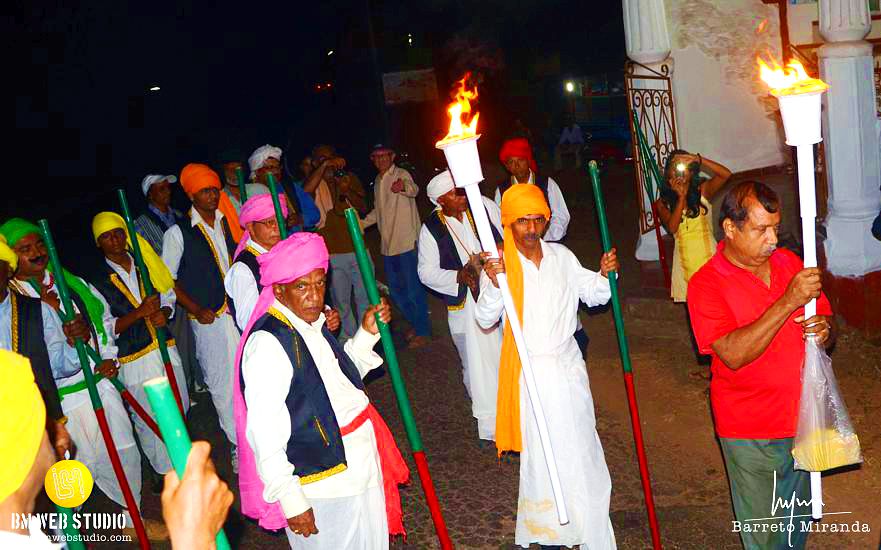
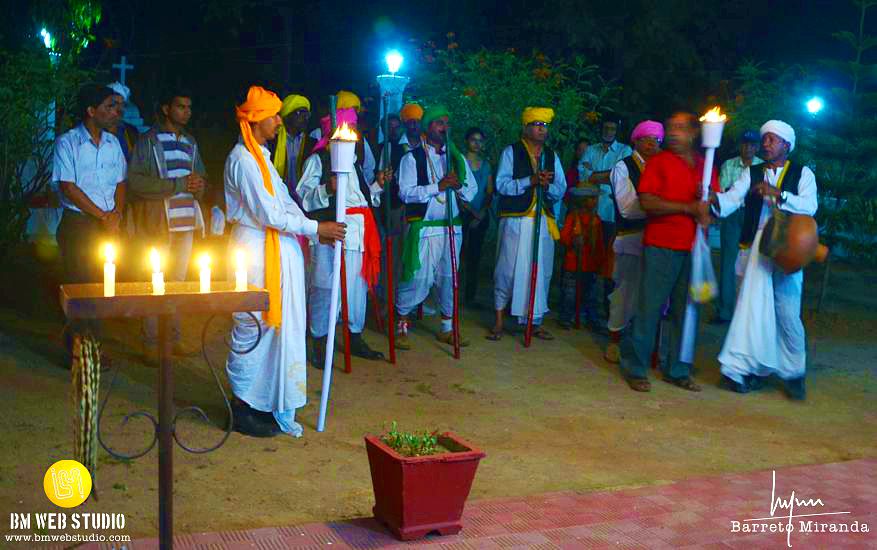
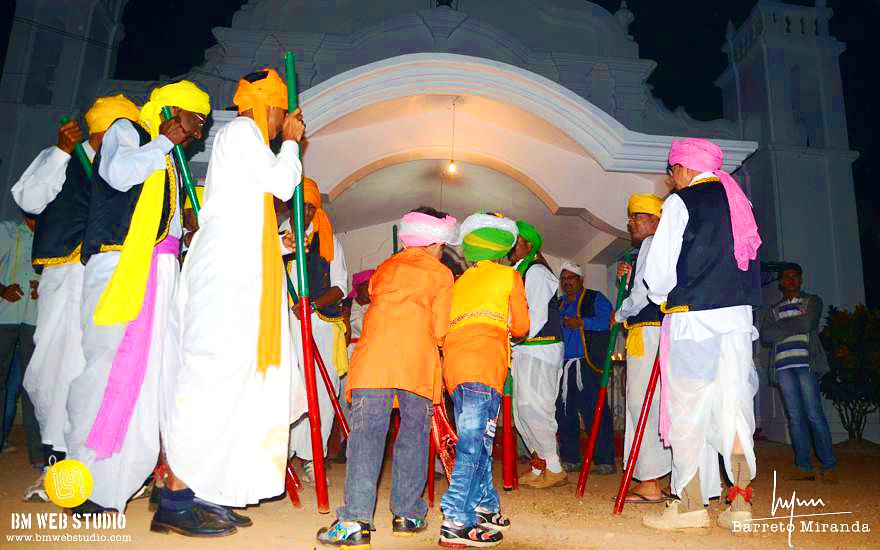
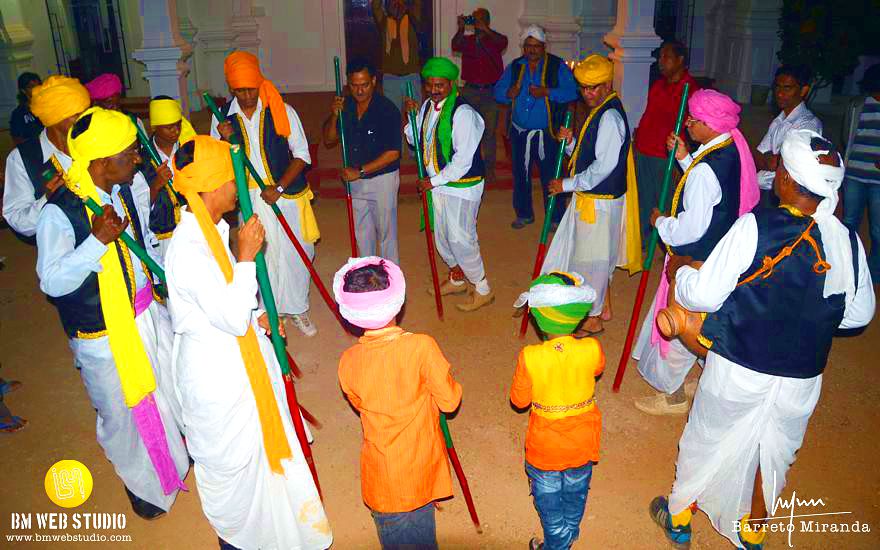
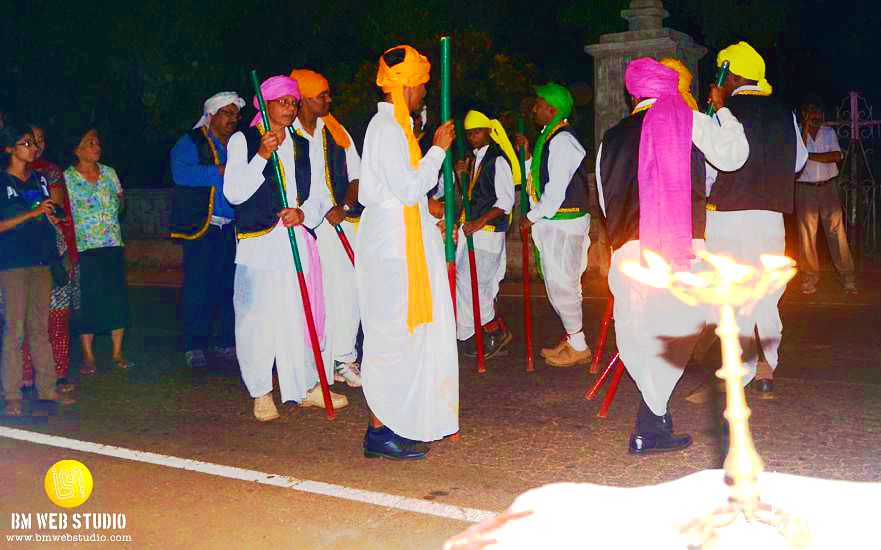
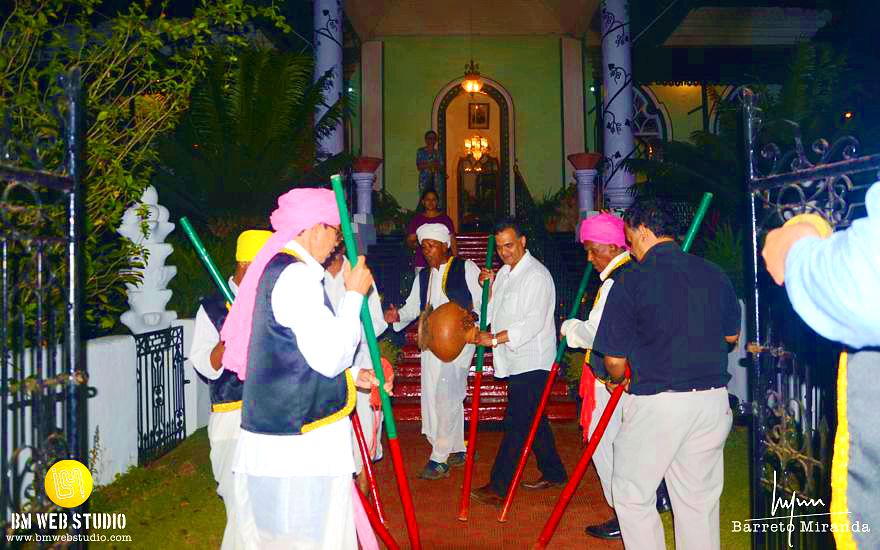
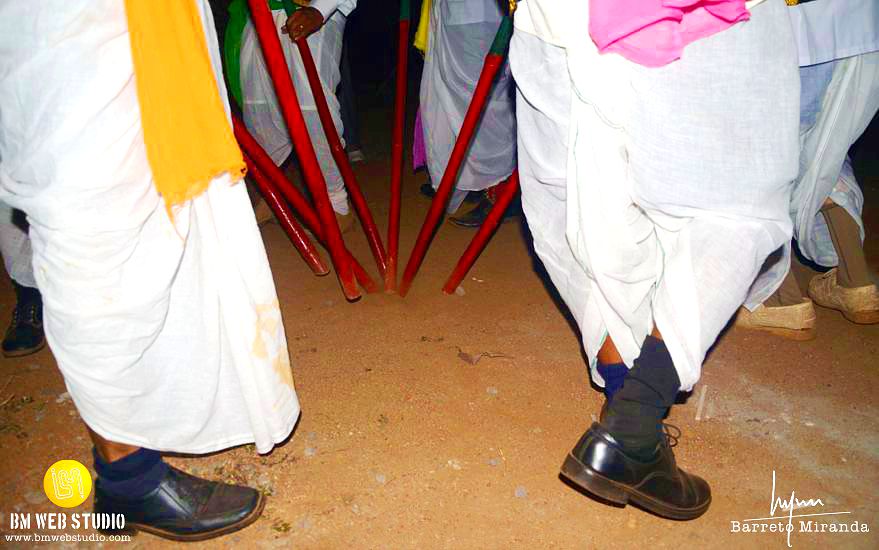
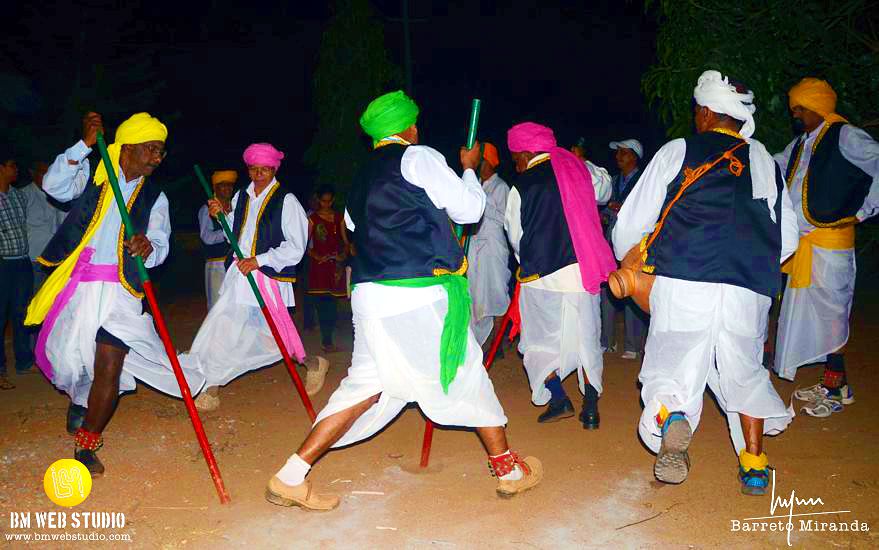
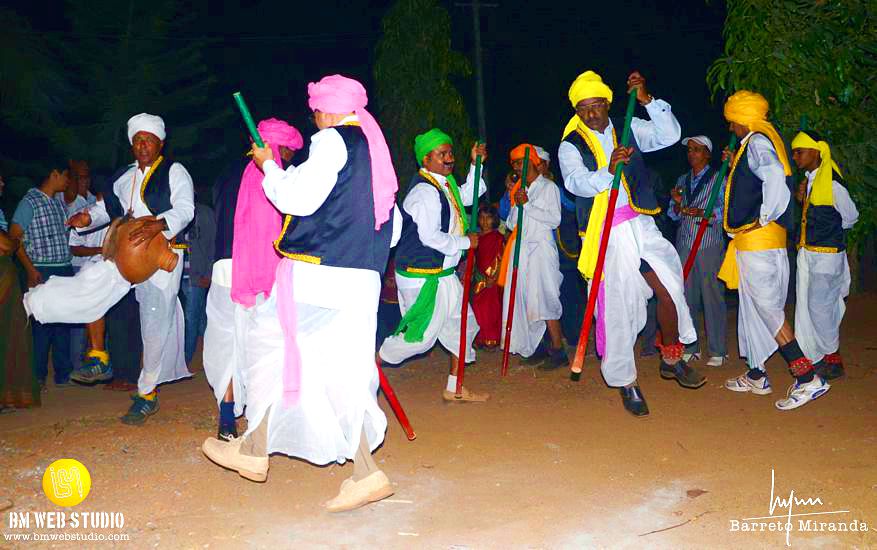
In the courtyard of Cota, once part of the ancient capital of Chandrapur, men begin to gather under a moonless sky. They are all Catholics—descendants of Chandor’s Chardo community—yet what unfolds over the next few hours feels like a bridge across centuries. Dressed in traditional attire—white dhotis, short jackets, bright turbans, and a single anklet of ghungroos—they carry the mussoll, a heavy wooden pestle that once doubled as a weapon.
The night is suddenly punctuated by the ringing of chapel bells. Before anything begins, the group pauses. Candles are lit. A Christian prayer is offered before the cross. Only then does the ground begin to tremble.
With synchronised force, the men strike their pestles into the earth—again and again—creating a deep, resonant rhythm. The mussollam khell, as it is known, is not merely performed; it is invoked. Each beat feels deliberate, almost incantatory, as voices rise in a song that carries echoes of another time.
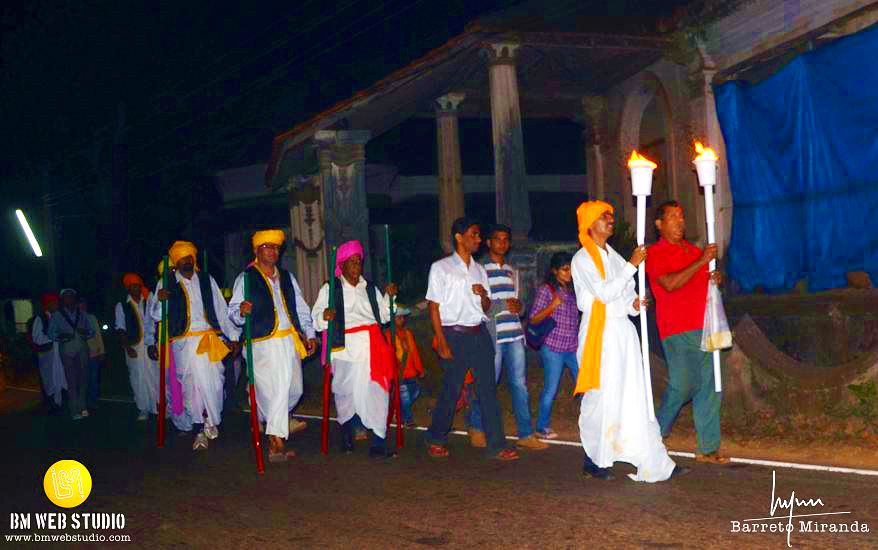
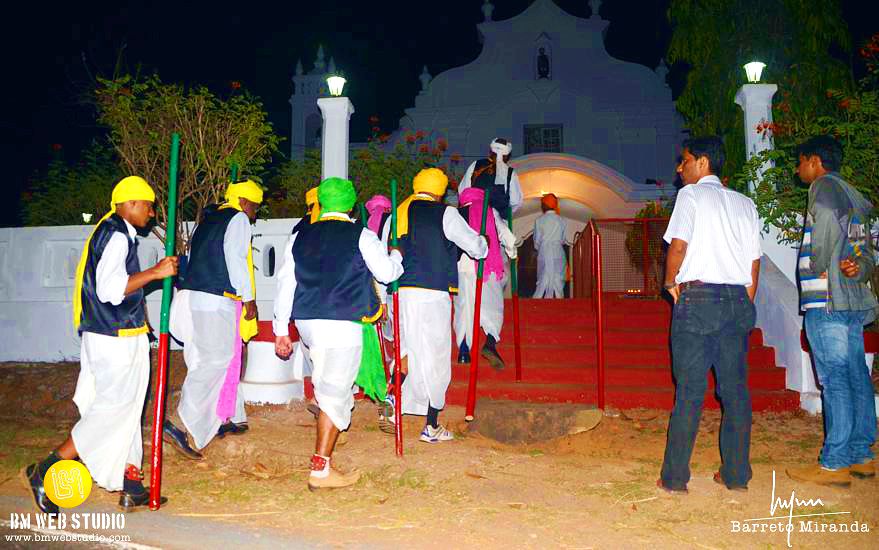
When the sequence ends, the performers lift flaming torches and move in procession towards the nearby San Tiago Chapel. There, the ritual repeats—prayer, rhythm, song. Then, like a living current, the troupe winds its way through the village, stopping at houses, performing and singing, awakening Chandor’s night with a tradition that refuses to fade.
For the uninitiated, the juxtaposition is striking. What does a martial, Hindu-rooted ritual have to do with Carnival, a festival inherited from Portuguese Christianity?
The answer lies in the layered cultural fabric of Goa.
According to local research and oral histories, the mussoll dance commemorates a 14th-century victory of the Vijayanagar king Harihar over the Cholas. At its core, it is a Kshatriya war dance—an enactment of strength, protection, and the symbolic driving away of evil. Long before churches rose over Chandor, this would likely have been performed in the sabhamandap of the Chandreshwar temple, whose ruins still linger nearby as silent witnesses to a regal past.
When the Kshatriyas of Chandor converted to Christianity centuries ago, they did not entirely relinquish their past. Instead, they carried fragments of it forward—reshaping, recontextualising, but never erasing. The timing of Carnival, which often coincides with Phalguna, the month of Shigmo, allowed this older ritual to find a place within a new calendar.
And so, the mussoll endured—not as a relic, but as a living expression of identity.
“It’s a ritual that has been kept alive by residents,” an elderly onlooker tells me, his voice carrying both pride and a trace of nostalgia. “In our younger days, there was more energy, more participation. Now, it continues—but more quietly.”
There are variations too. In nearby Cavorim, the dance resurfaces on the third day of Carnival, echoing the same rhythm across neighbouring wards. Yet Chandor remains its heartland—its keeper of memory.
Back at Cota, the tempo of the song rises. The pounding grows more insistent. Around me, the crowd thickens—villagers, visitors, the curious and the initiated—all drawn into the orbit of this elemental rhythm.
And in that moment, it becomes clear: the mussoll dance is not simply a performance within a festival. It is something deeper—a pulse that survives beneath layers of history, faith, and change.
In Chandor, Carnival does not end with music and masquerade. It descends into the earth itself, in the steady, unbroken beat of pestle against soil—reminding us that Goa’s truest stories are often the ones that refuse to be forgotten.
Photos by Lynn Barreto Miranda / lynn.barretomiranda.com

Scan the code for directions.

website designed by lynn
goa / ph: 9822151419