
Zambaulim Gulal: Goa’s Sacred Riot of Colour and Memory
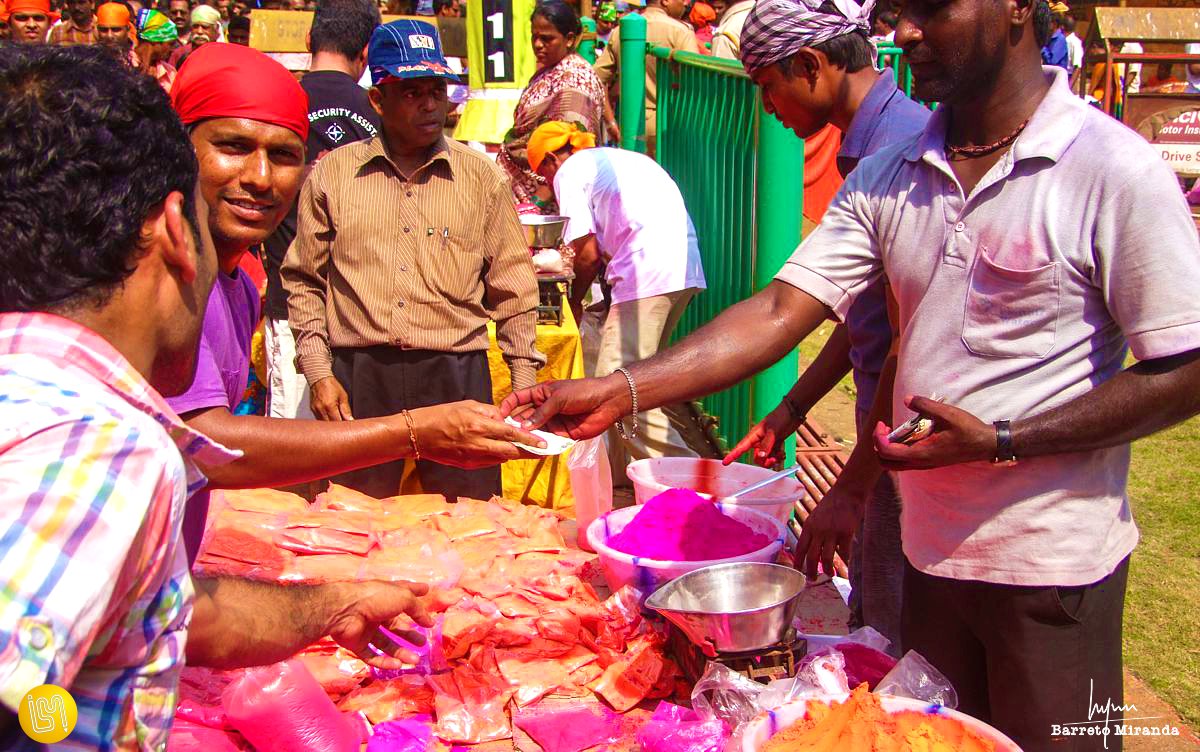

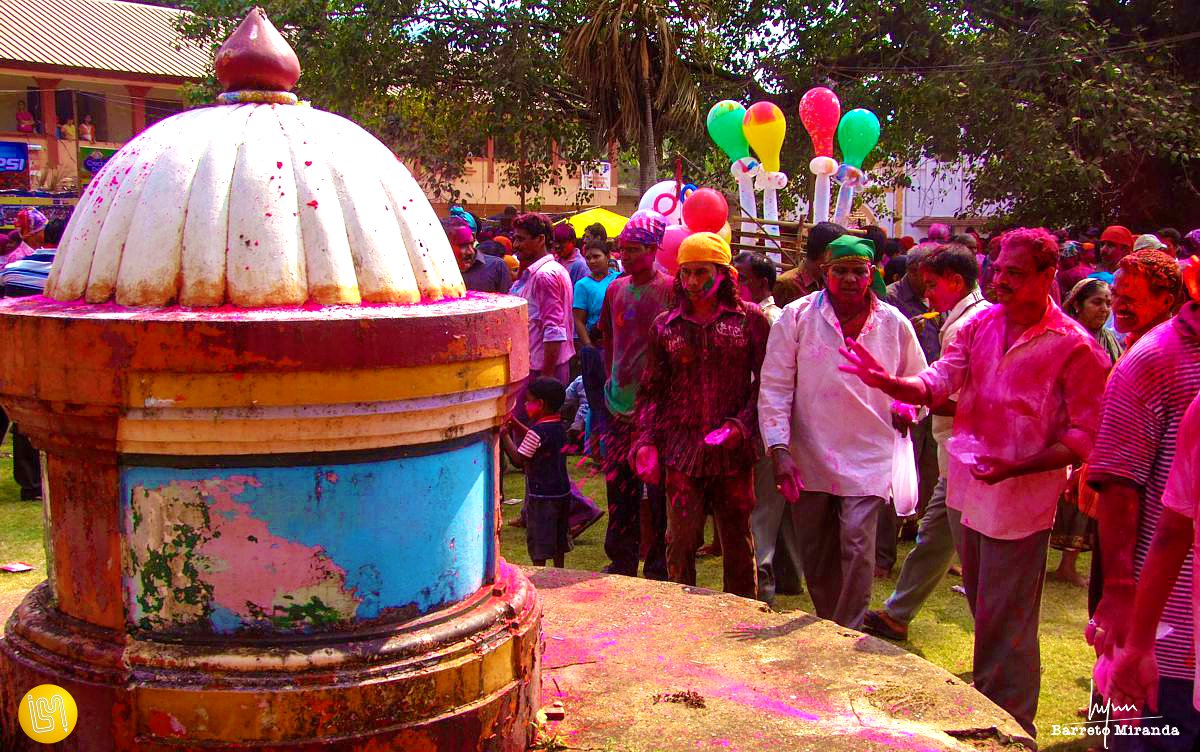

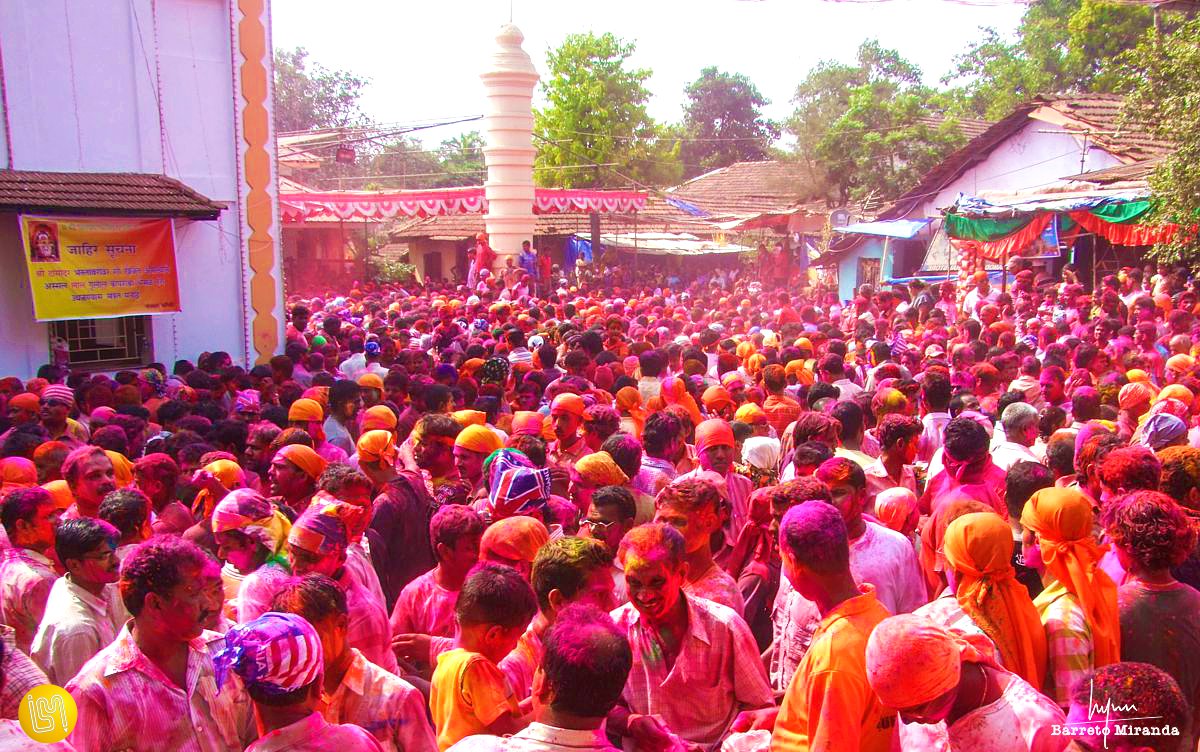
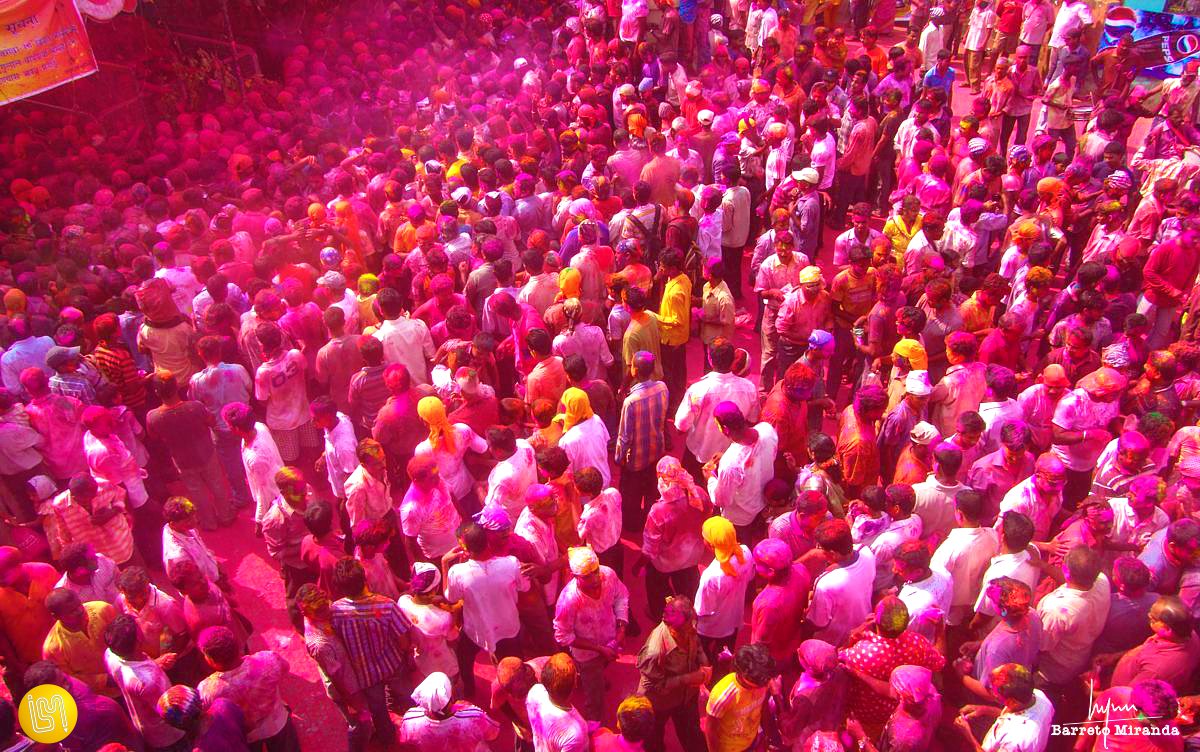
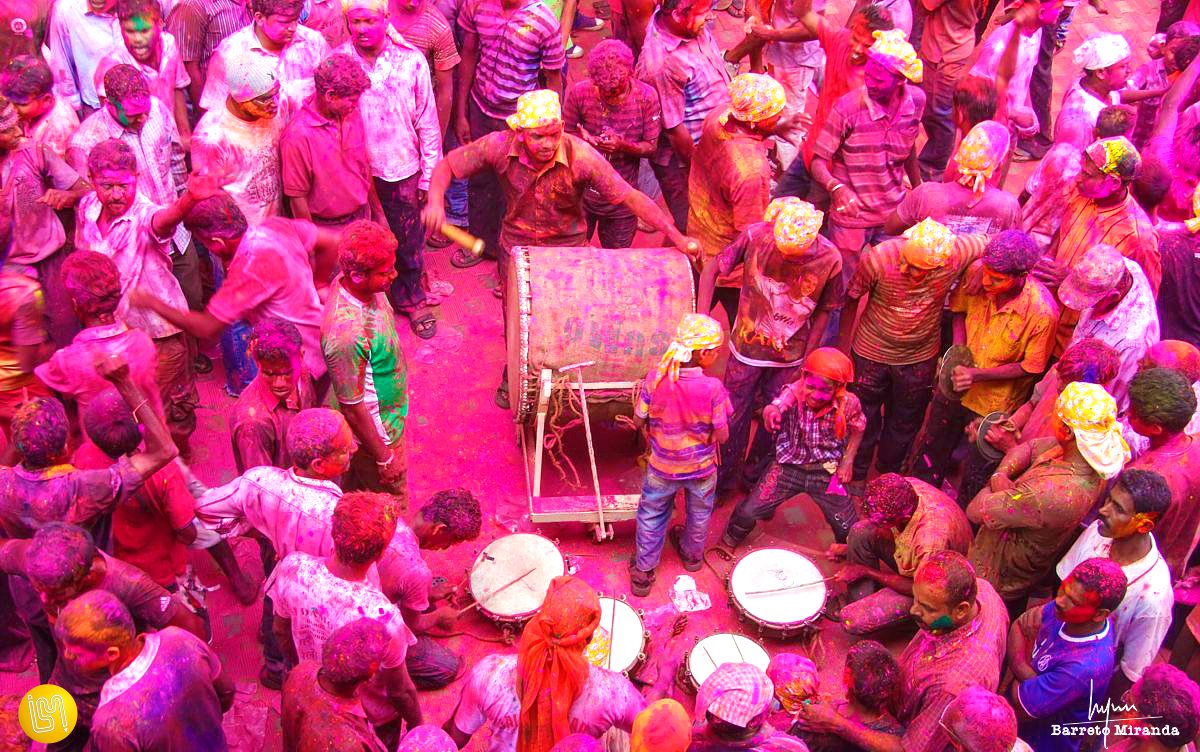
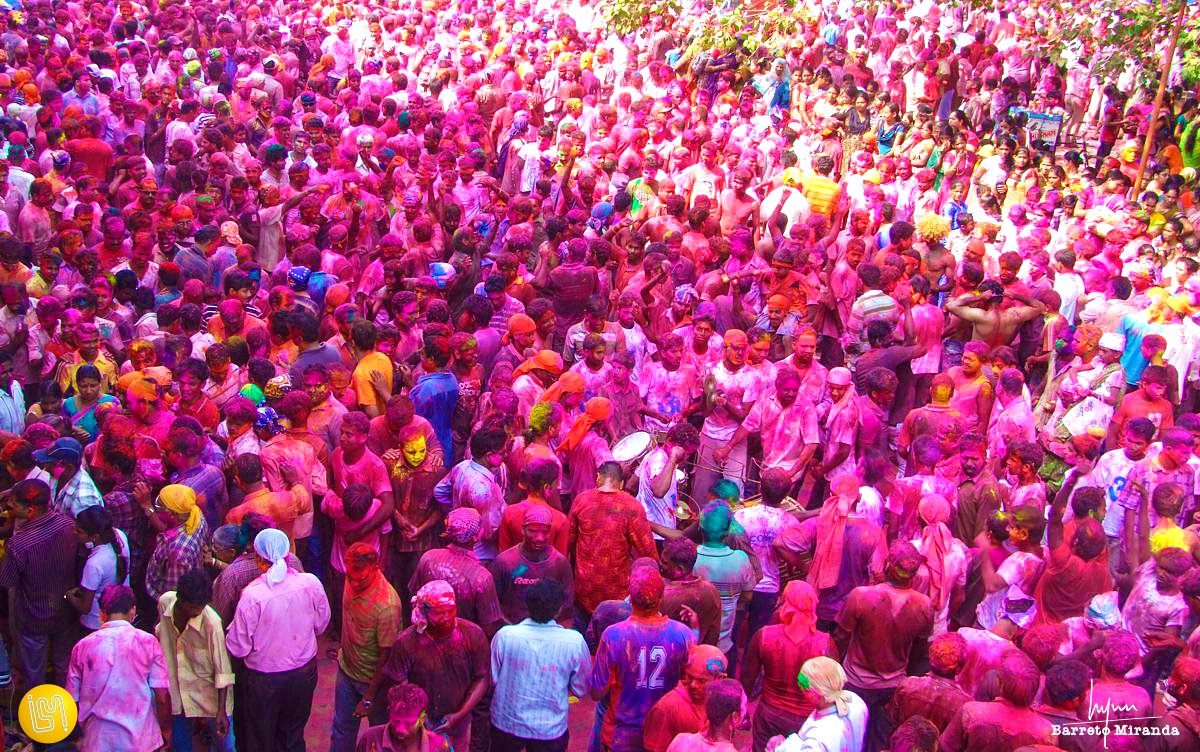
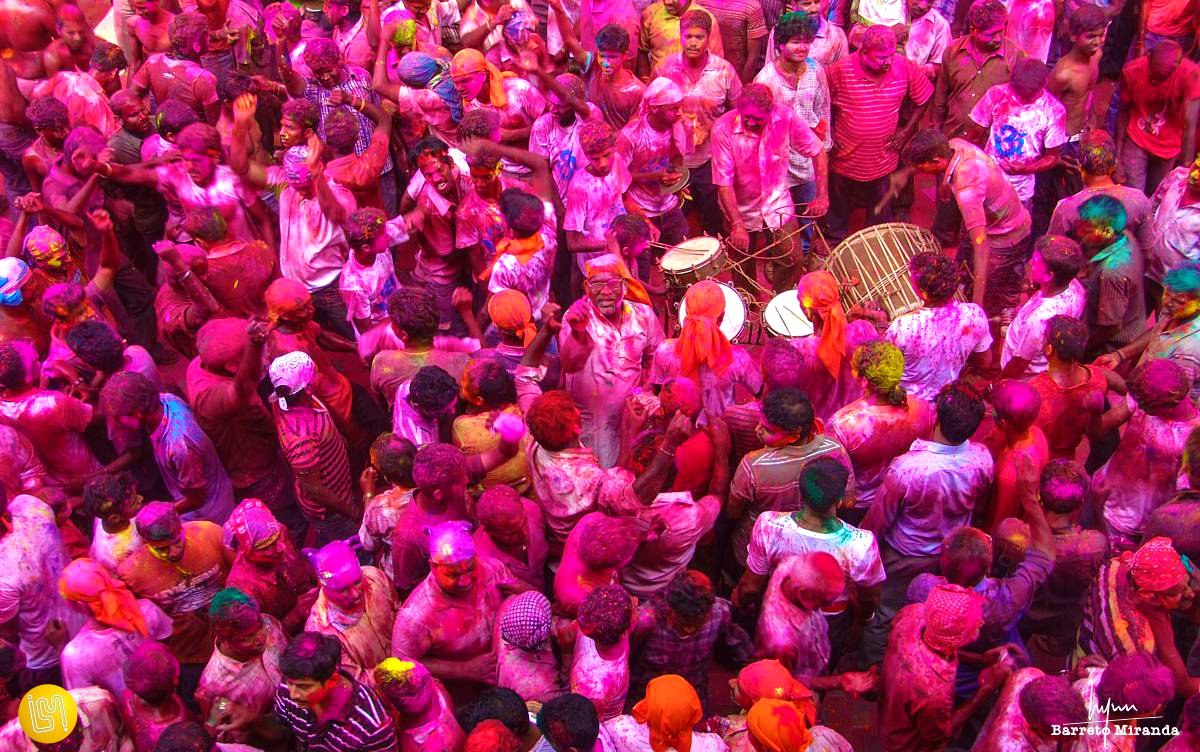
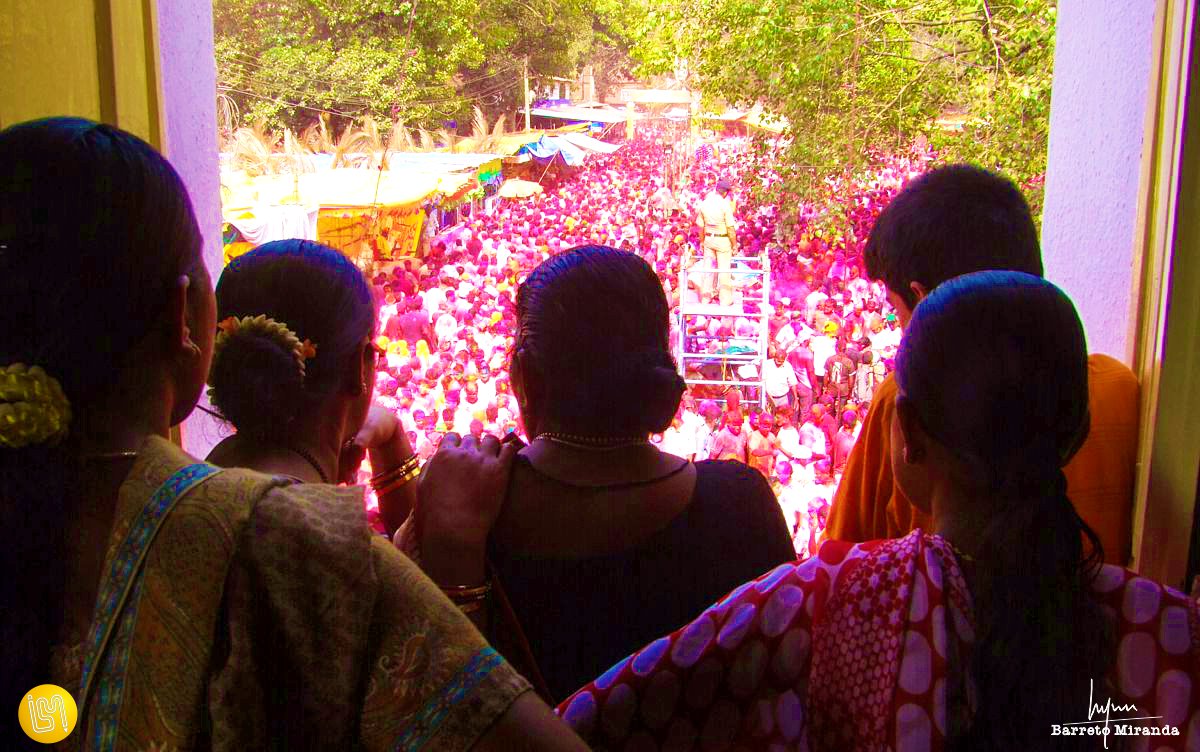
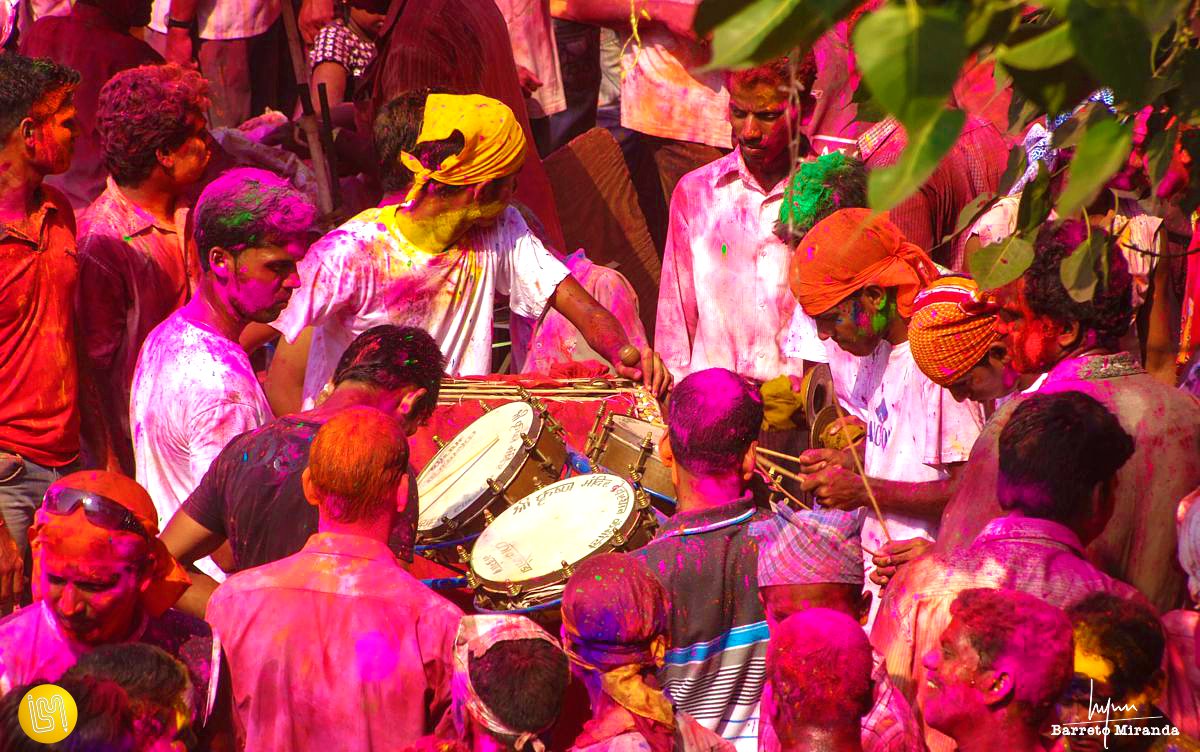
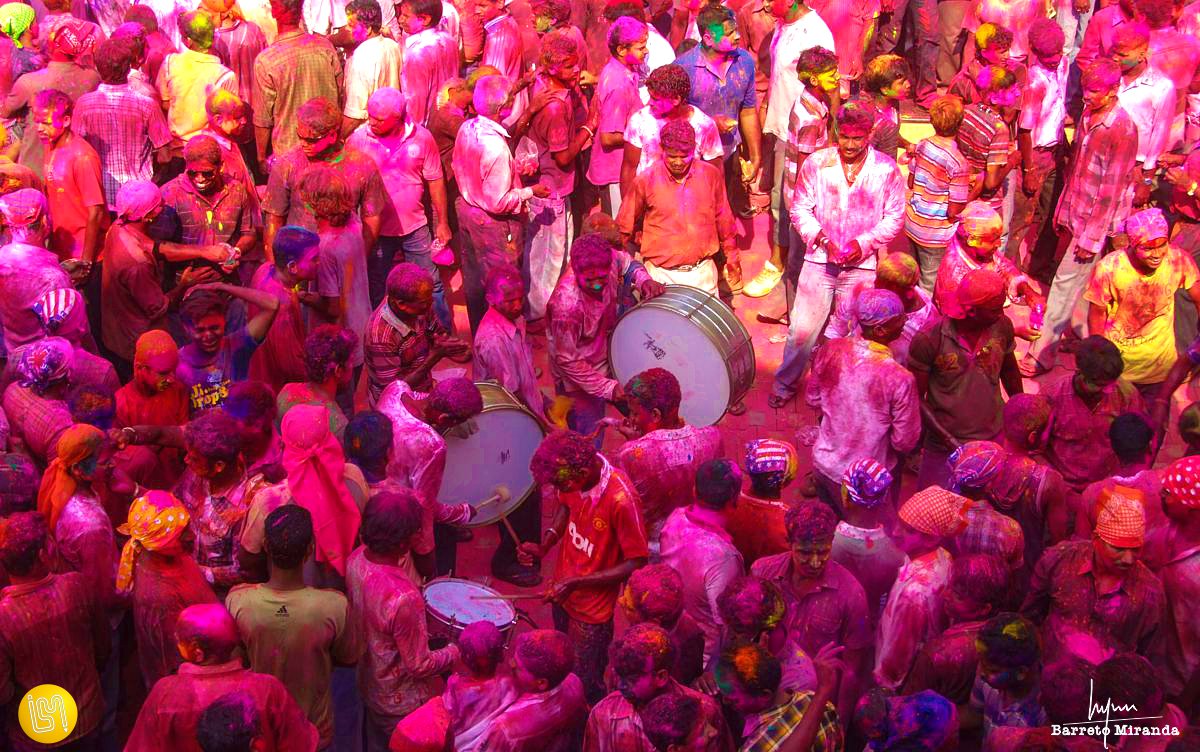
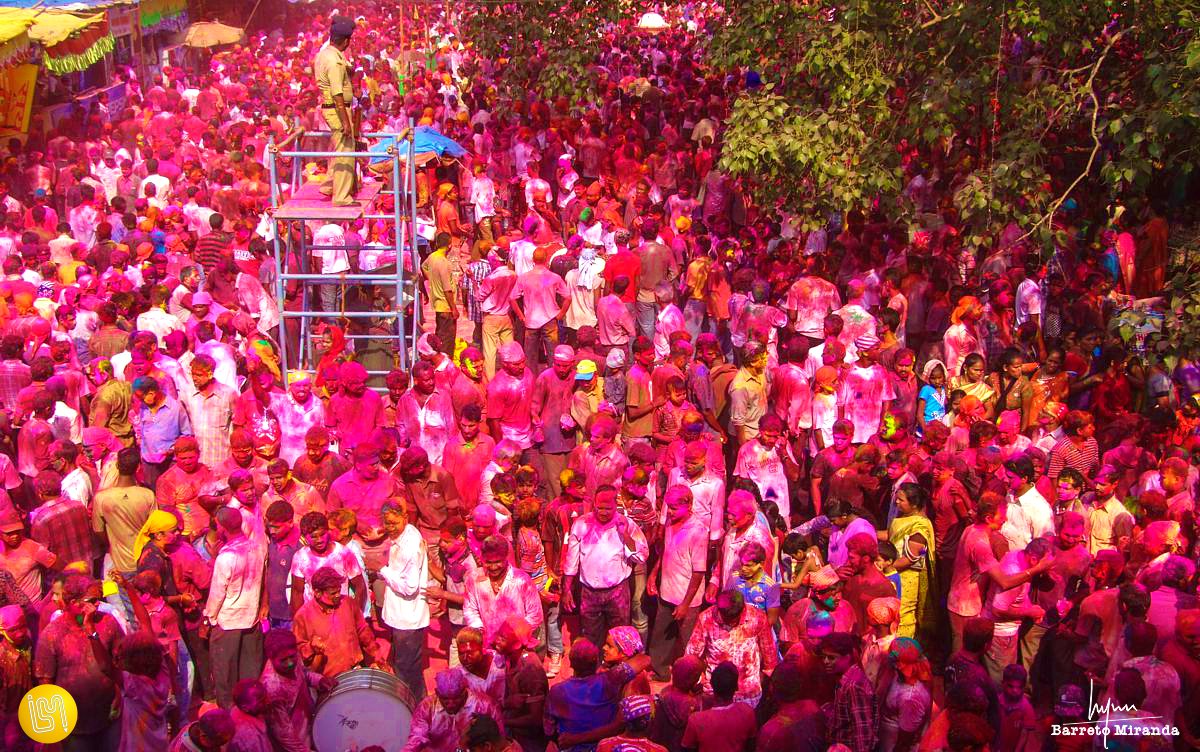
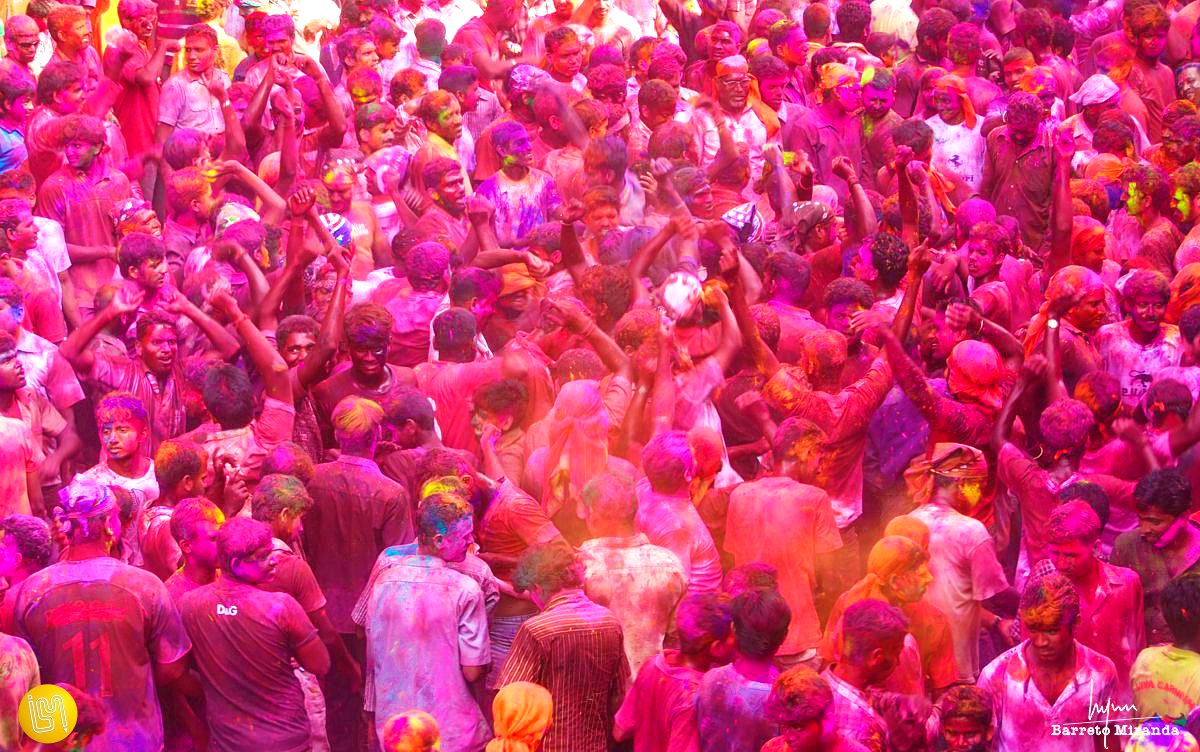
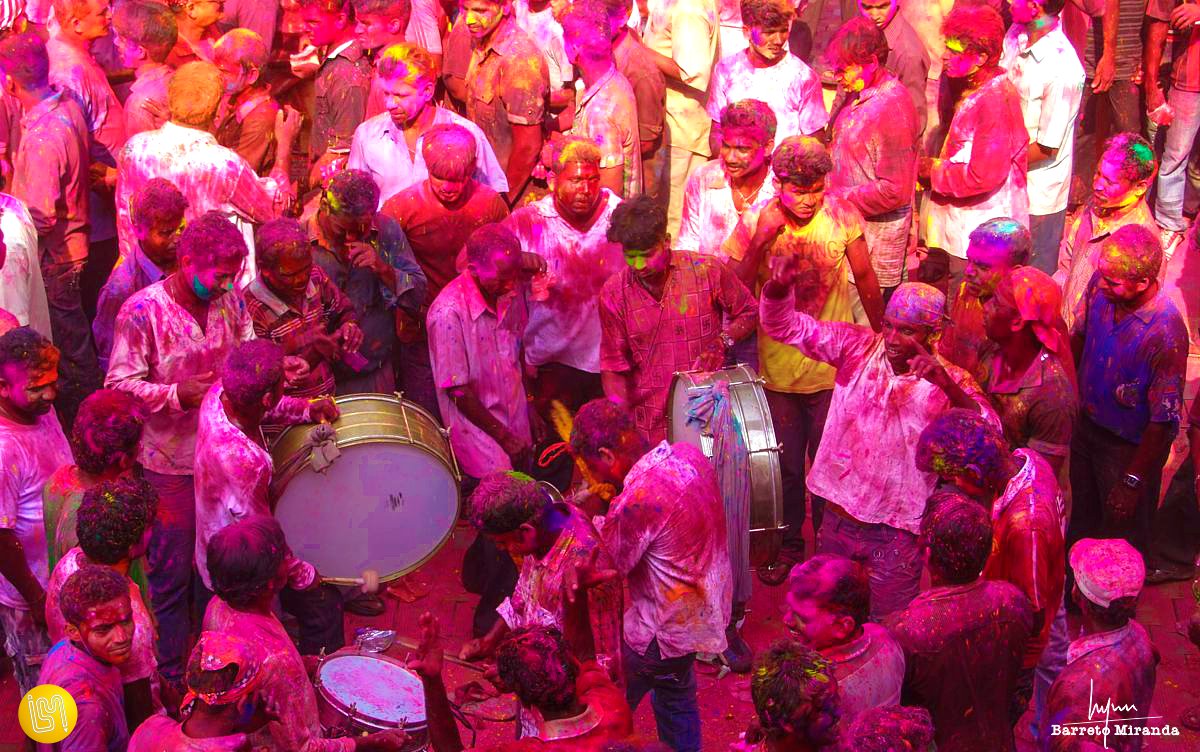
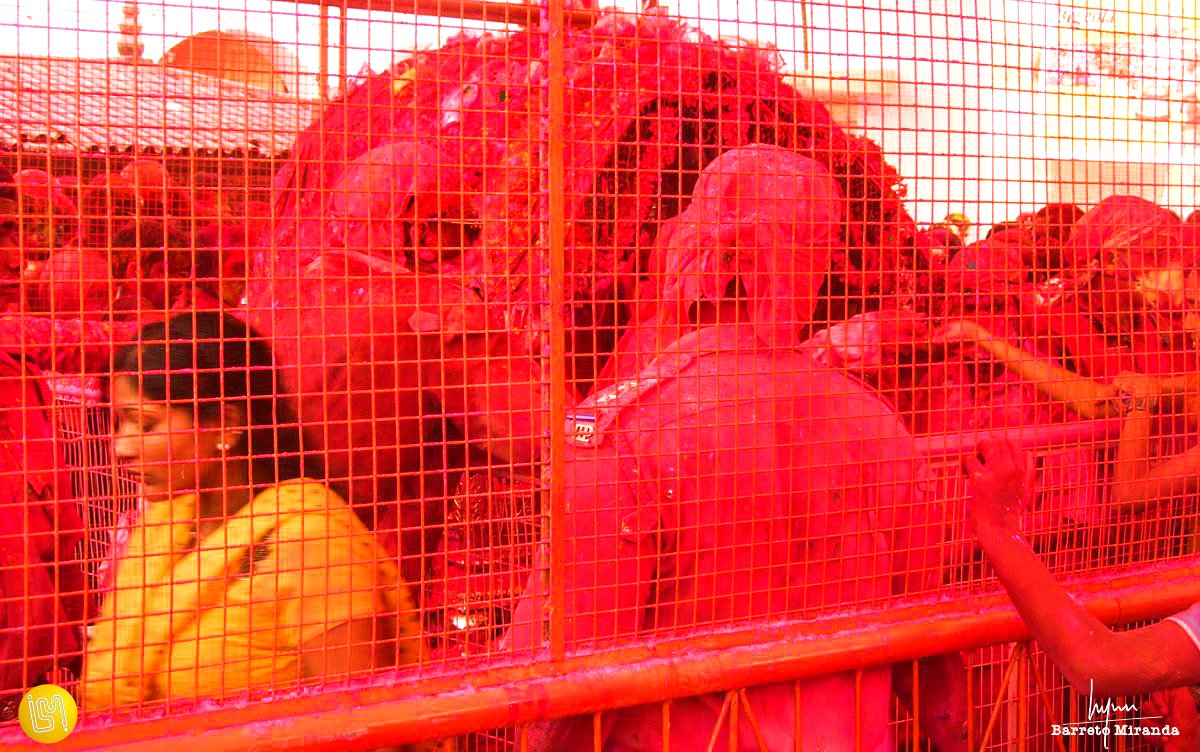
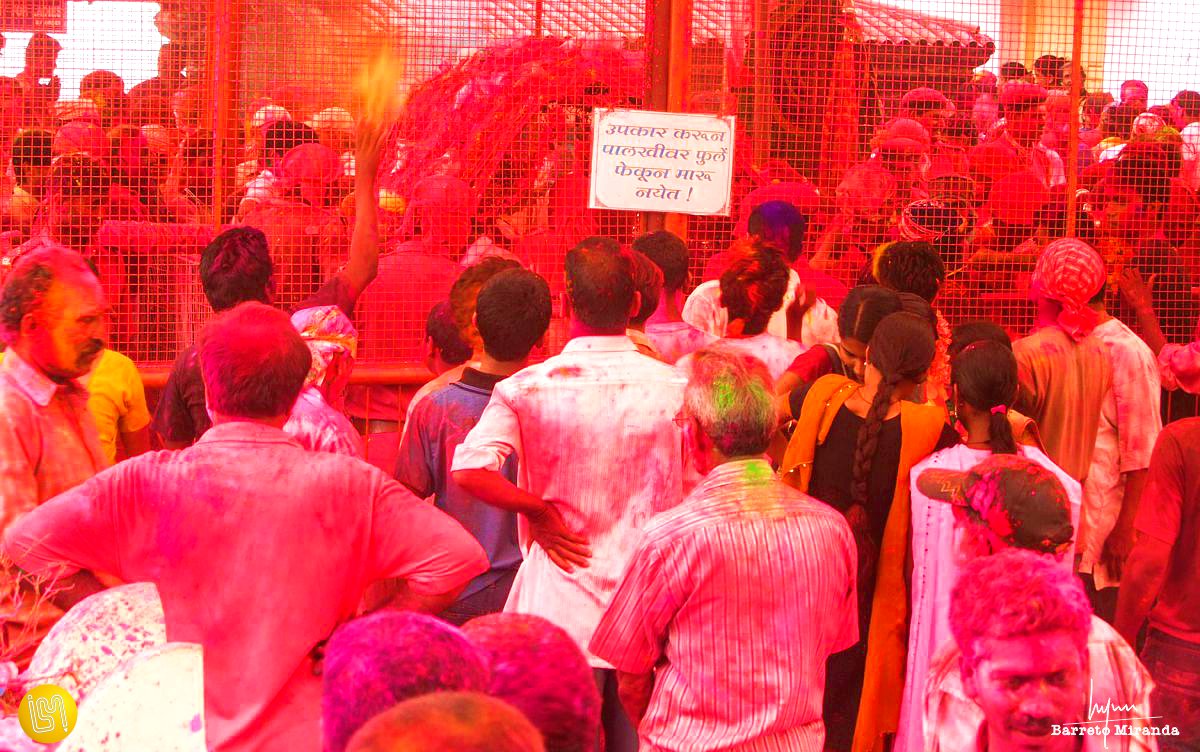
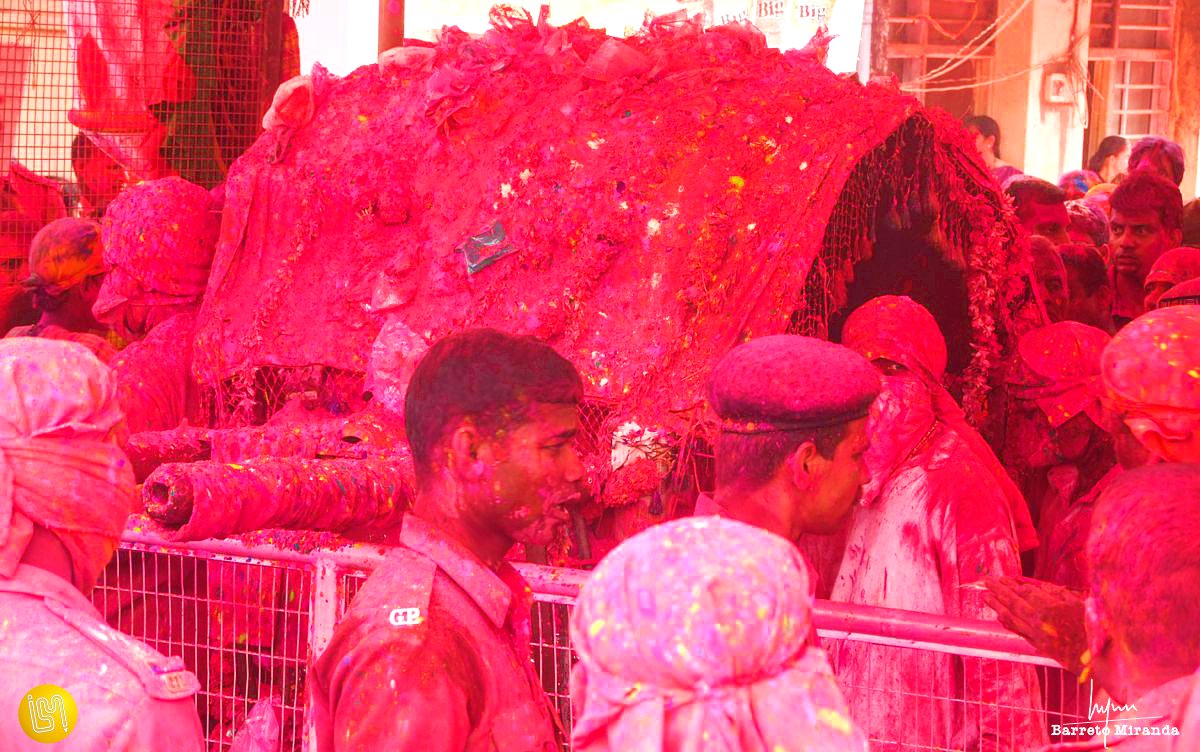
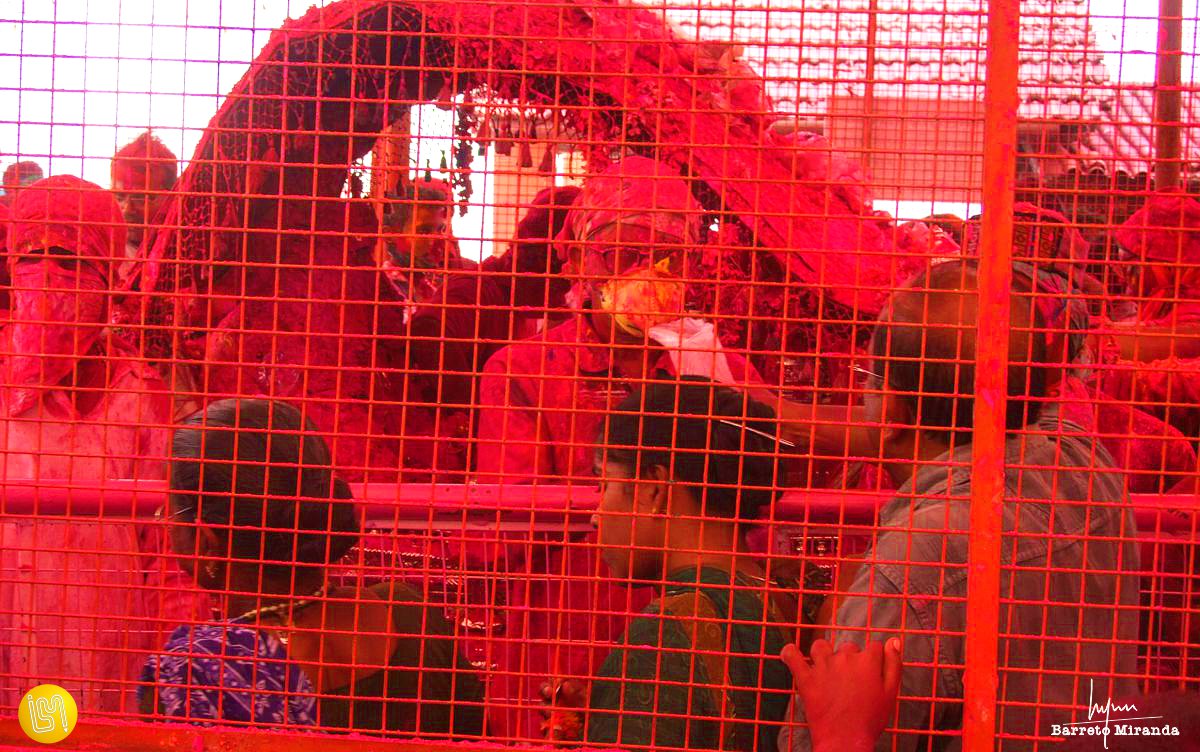
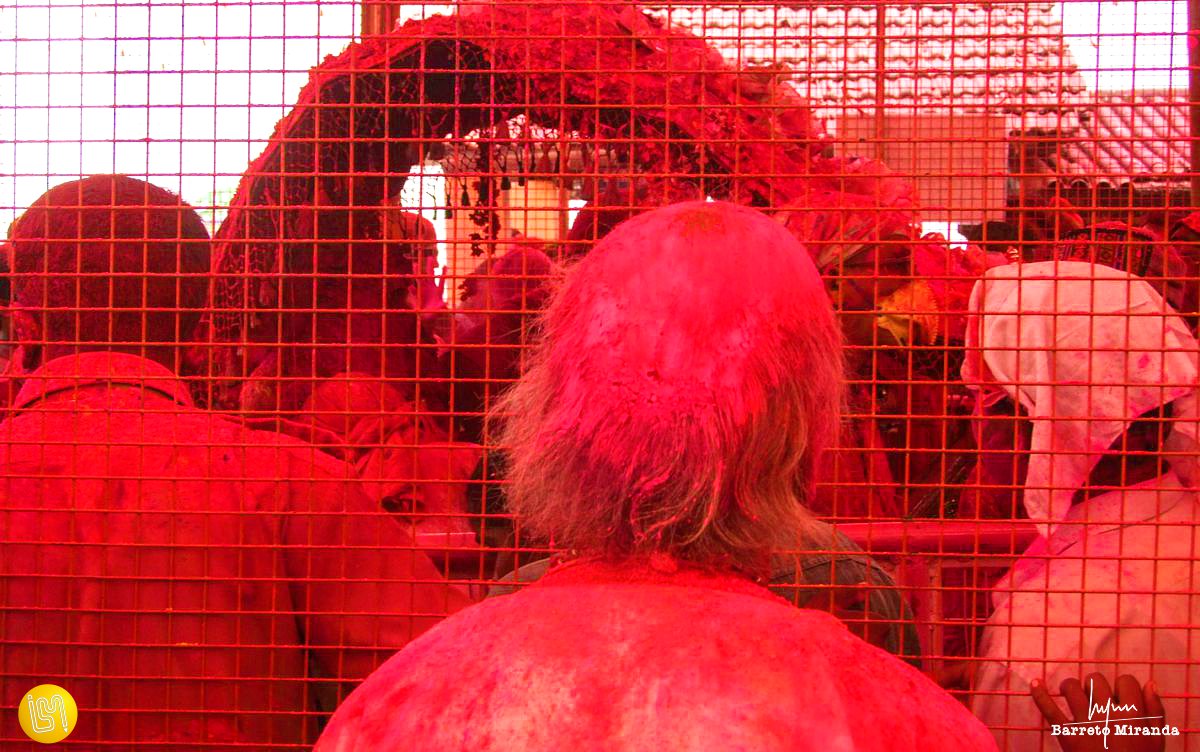
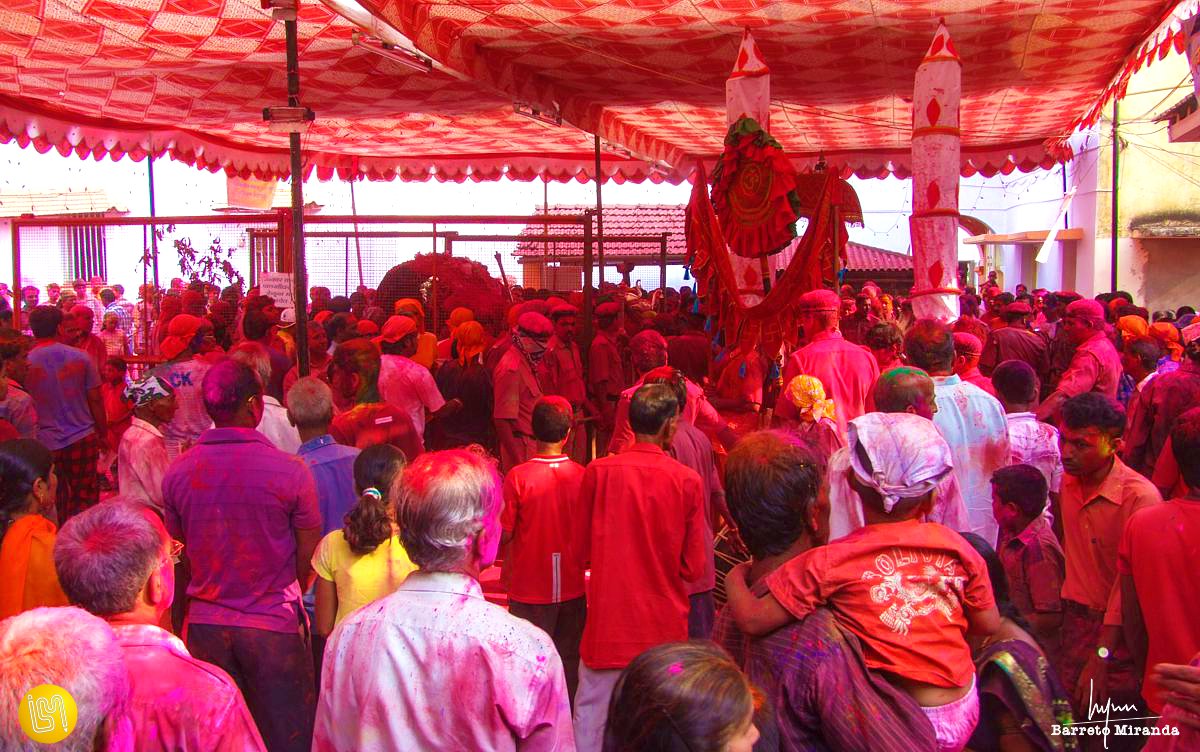


In the quiet village of Zambaulim in South Goa, colour is not merely celebration — it is devotion, resilience, and remembrance. The Gulal festival, linked to Goa’s springtime Shigmo celebrations, unfolds every year in the month of Phalgun at the revered Shri Damodar Temple.
Though no written records pinpoint its exact origins, the festival is deeply rooted in a turbulent chapter of Goan history.
A Festival Born of Faith and Survival
During the Portuguese regime, Hindu rituals and temple traditions were severely suppressed. Several temples were destroyed — among them the original Shri Damodar temple at Margao. Devotees attempted to rescue the sacred Shiva linga. Unable to move it in its entirety, they carried the upper portion to Zambaulim, where a new temple was constructed and the linga installed in the garbhagriha (sanctum).
Legend holds that while transporting the sacred relic from Maddel, it was kept overnight at the house of Purshottam Keni for safety. In honour of that moment, the festival still begins with a ceremonial coconut pooja at the Keni household. From there, the coconut — symbolic of the deity — is taken in procession with music and devotional singing to Zambaulim, marking the start of the seven-day Shigmo festivities.
From Ten Families to a Community Celebration
Initially organised by ten devoted families, the responsibility of the festival passed into collective hands in 1927 with the formation of the Mutt Gram Sanstha Hindu Sabha. The Sabha, based in Margao at the Shri Damodar Hall, continues to organise the grand annual observance. On the main day of the festival, commercial life in Margao slows to a near halt — shutters come down as shopkeepers and families travel to Zambaulim to seek blessings.
The Sacred Shower of Gulal
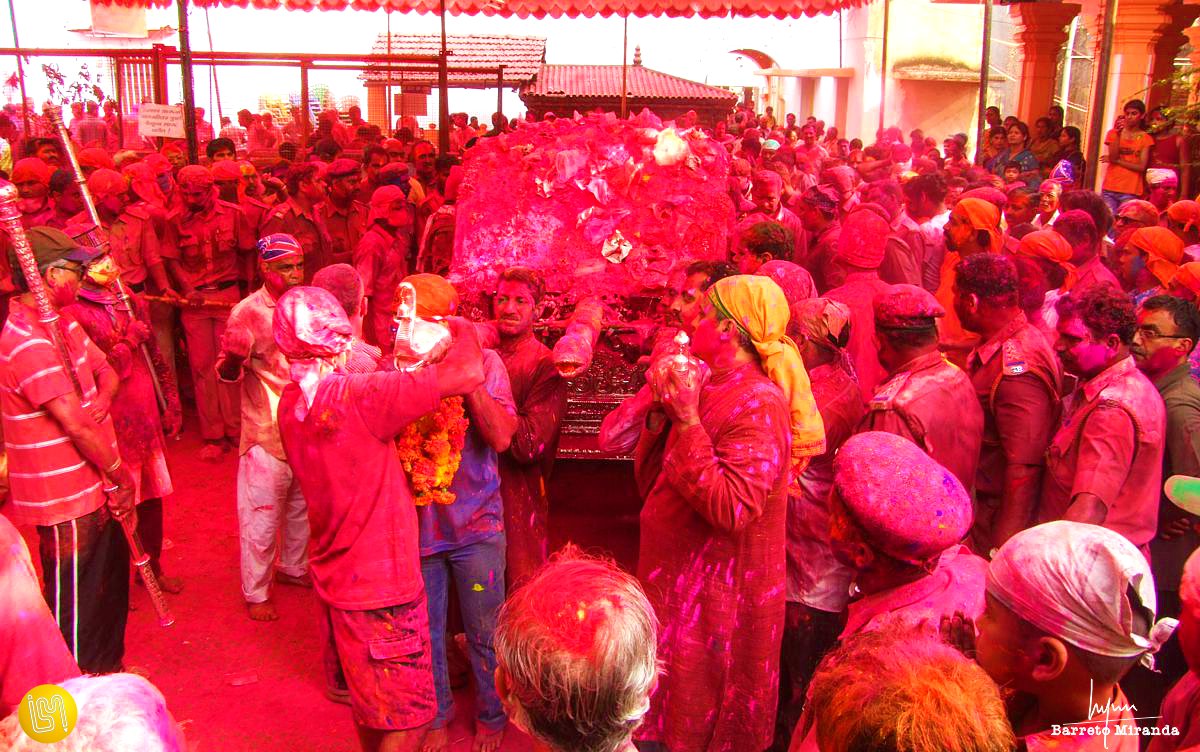
The most anticipated day is Tuesday. By afternoon, a sea of devotees gathers within the temple precincts. As evening descends, the idol of Lord Damodar is placed in a palki and taken in procession around the temple. Clouds of crimson and pink gulal fill the air as devotees joyfully shower the idol and each other in colour.
To be smeared in gulal on this day is considered auspicious — a blessing carried home on skin and clothing alike.
Monday marks the ceremonial bringing of the idol into the Sabha Mandap amid chants of “Govinda, Jai Jai.” On Tuesday, after the gulal ritual, devotees bathe in the temple pond — locally known as the panto — formed by the waters of the Khushavati River within the temple compound. The idol is then ceremoniously taken back into the sanctum. By Wednesday afternoon, following the ritual of dhulpet (the final throwing of gulal), Shigmo draws to a close.
More Than a Festival
Beyond its spectacle of colour, Zambaulim Gulal is an act of collective memory. It commemorates a time when faith had to be protected in secrecy and carried across villages. Today, it stands as one of Goa’s most emotionally charged and community-driven festivals — where history, devotion, and celebration converge.
The organising committee provides meals to hundreds of devotees each day, reinforcing the festival’s spirit of hospitality and shared faith.
In Zambaulim, gulal is not thrown in abandon — it is offered in gratitude. And as the air turns crimson each Phalgun, Goa remembers not only spring, but survival.
* Photos are of the Zambaulim Gulal held on March 21, 2017.
Photos by Lynn Barreto Miranda / lynn.barretomiranda.com

Scan the code for directions.

website designed by lynn
goa / ph: 9822151419