
Chikhal Kalo: When Marcel Celebrates Krishna in the Monsoon Mud
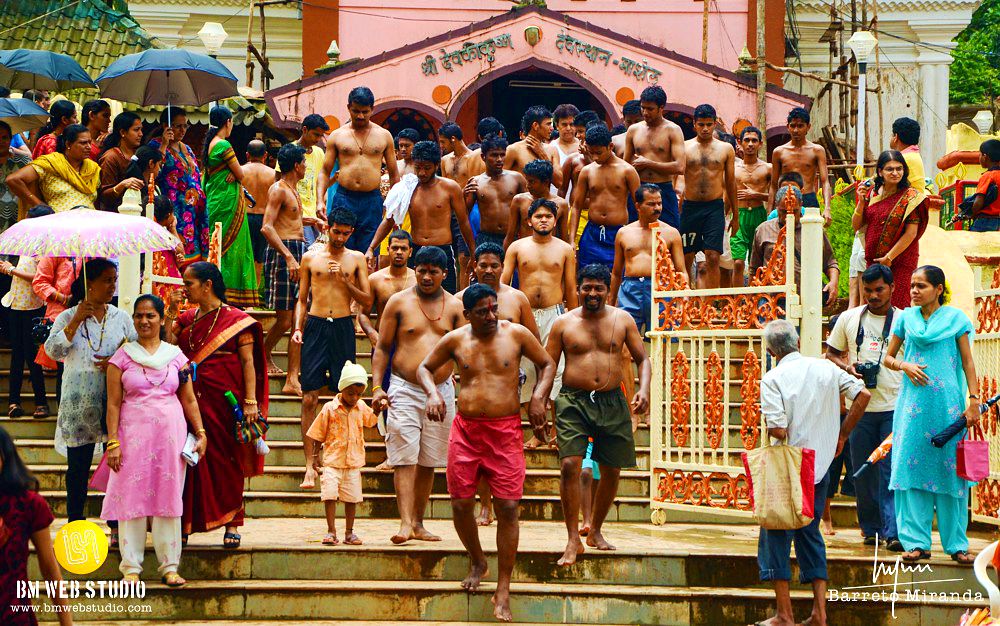
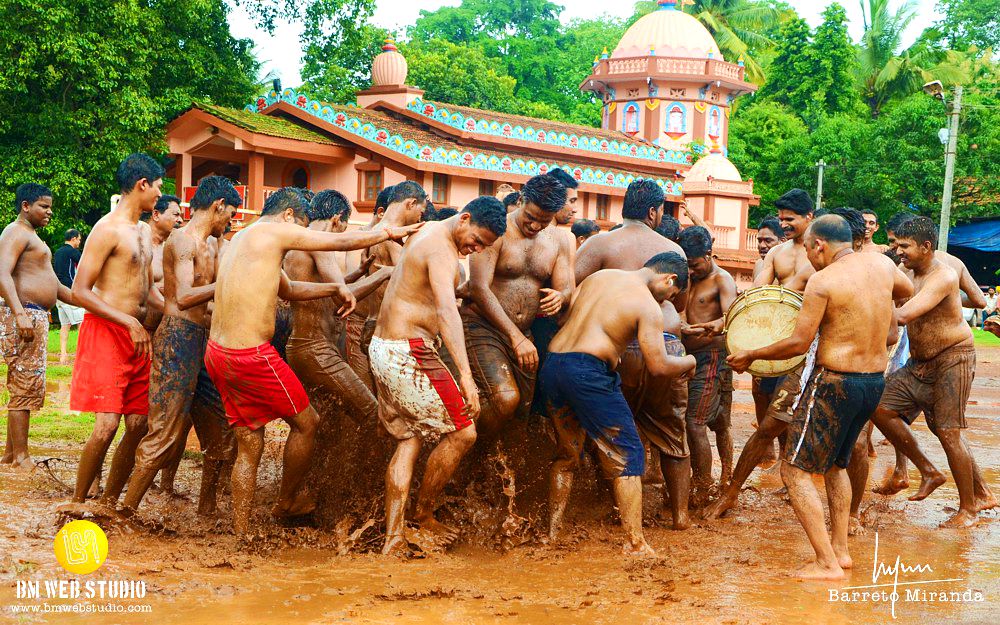
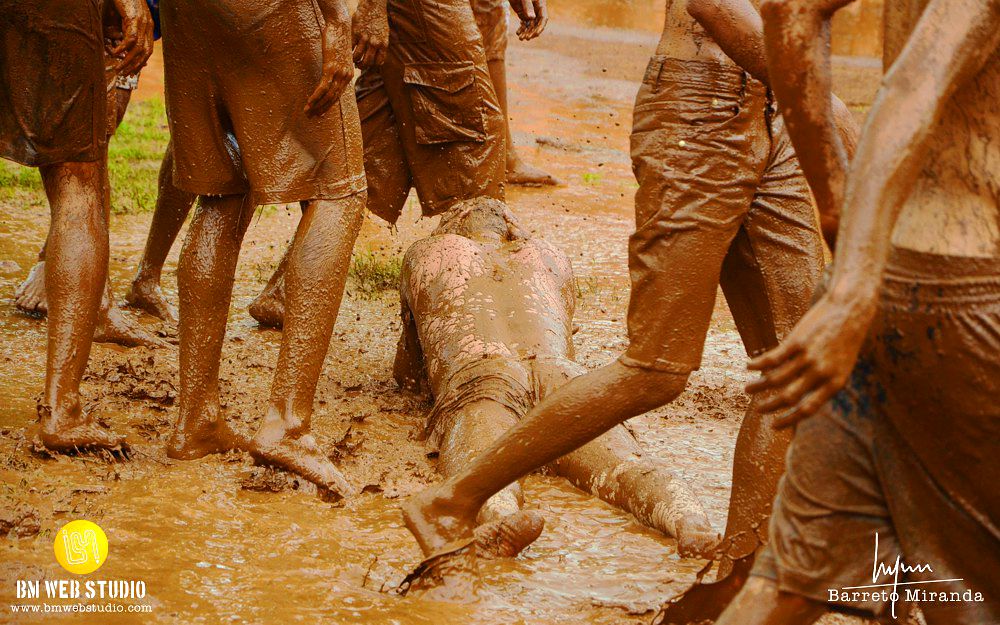
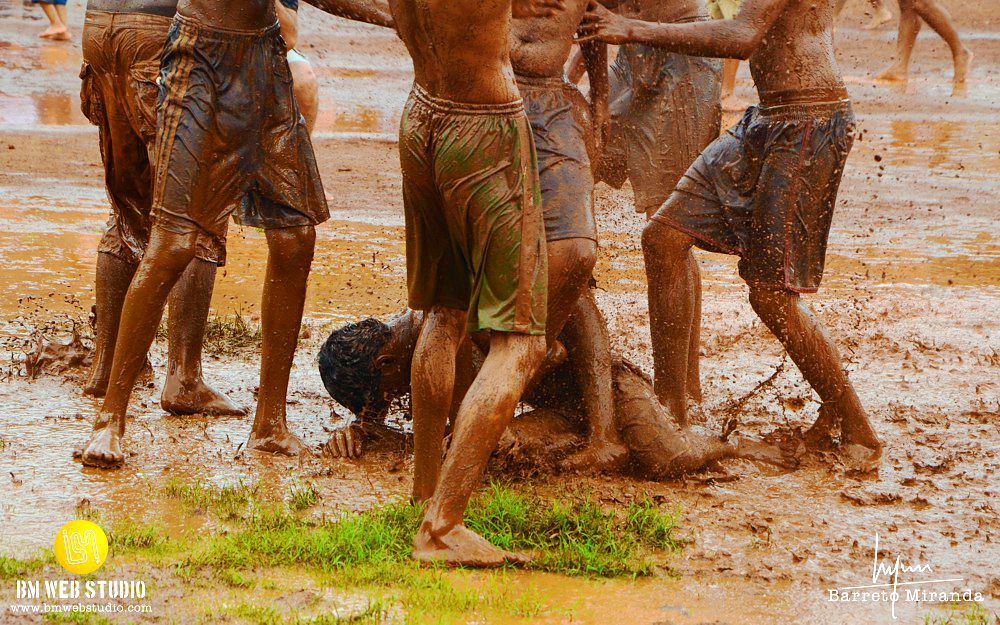
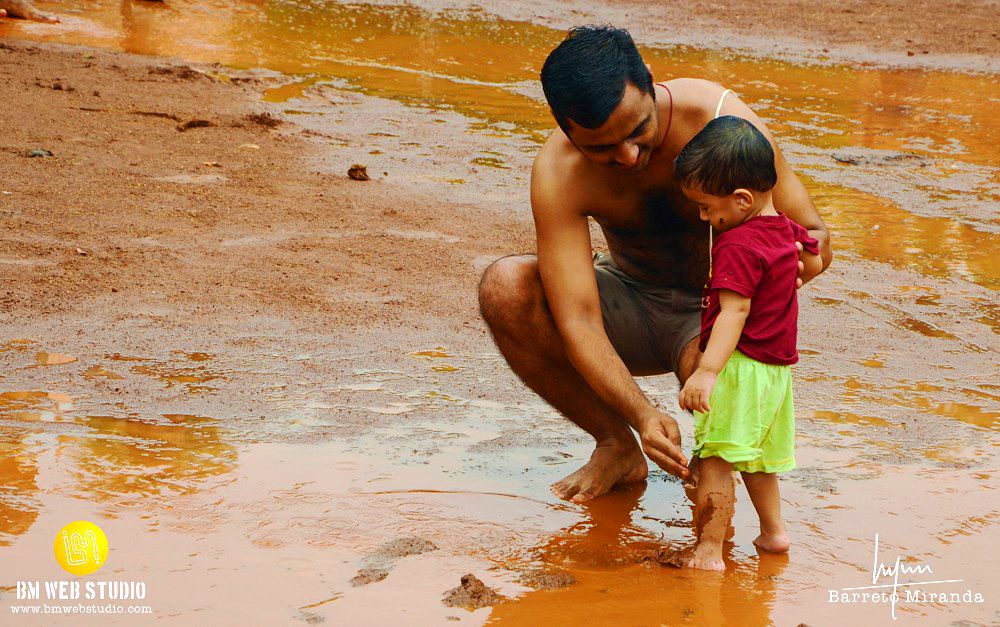
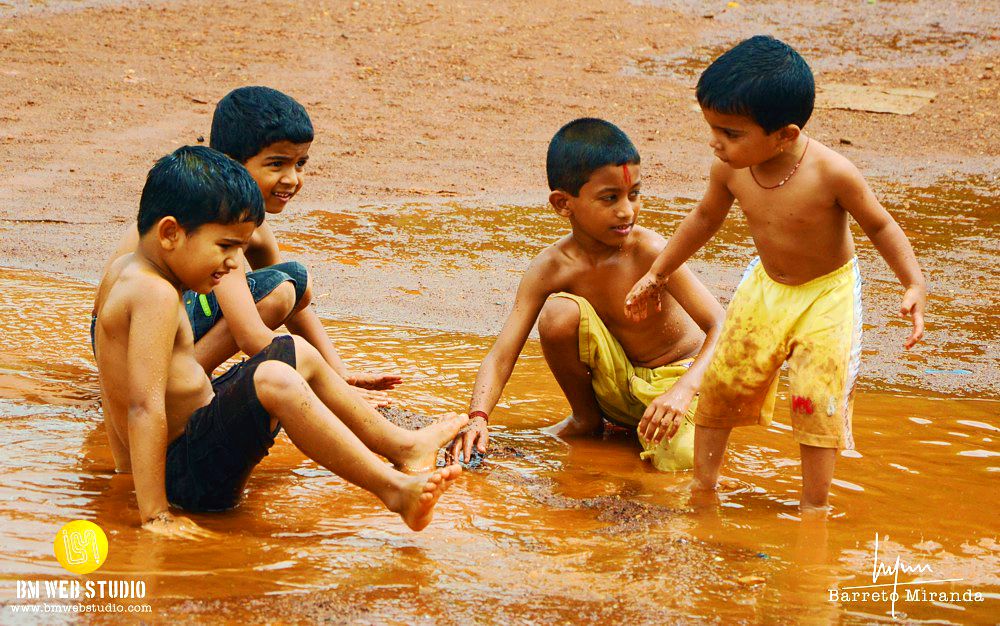
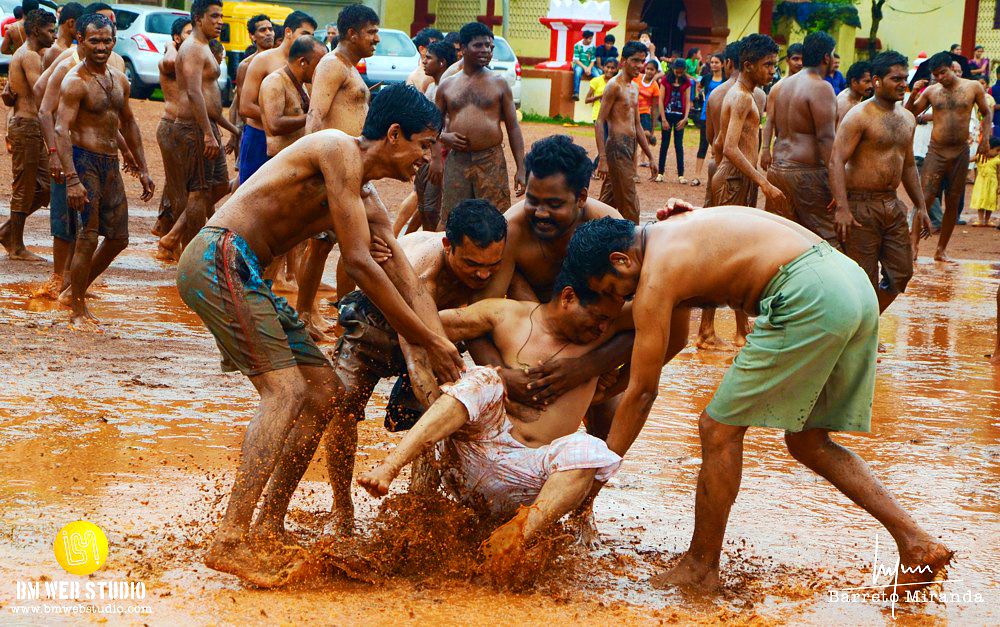

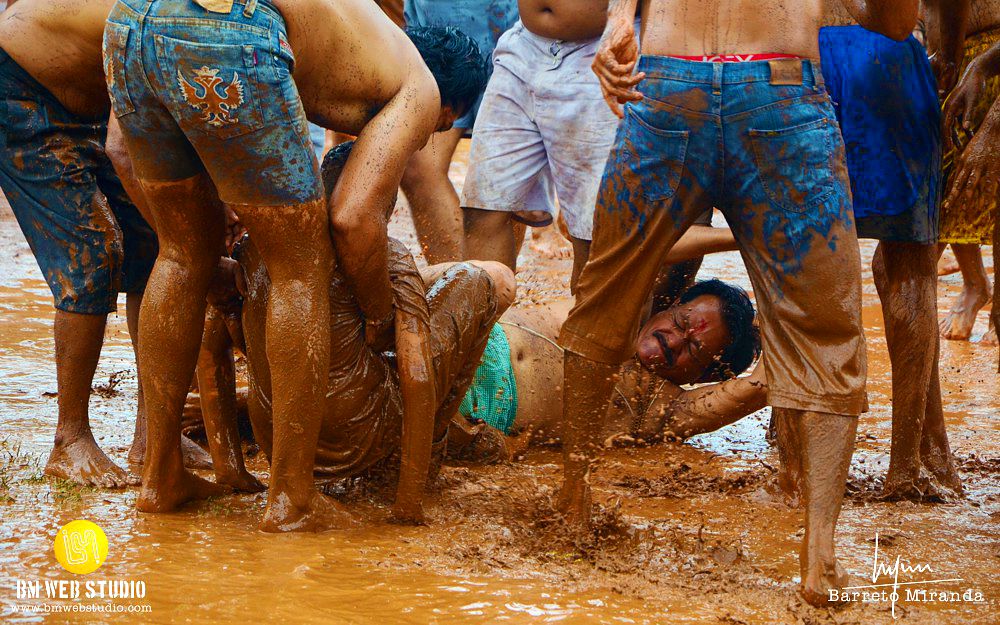
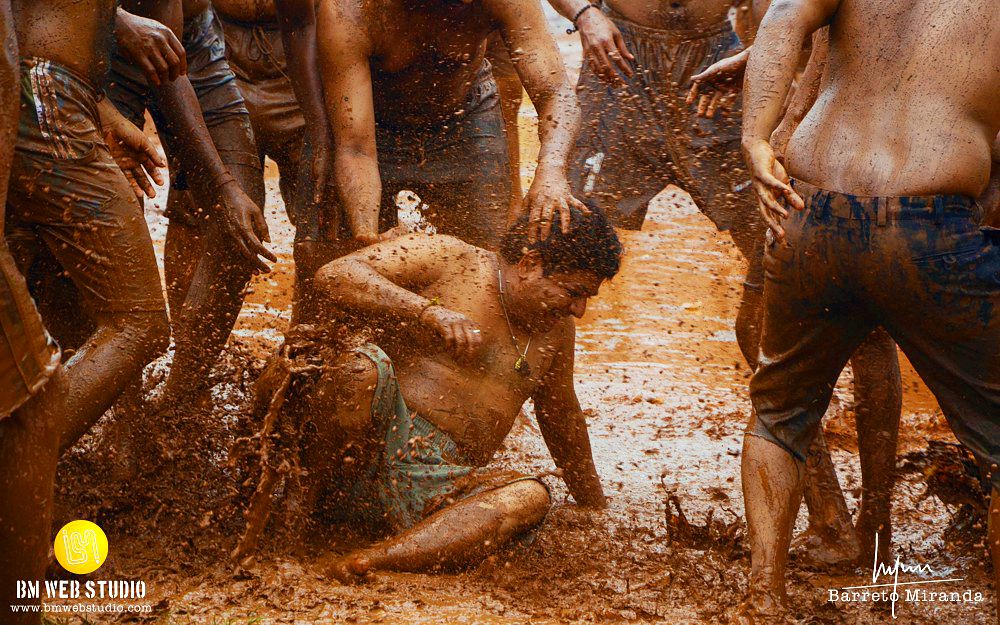
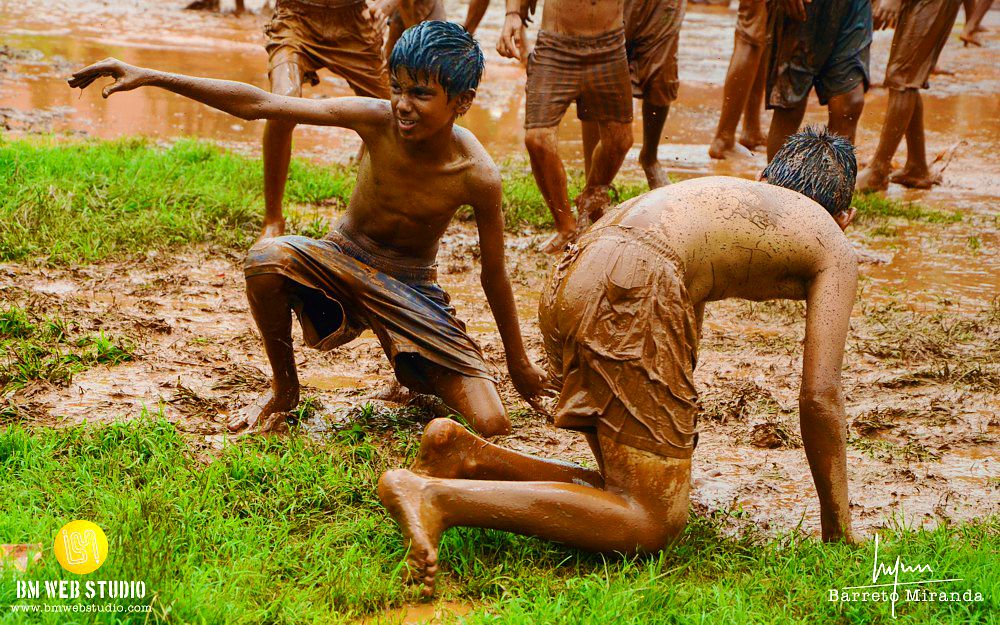

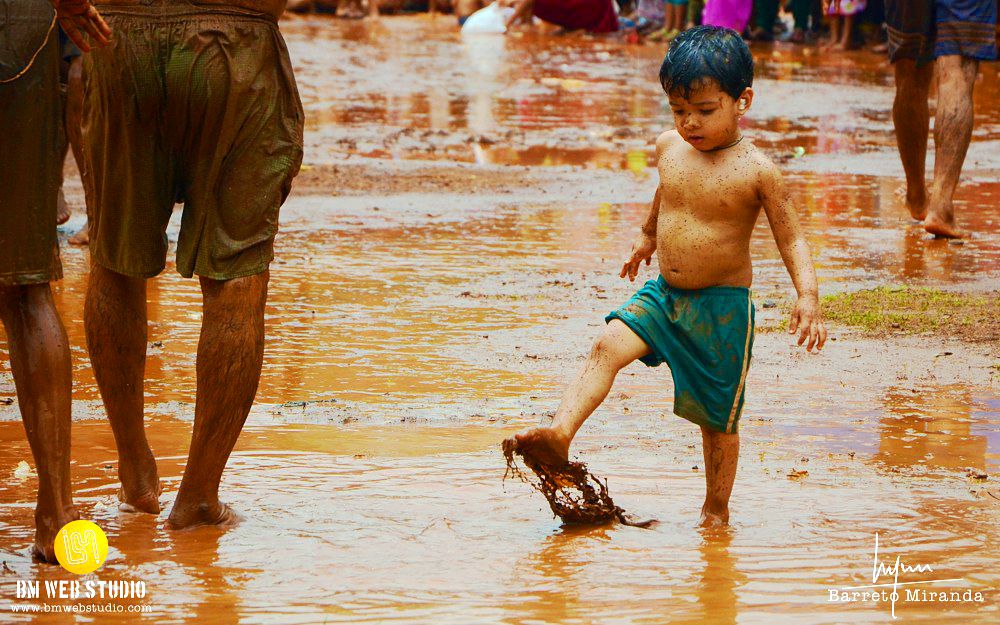
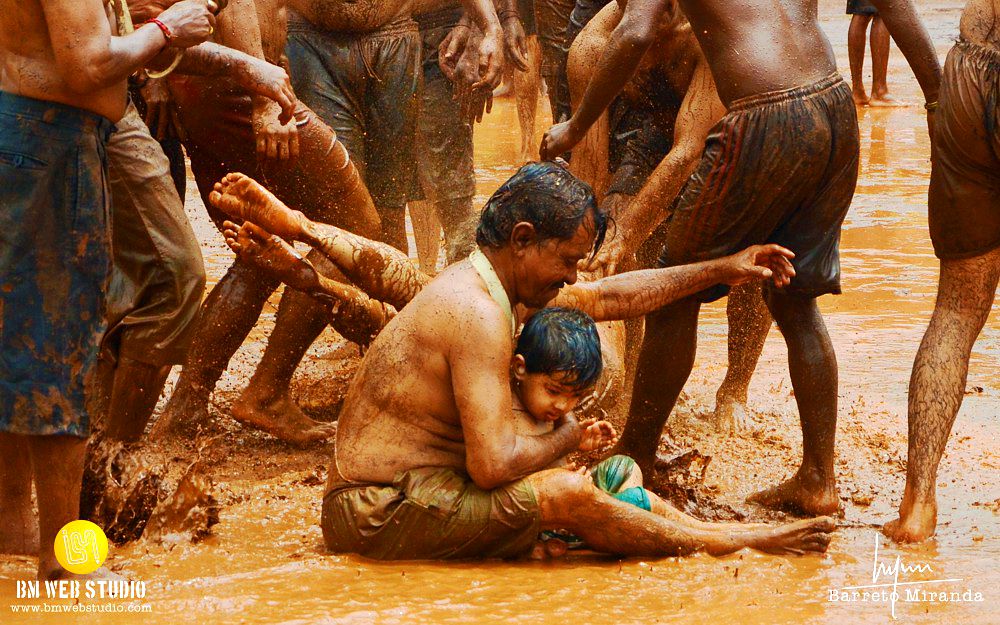
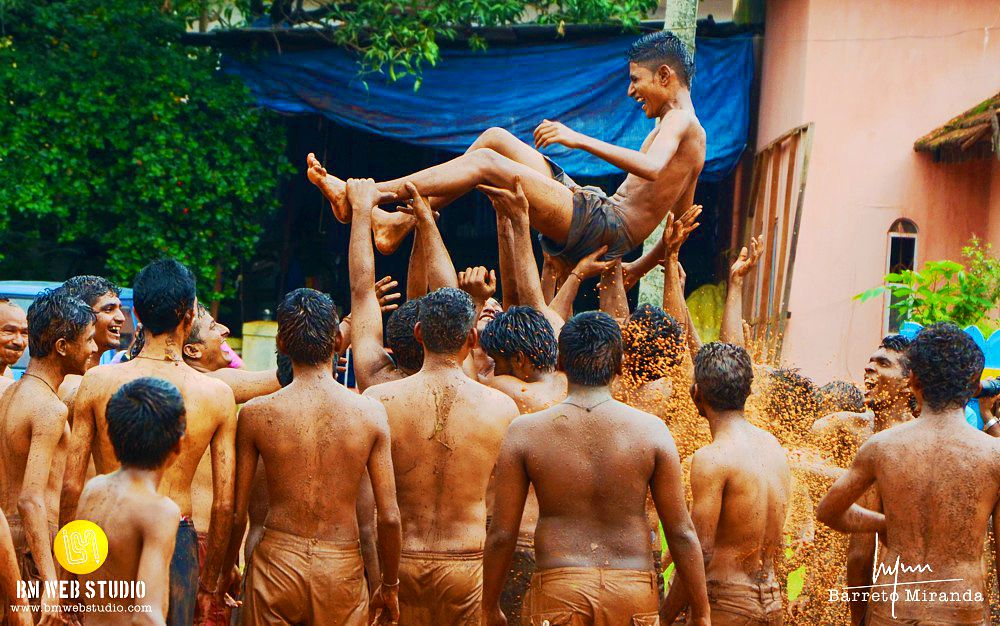
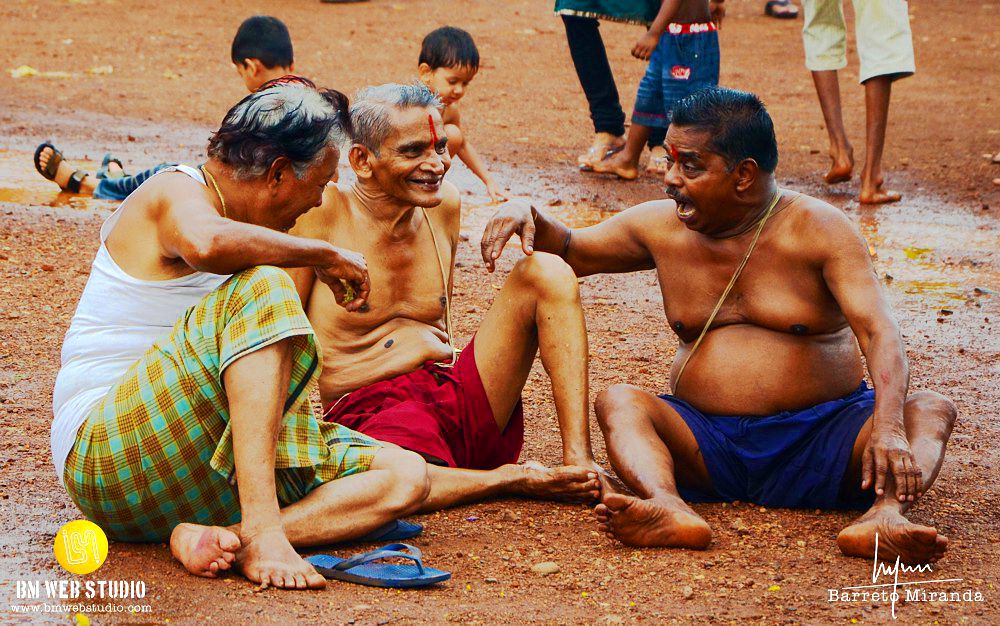
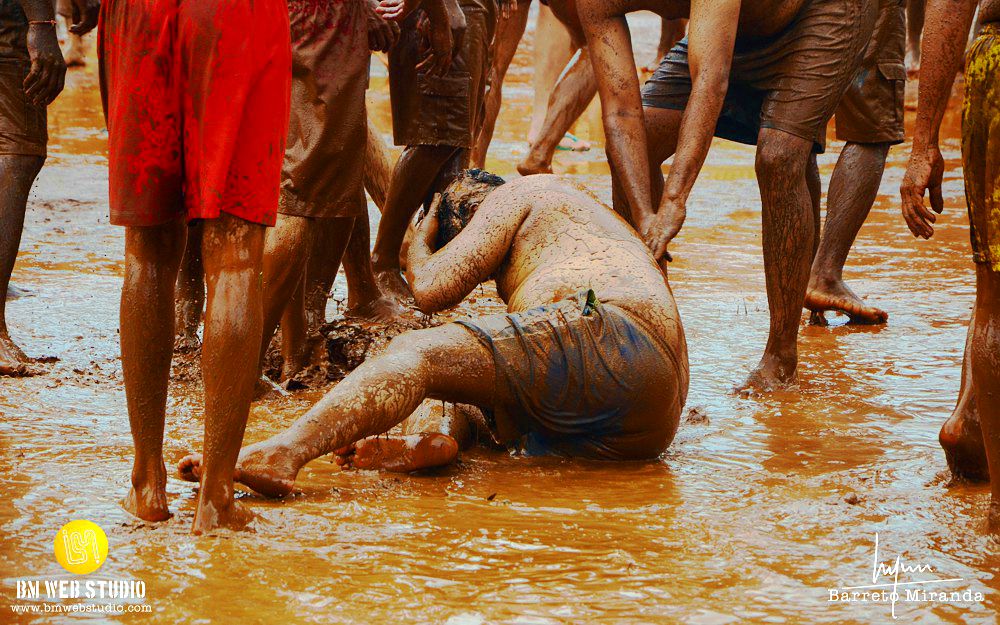
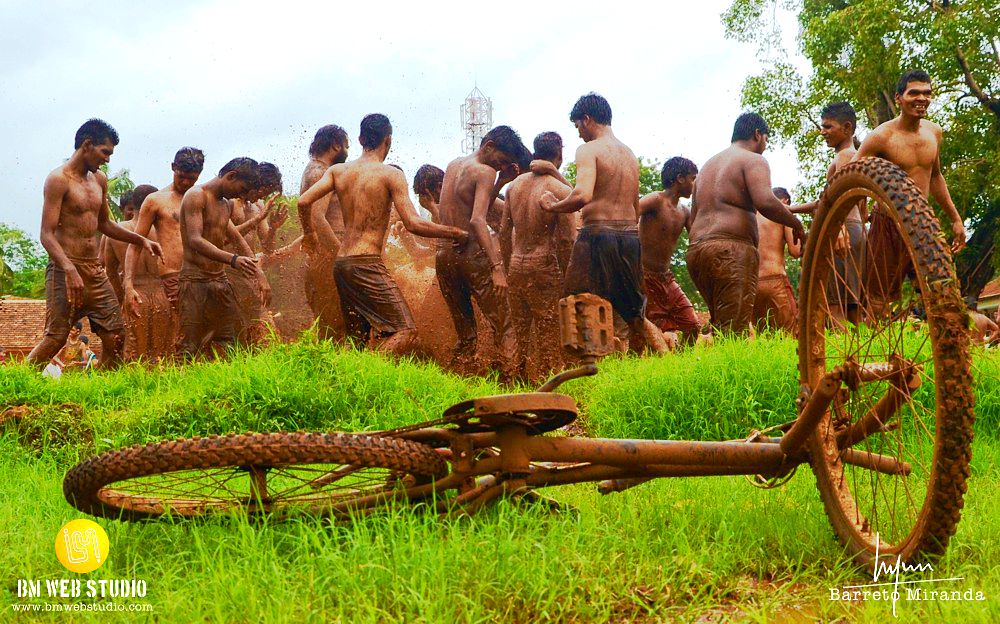
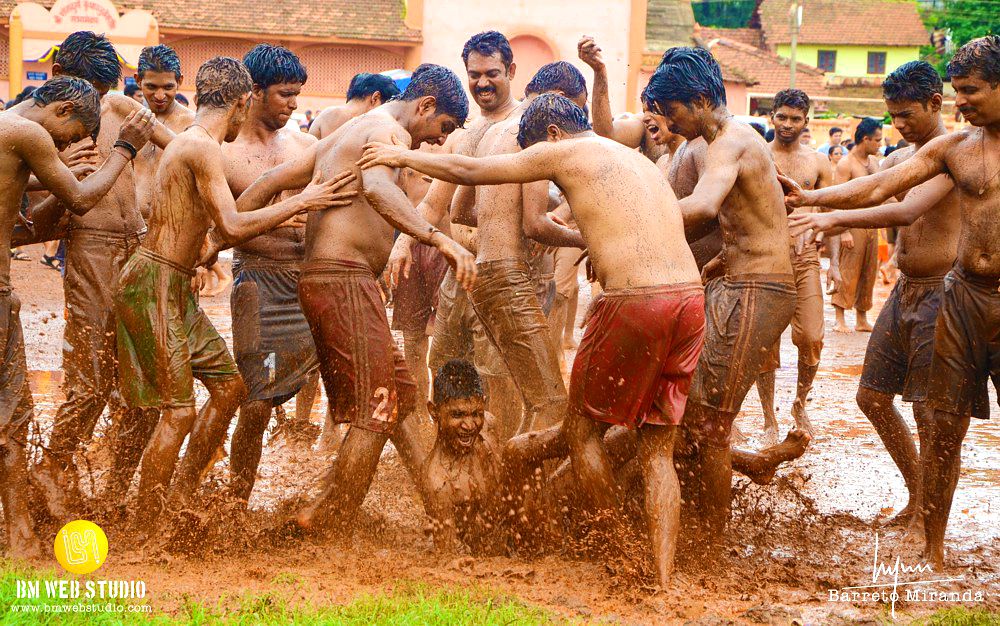
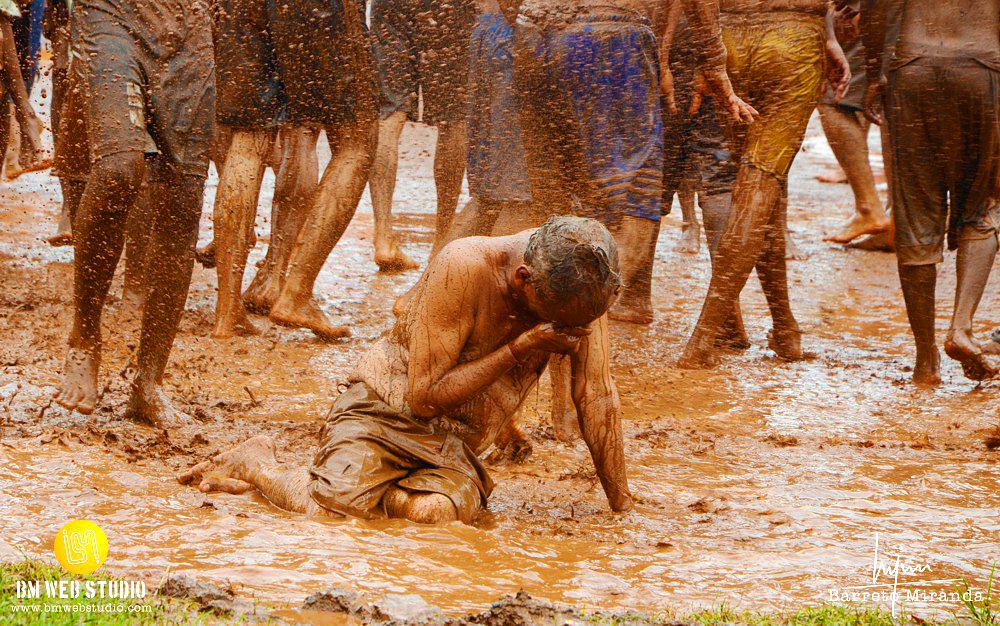
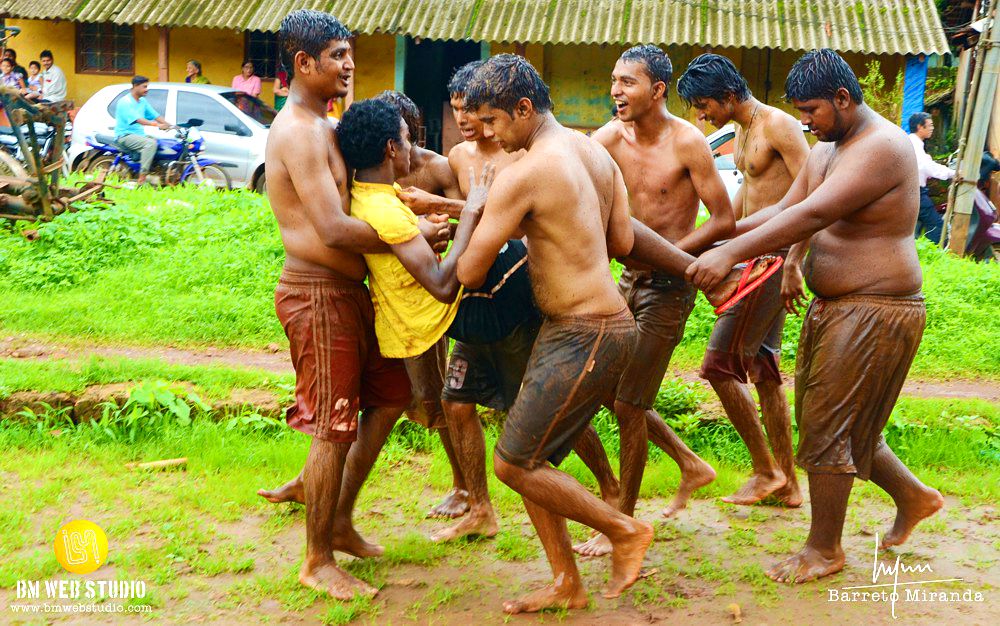
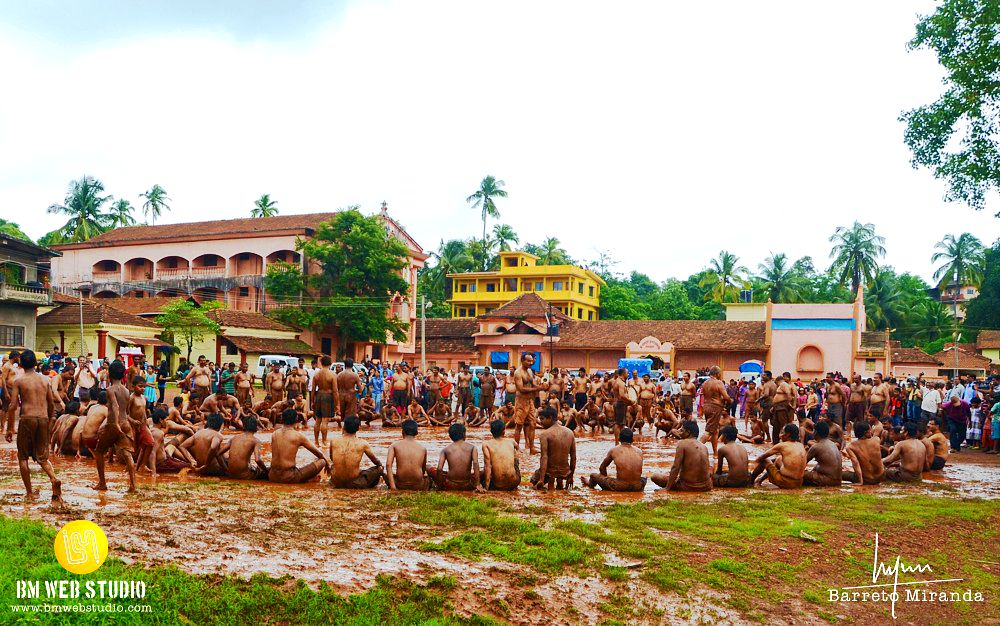
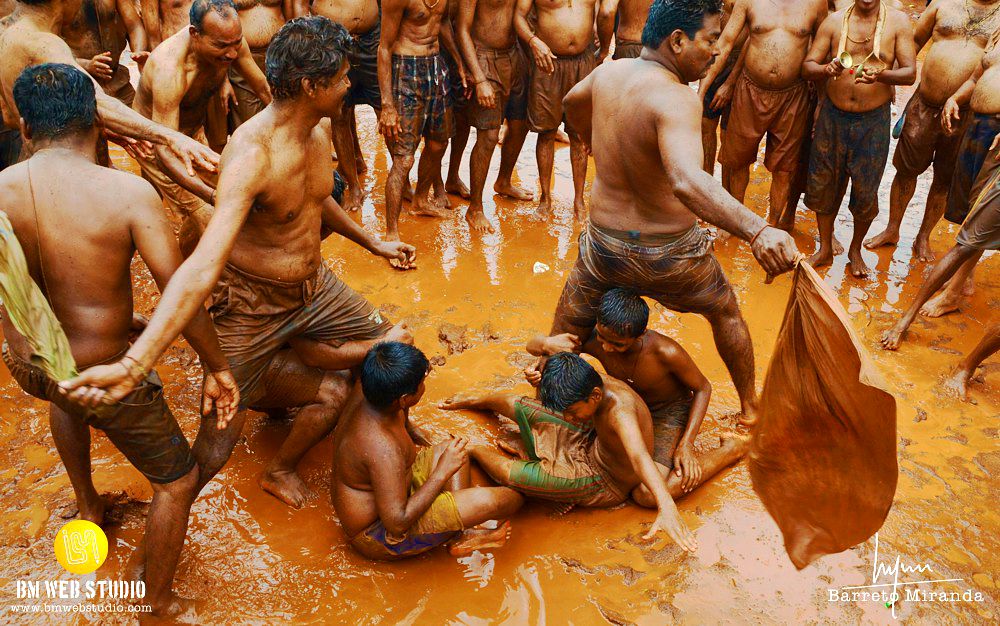
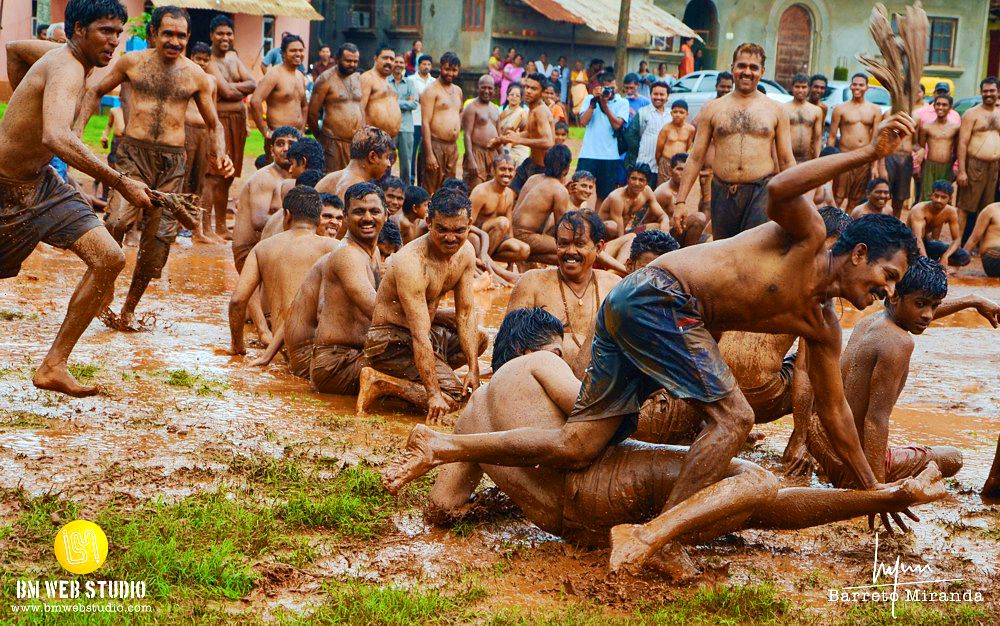
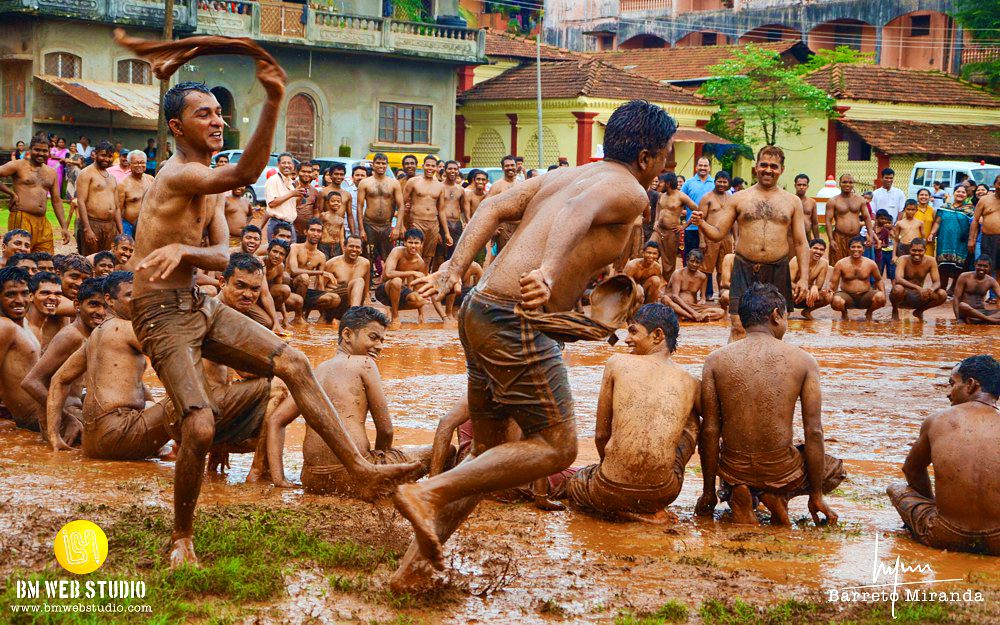
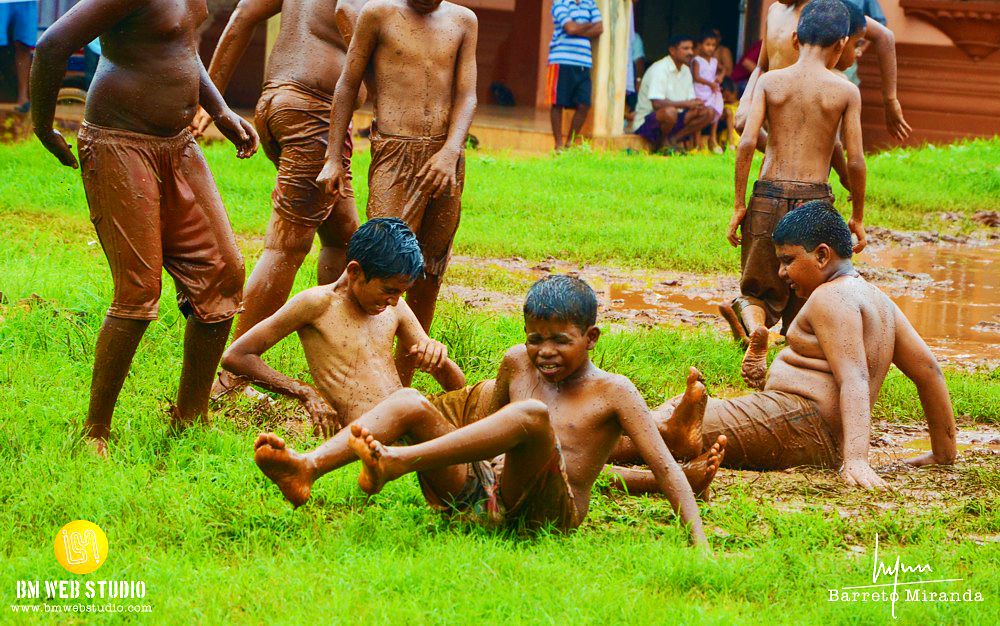
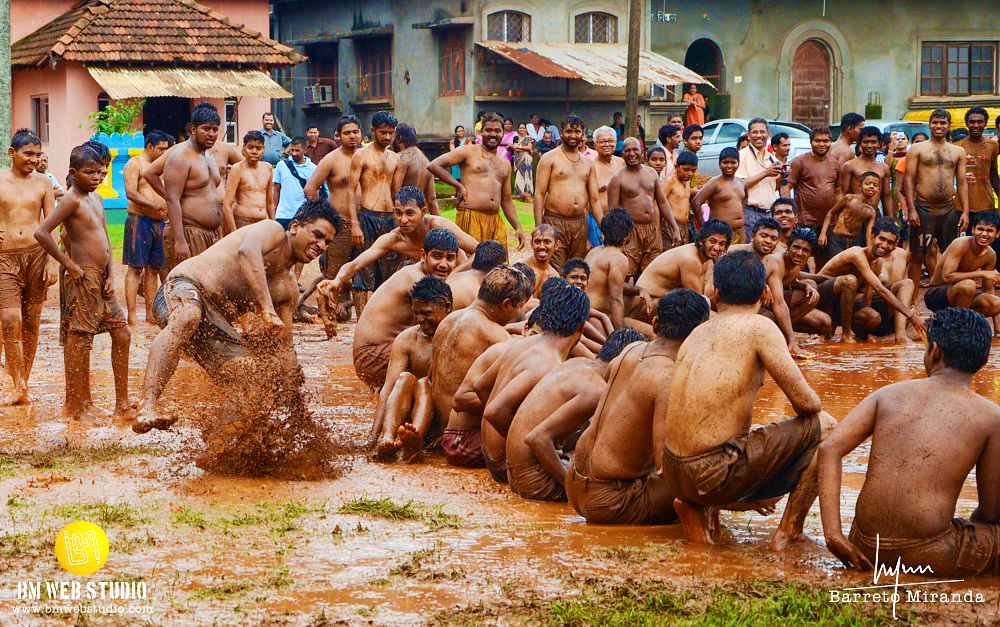
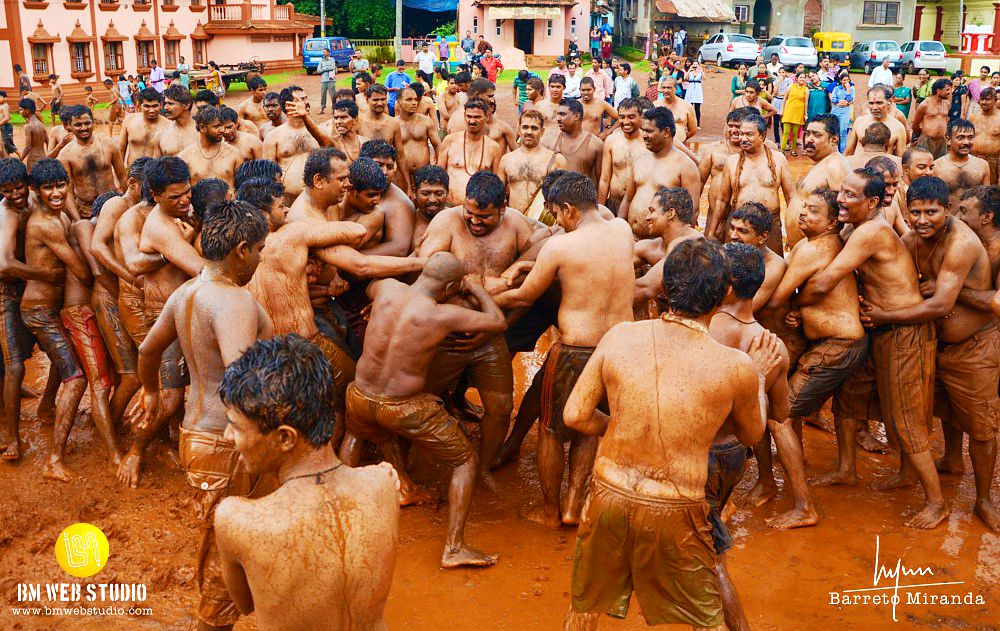



When the monsoon clouds gather over Goa and the earth turns soft beneath steady rain, the village of Marcel in Ponda prepares for one of the state’s most joyful and unusual celebrations. Here, faith sheds its formality, devotion becomes play, and the rains transform the temple courtyard into a field of laughter and mud. This is Chikhal Kalo—literally “mud play”—a festival that blends mythology, community, and the exuberant spirit of the monsoon.
Celebrated at the historic Devaki–Krishna Temple in Marcel on the twelfth day of the Hindu month of Ashadh, Chikhal Kalo honours Krishna in his childhood form, Balkrishna. The festival draws inspiration from stories of the young Krishna frolicking with his friends in the muddy fields of Vrindavan. In Marcel, that playful spirit is recreated each year as villagers joyfully immerse themselves—quite literally—in the mud.
The tradition is closely linked to the temple itself, whose idol of Devaki–Krishna is believed to have originally come from Chorao Island in Tiswadi. During the Portuguese rule in Goa, when many Hindu temples faced destruction, the idol was secretly moved inland to Marcel for safekeeping. Over time, the village became a centre of devotion, and the festival of Chikhal Kalo evolved as a vibrant expression of gratitude and celebration.
The festivities begin a day earlier with the saptak—a continuous singing of devotional hymns that echoes through the temple halls through the night. By the following morning, the air is charged with anticipation. As the chanting concludes, villagers gather in the temple courtyard and invoke the local folk deity Dad Sakhal. The rhythmic beat of drums, the clash of cymbals, and chants of “Jai Hari Vitthal!” rise above the sound of rain.
Then comes the moment everyone awaits.
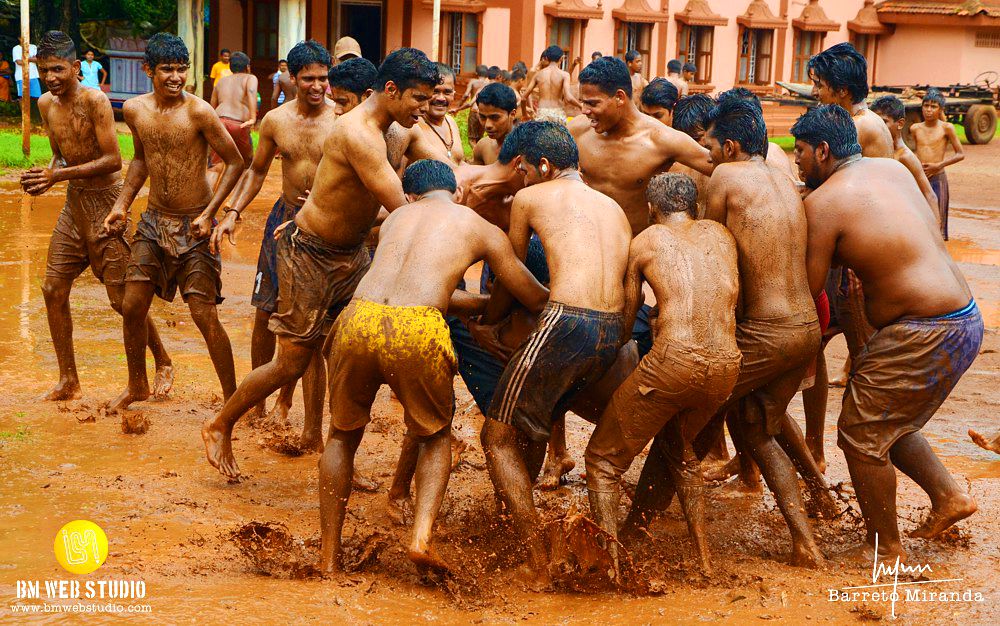
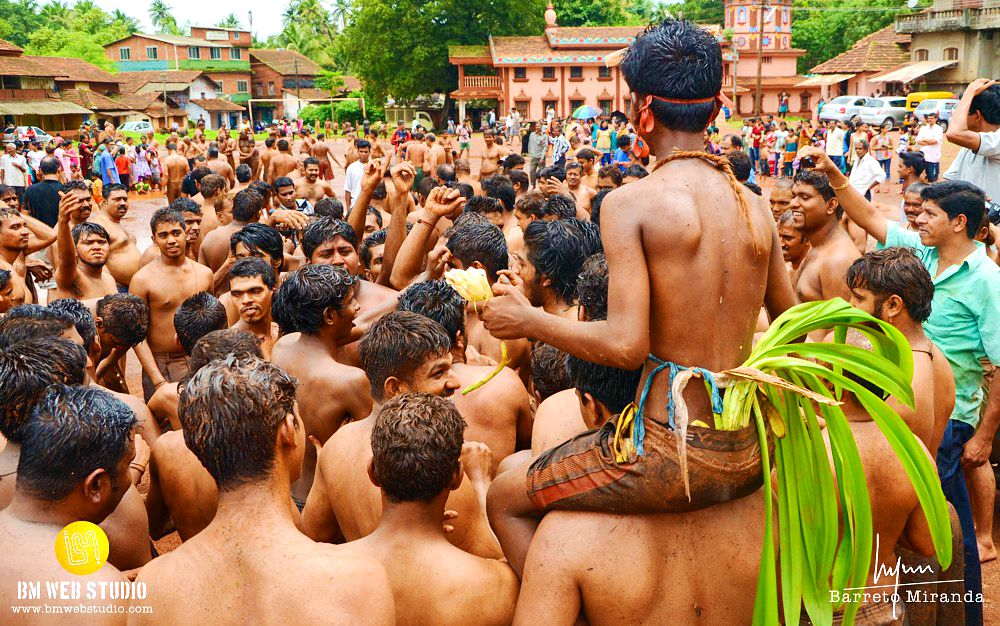
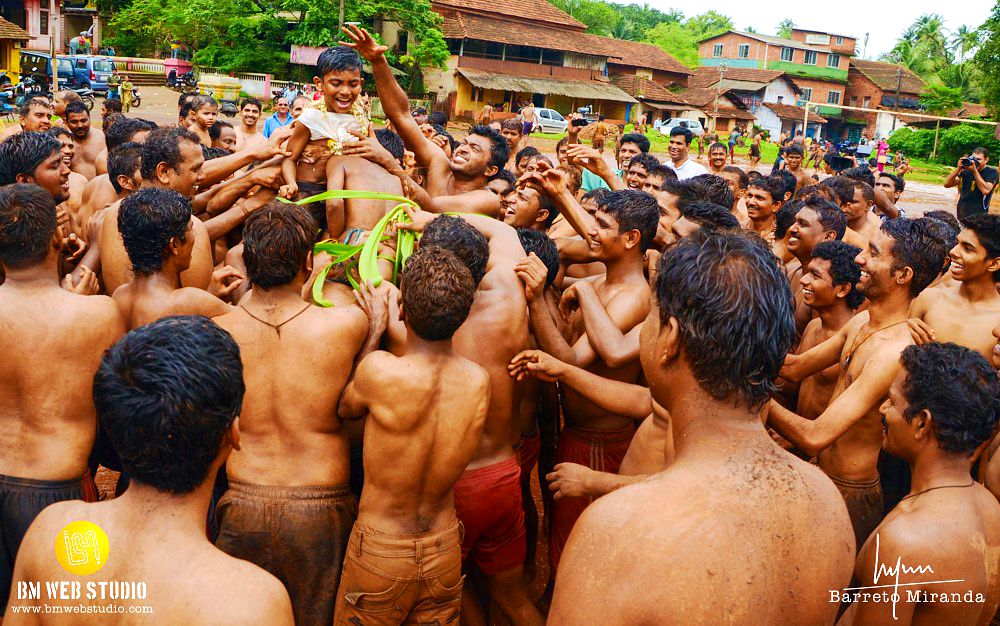
Participants smear oil on their bodies—traditionally drawn from a large brass temple lamp—and, clad only in simple lower garments, step into the muddy ground outside the temple. What follows is an unrestrained burst of energy and camaraderie. Young and old alike slide, tumble, and wrestle in the monsoon-soaked earth, playing traditional games while devotional songs and chants fill the air.
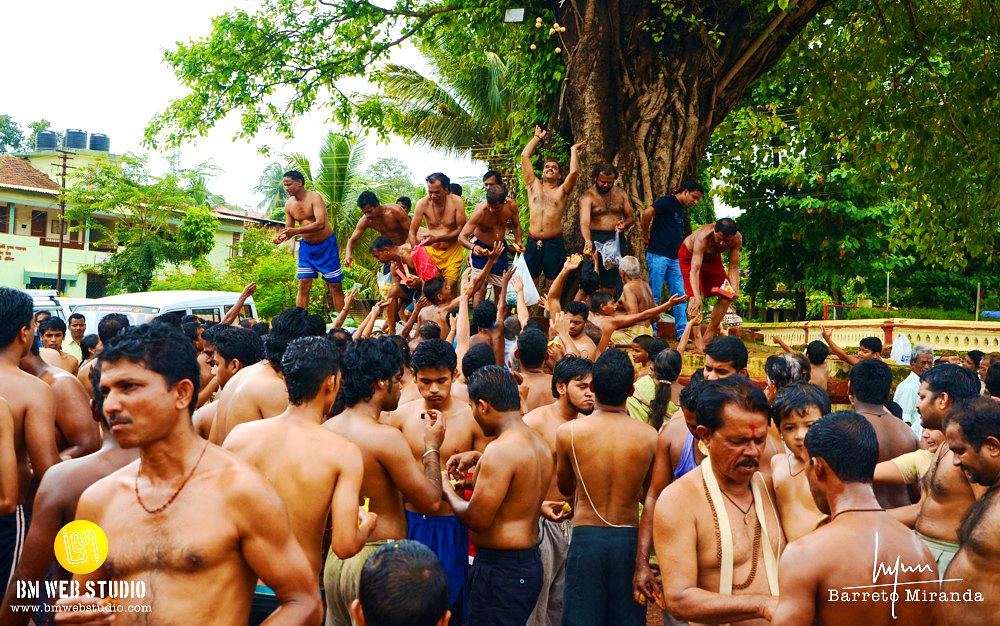
From the raised platform beneath the temple’s ancient peepal tree, devotees toss sweets into the muddy crowd—puran polis, bananas, and laddoos. Catching them amid the slippery chaos becomes a game in itself, drawing cheers and laughter from onlookers. Friends gleefully smear mud on one another, while reluctant spectators are often dragged in to join the merriment.
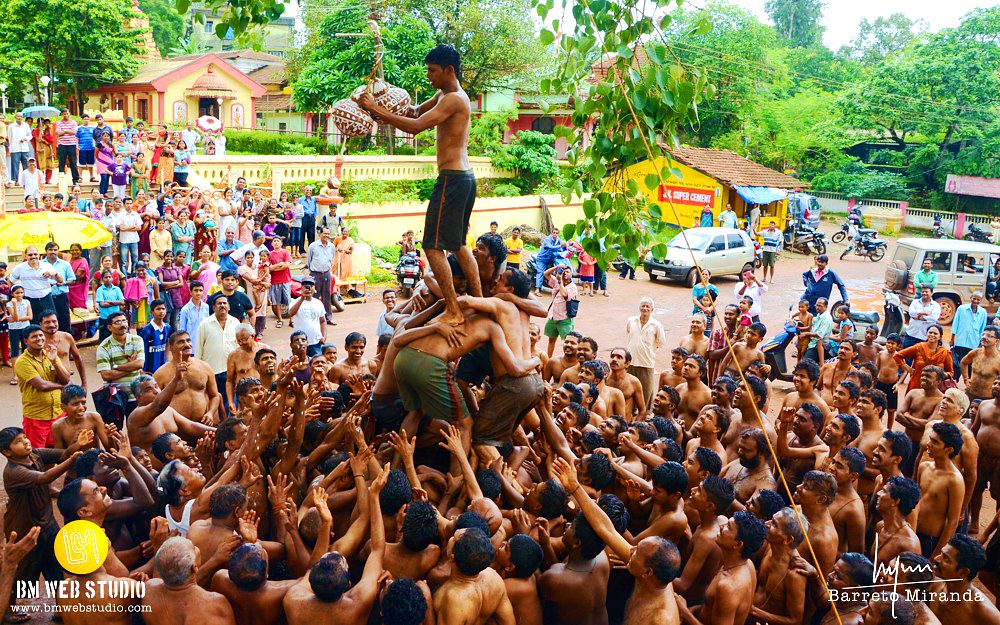
The climax arrives with a scene reminiscent of Krishna’s playful exploits. A group of energetic youngsters forms a human pyramid beneath a clay pot of butter suspended from a branch of the peepal tree. Amid cheers and drumbeats, the pot is finally broken, showering the participants below and signalling the joyous finale of the celebration.
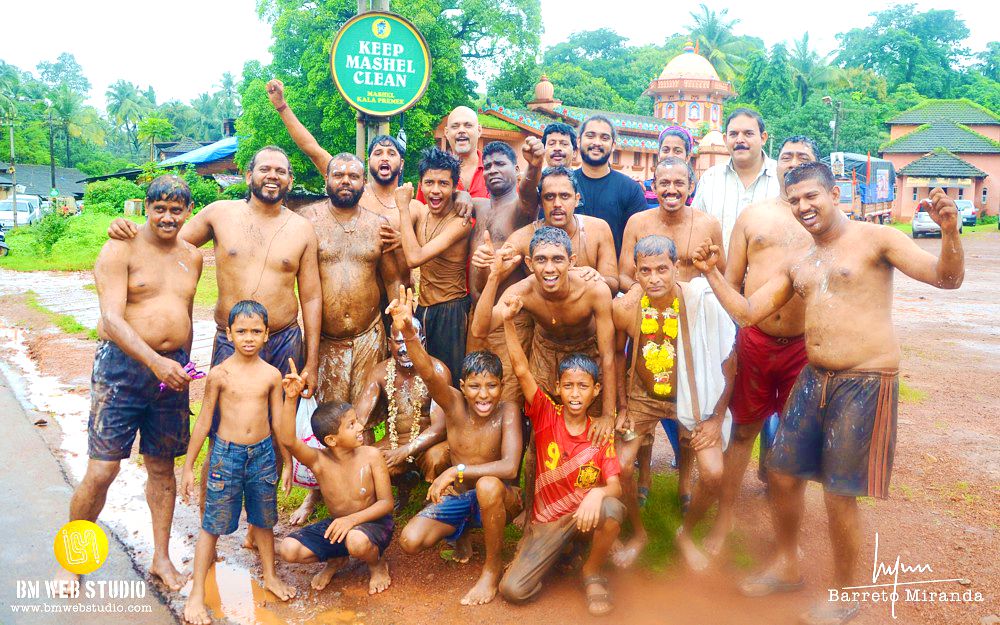
Yet beyond the exuberance and spectacle, Chikhal Kalo carries a deeper meaning. In the mud, social differences dissolve. Villagers laugh together, sing together, and celebrate together—reminding everyone that festivals are as much about community as they are about faith.
As the rain continues to fall over Marcel and the muddy courtyard slowly empties, the echoes of laughter linger in the air. In that moment, Chikhal Kalo stands as a delightful reminder that sometimes devotion is best expressed not with solemn rituals, but with the carefree joy of a child playing in the rain.
Photos by Lynn Barreto Miranda / lynn.barretomiranda.com

Scan the code for directions.

website designed by lynn
goa / ph: 9822151419