
São João in Siolim: When Goa Leaps Into the Monsoon
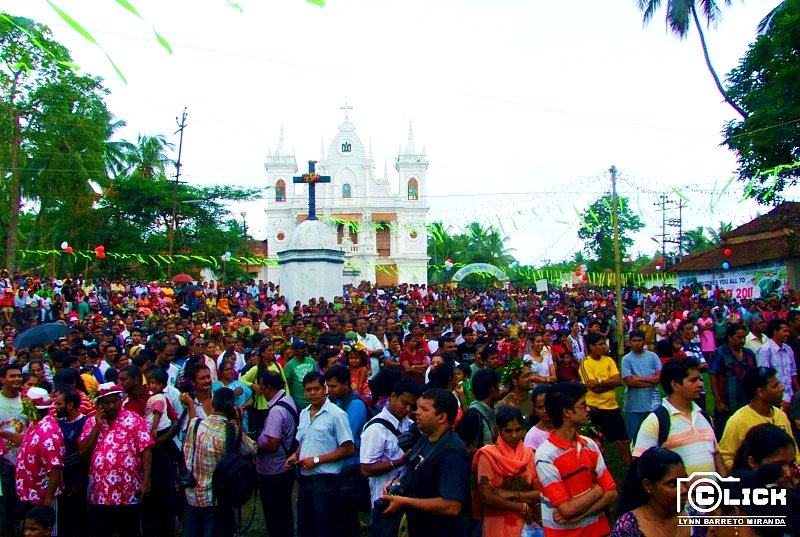
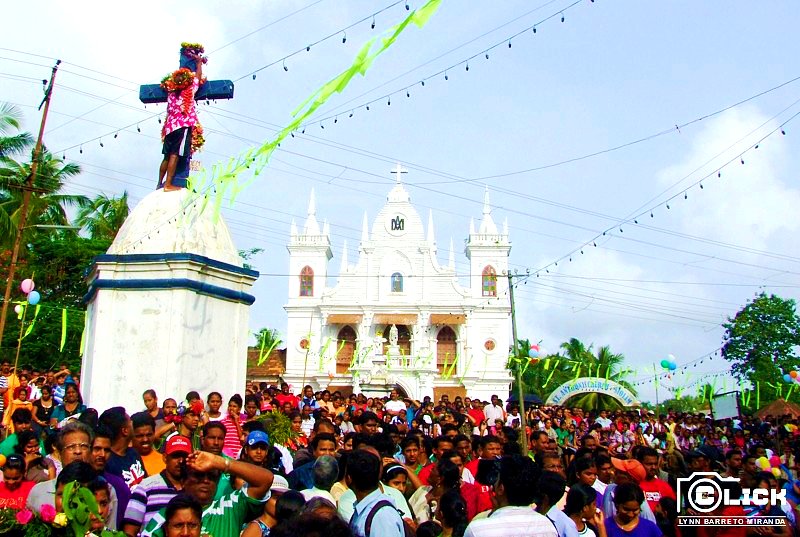
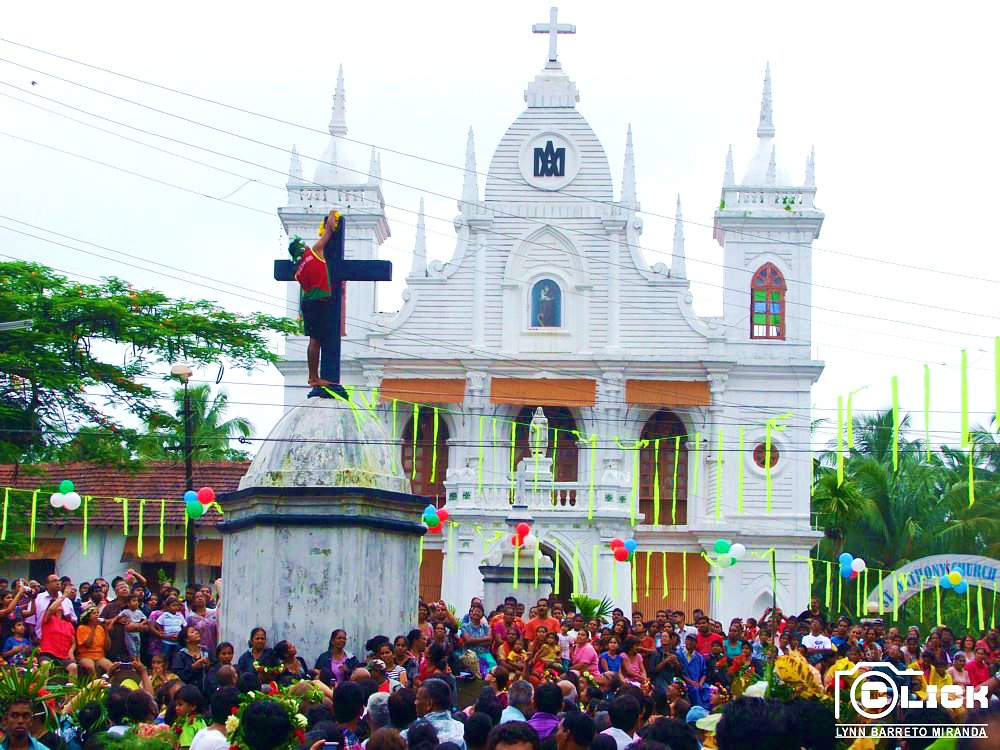
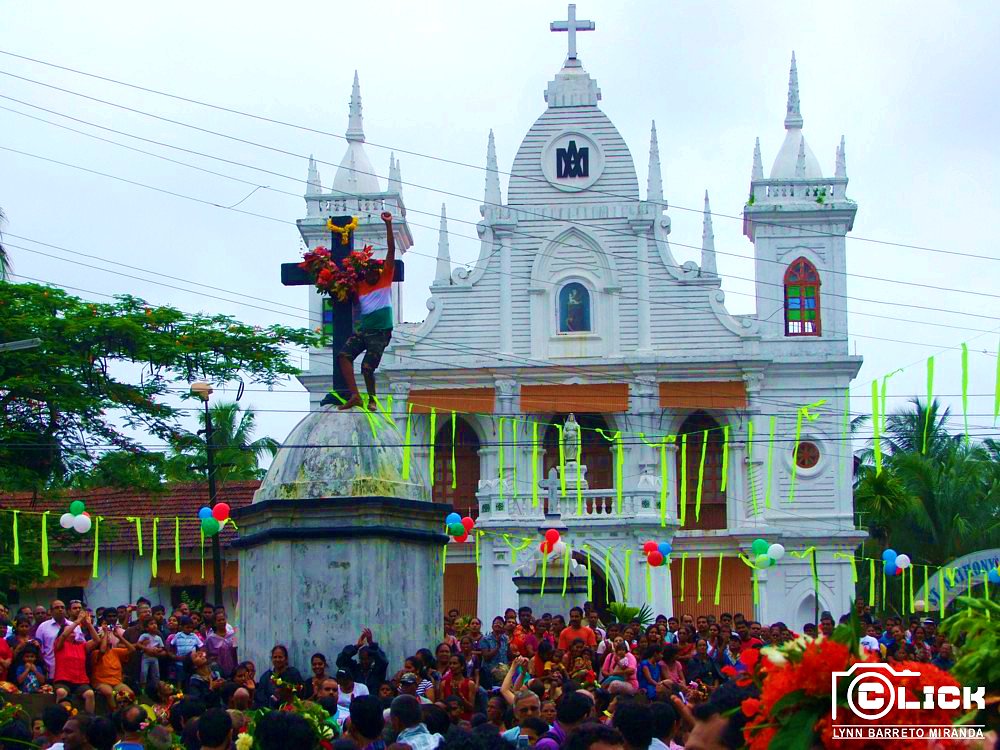


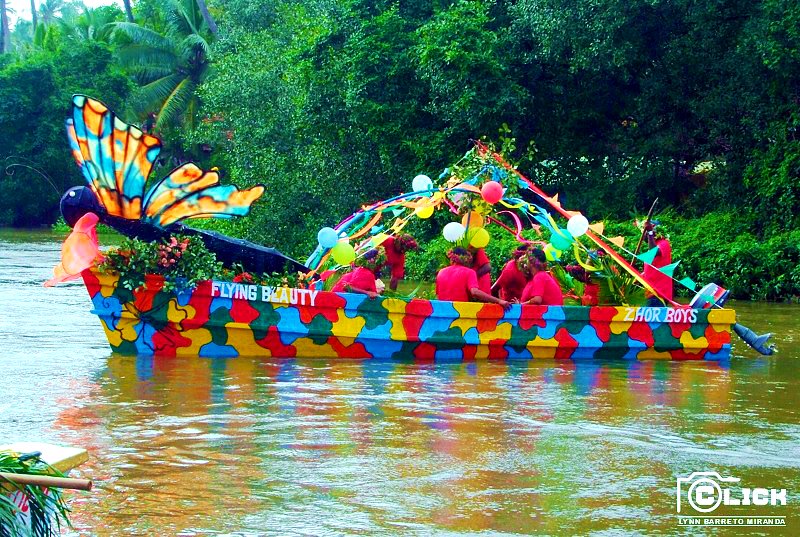
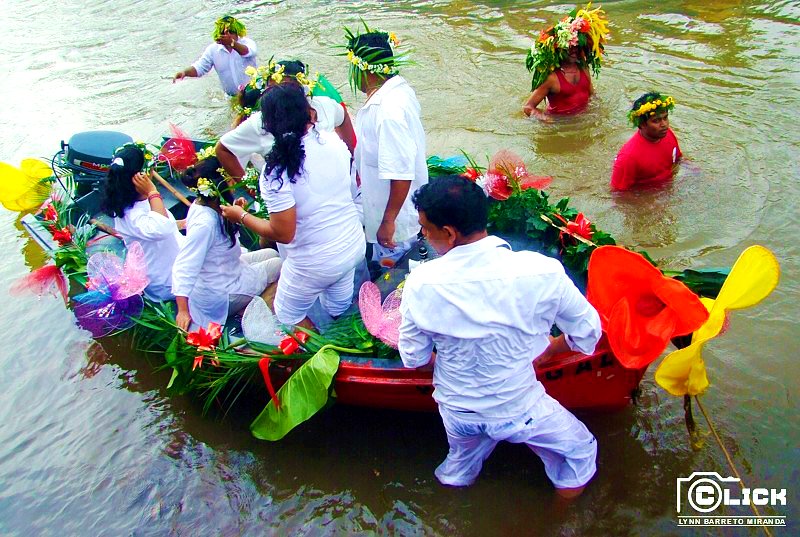
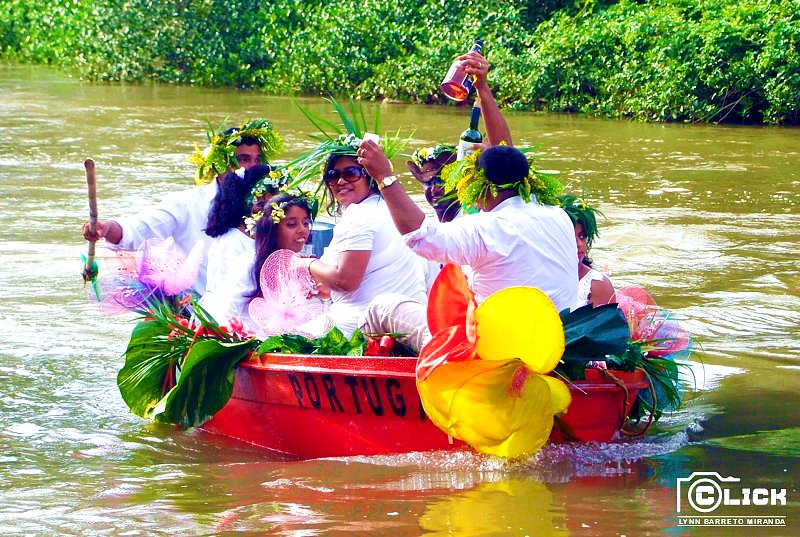
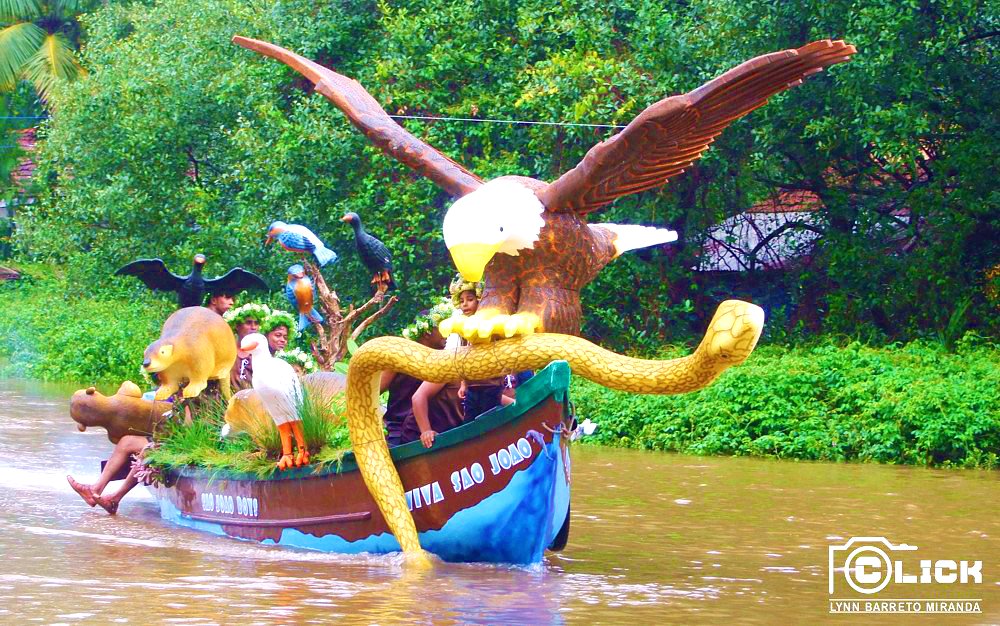
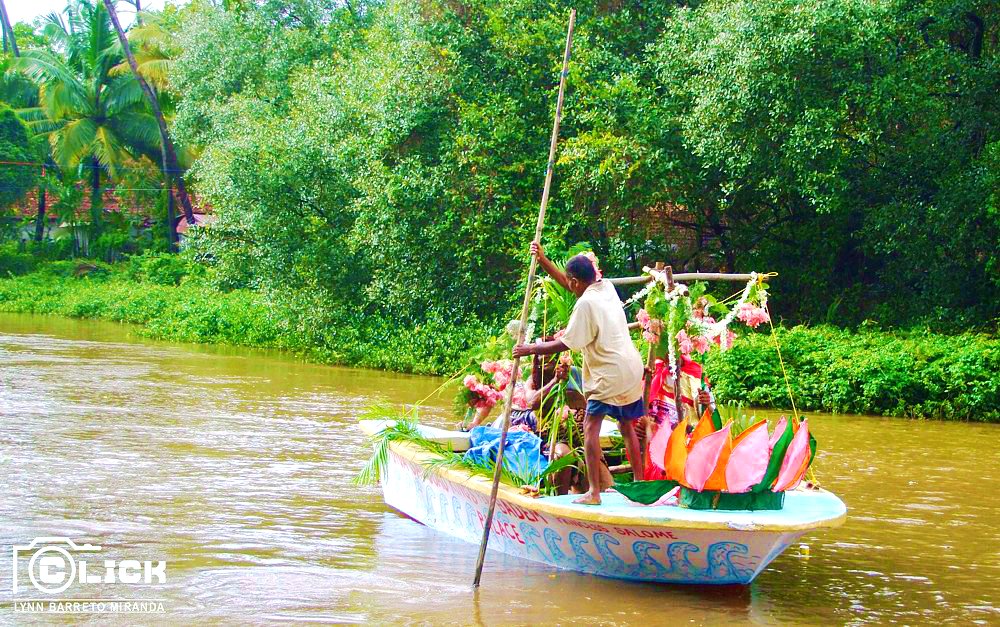
The first true rains of the monsoon do not merely fall in Goa — they transform it. Coconut palms sway against pewter skies, paddy fields deepen into luminous green, and the scent of wet earth rises like incense. And then, on 24 June, as the landscape shimmers under silver sheets of rain, villages across the state erupt in celebration. This is São João — the feast of St John the Baptist — when Goa does what it does best: it turns rain into rejoicing.
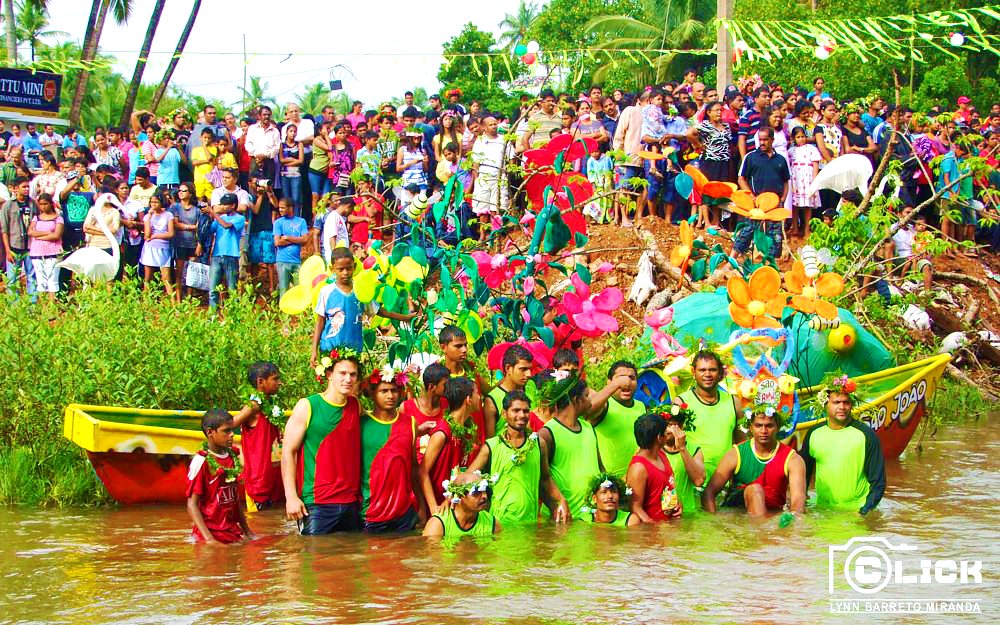
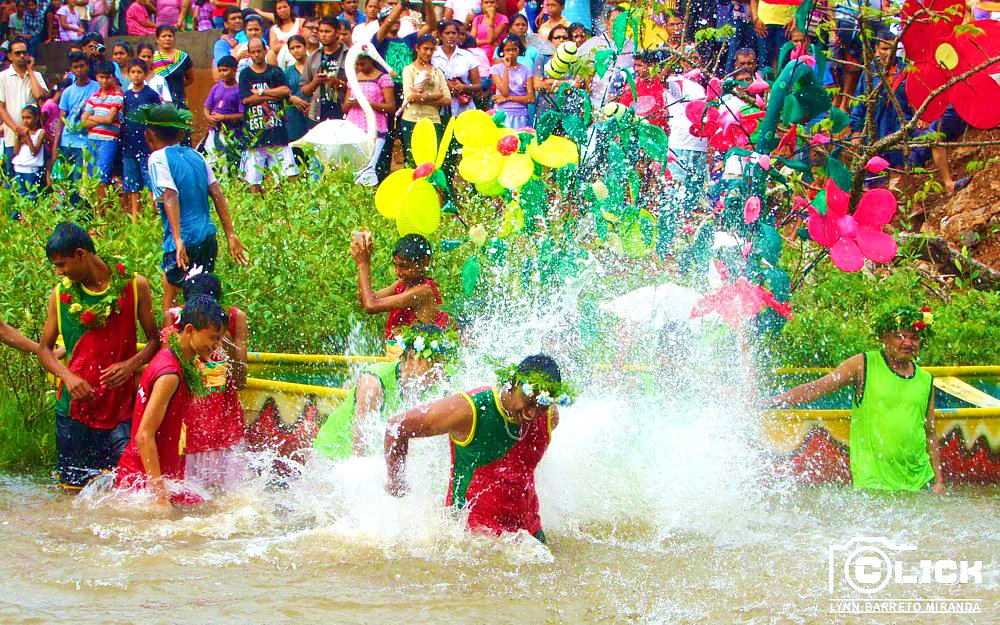
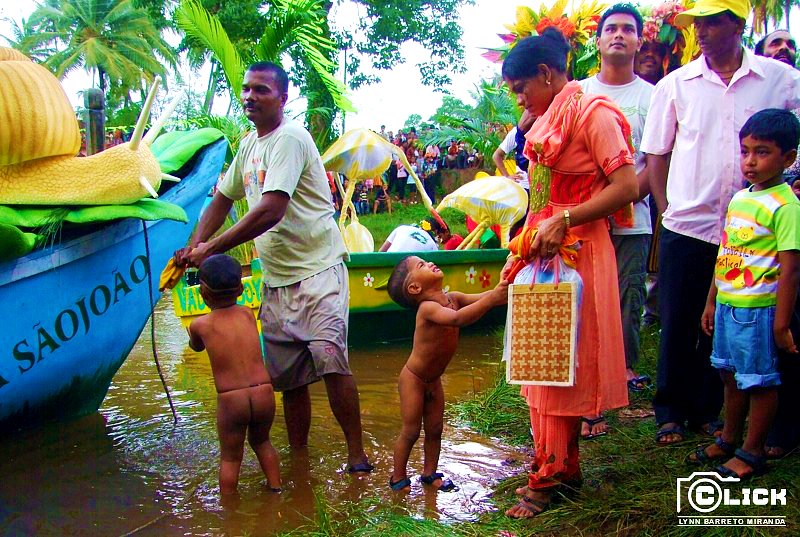
Across wells, ponds and rivers, young men gather at the water’s edge. Gifts are tossed in by family and friends — bottles of feni, fruit, tokens of affection — and with whoops of laughter they plunge in after them. They surface triumphant, dripping and jubilant, to applause and playful cheers. In Goa, the monsoon is never an inconvenience. It is an invitation.
Rooted in Christian scripture, São João commemorates the moment when St John the Baptist leapt in his mother Elizabeth’s womb upon learning she would bear the forerunner of Christ. John would later baptise Jesus in the River Jordan. In Goa’s symbolic retelling, the well becomes Elizabeth’s womb and the leap into water an act of devotional re-enactment. Over centuries, the observance has evolved from solemn ritual into one of the state’s most vibrant community festivals — where faith and festivity exist effortlessly side by side.
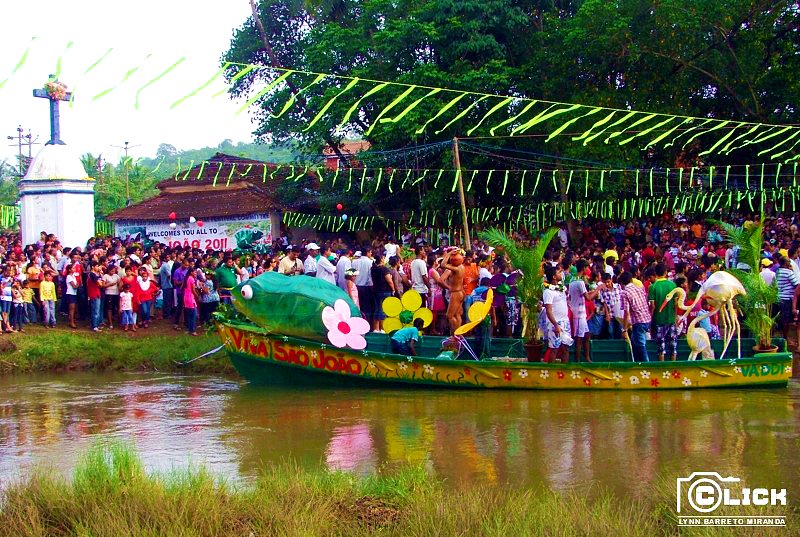
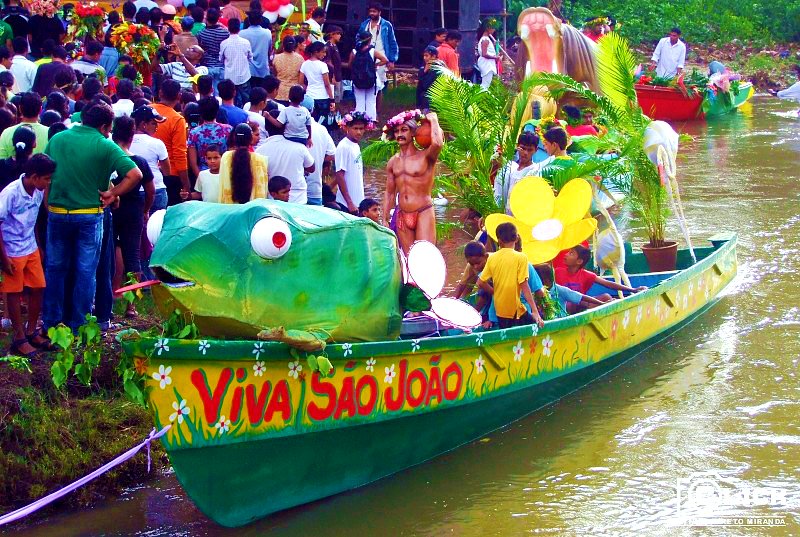
While São João is celebrated across Goa, it is in Bardez that the festival reaches its most exuberant expression. Villages such as Siolim, Anjuna, Assagao, Calangute and Candolim observe the feast with spirited enthusiasm. Yet it is Siolim that has become synonymous with the celebration, thanks to its iconic boat parade along the Chapora River.
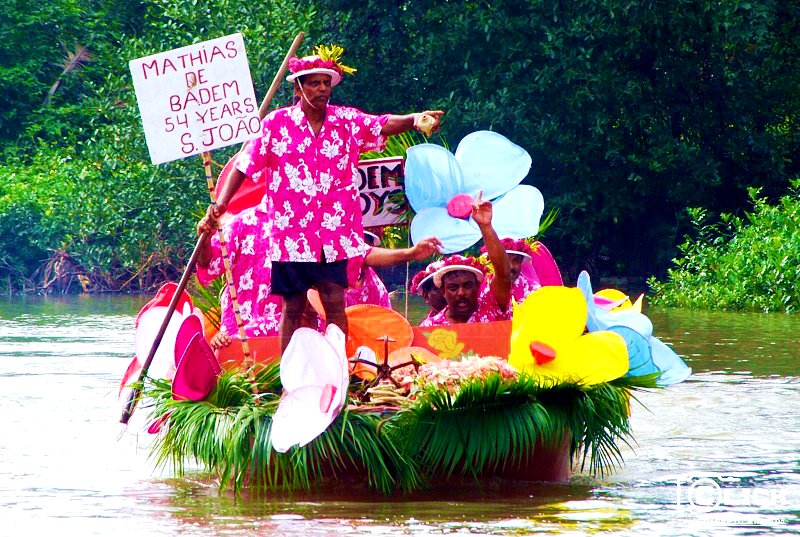
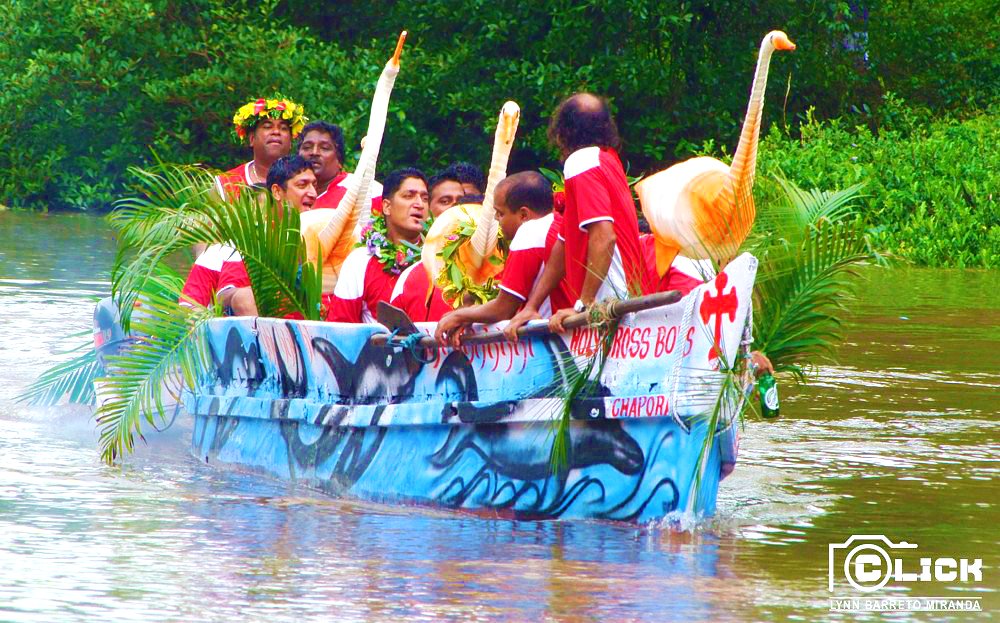
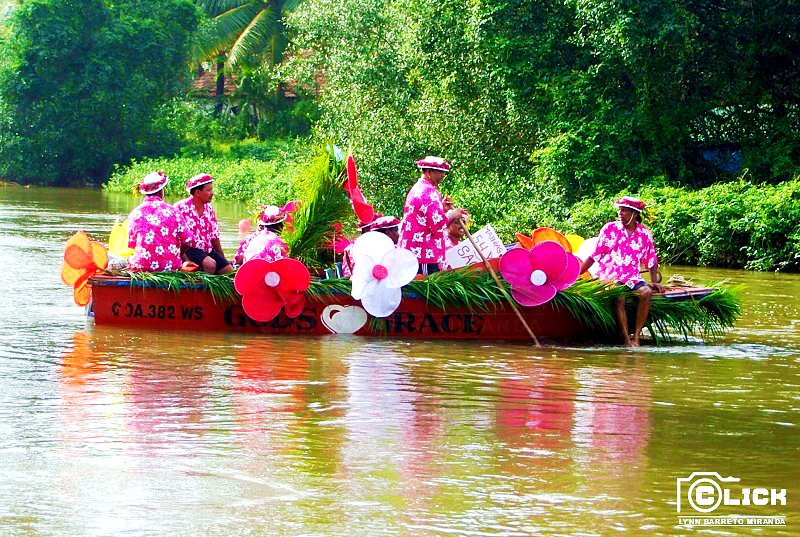
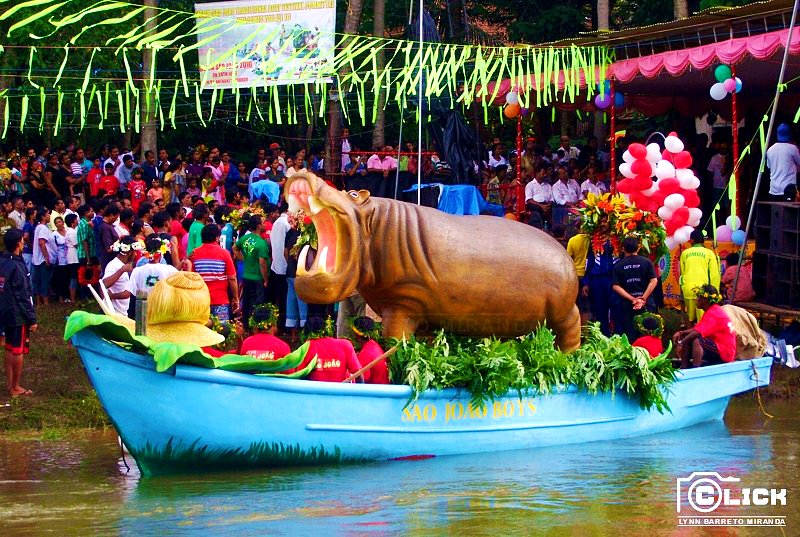
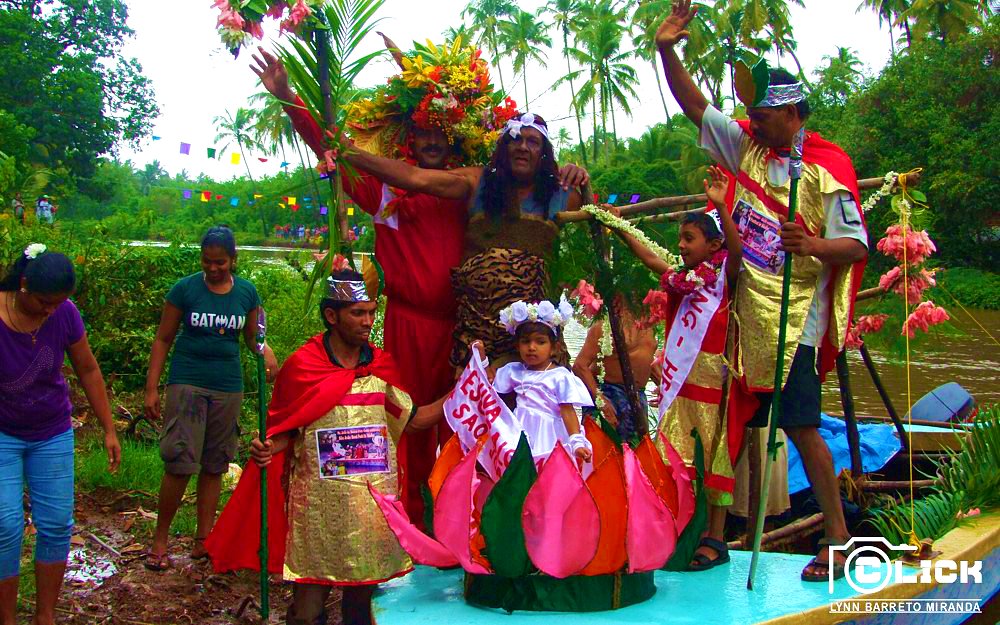
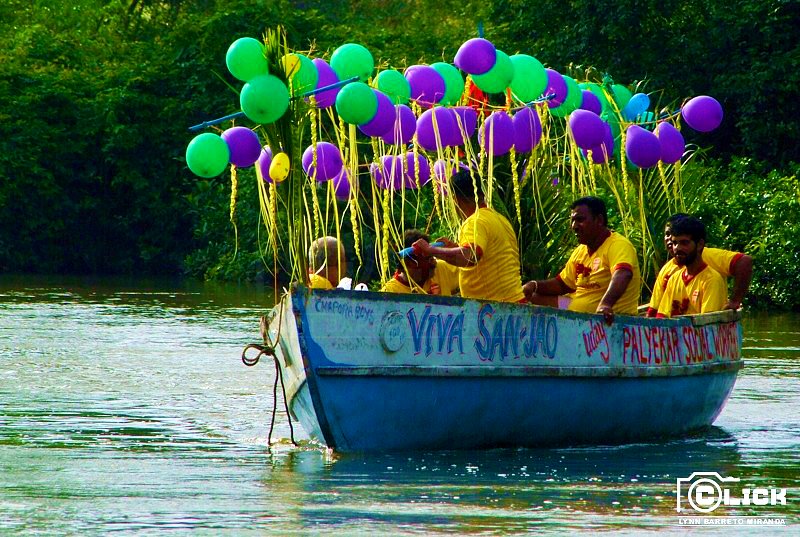
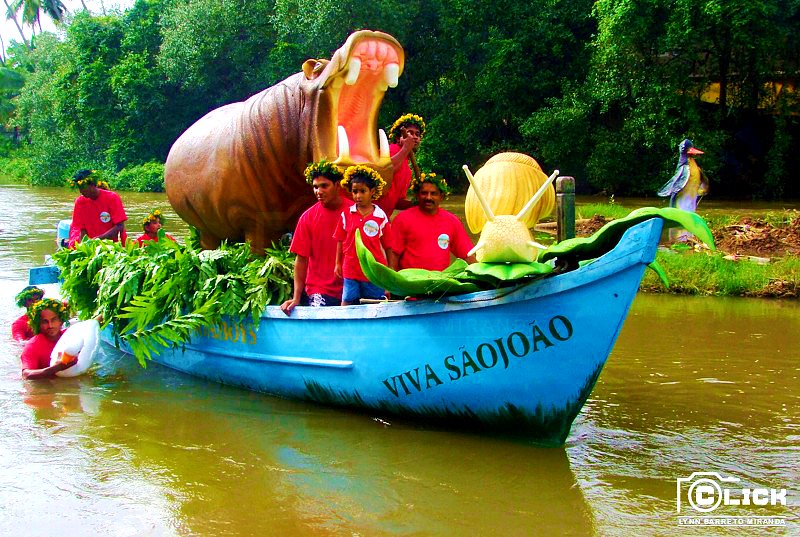
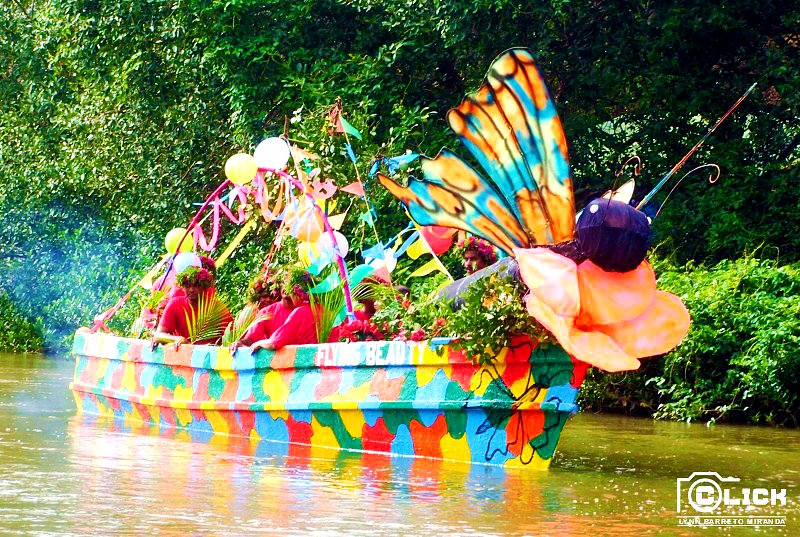
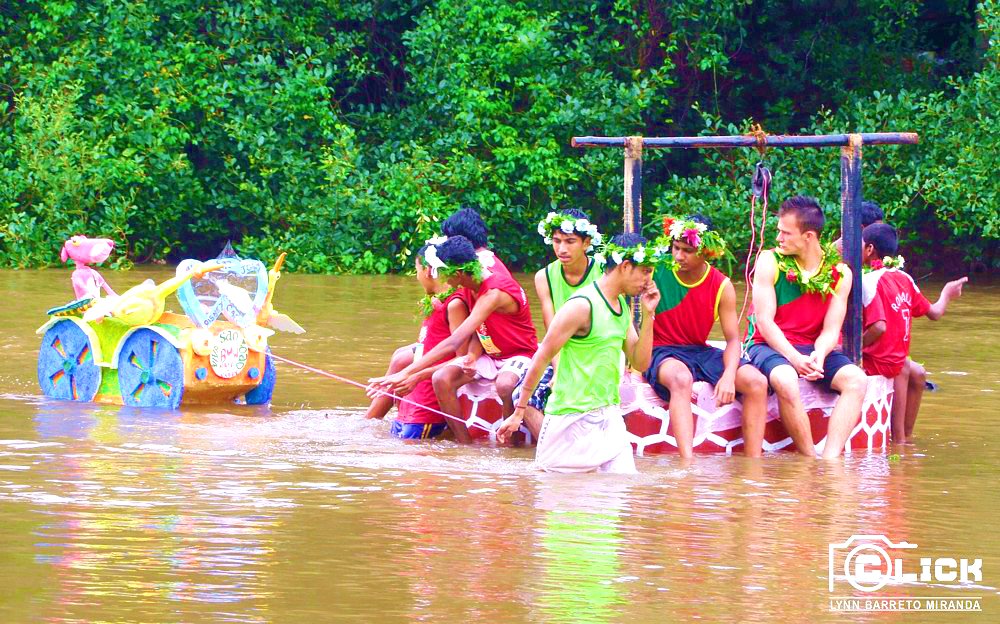
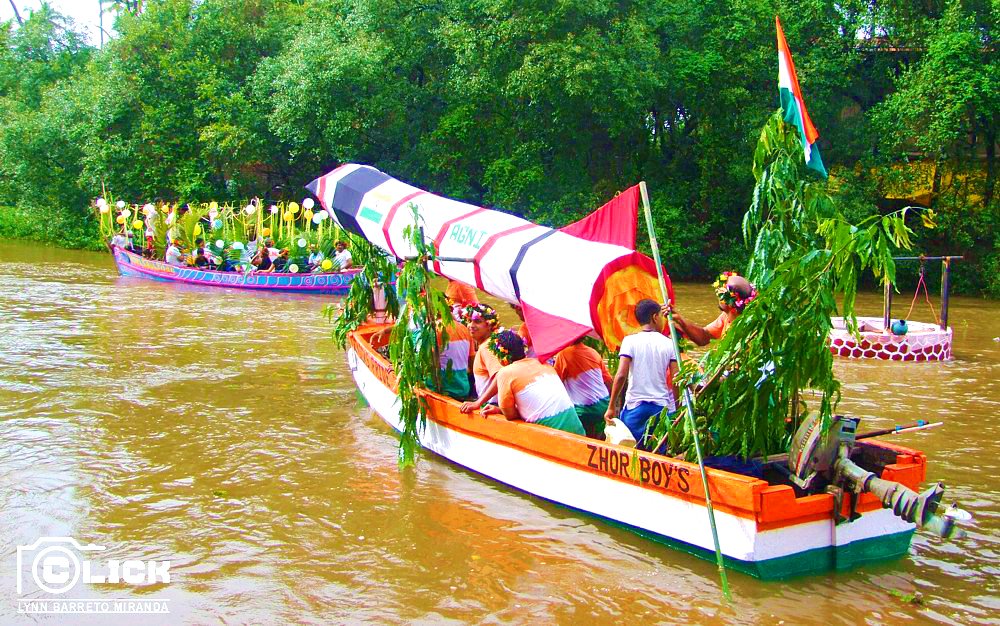
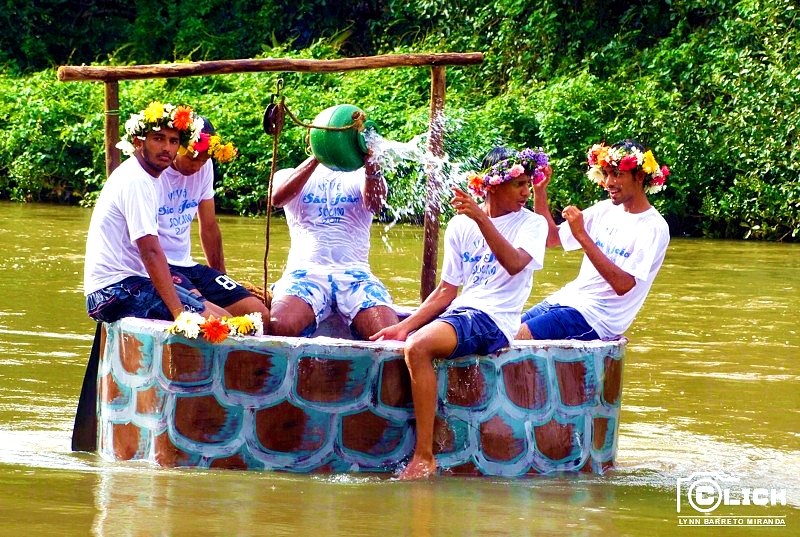
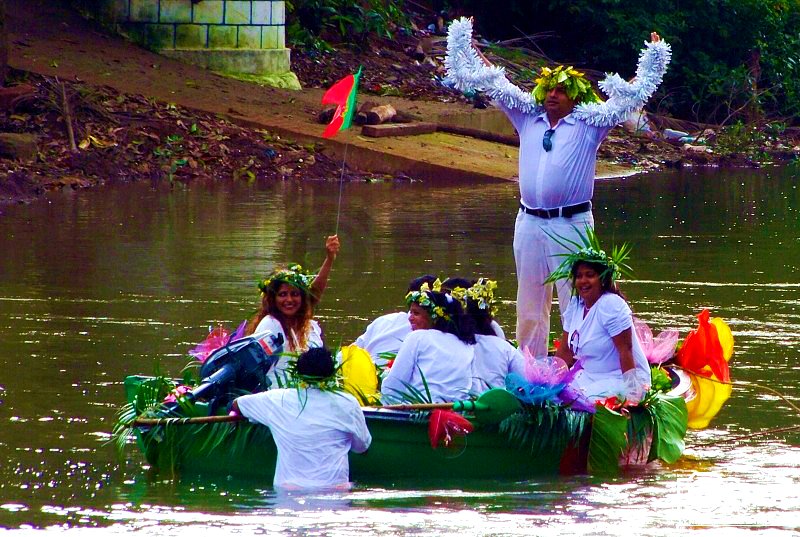
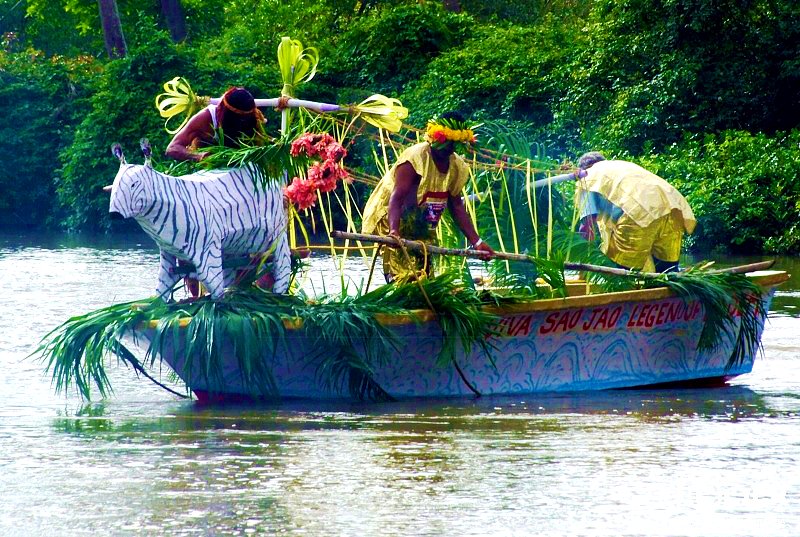
By late morning, attention shifts from wells to waterway. The Chapora comes alive with sangodd — colourful floating platforms crafted by groups of villagers who spend weeks preparing their entries. Traditionally formed by lashing together two boats — and in earlier times even banana tree trunks — these makeshift floats are transformed into theatrical displays, often built around imaginative themes. Participants dressed in coordinated attire sing lively folk songs as they drift past crowds lining the riverbanks.
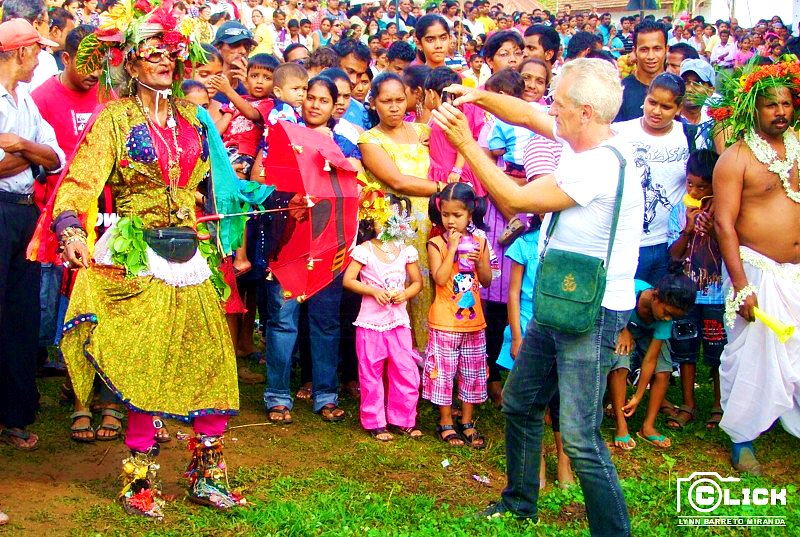
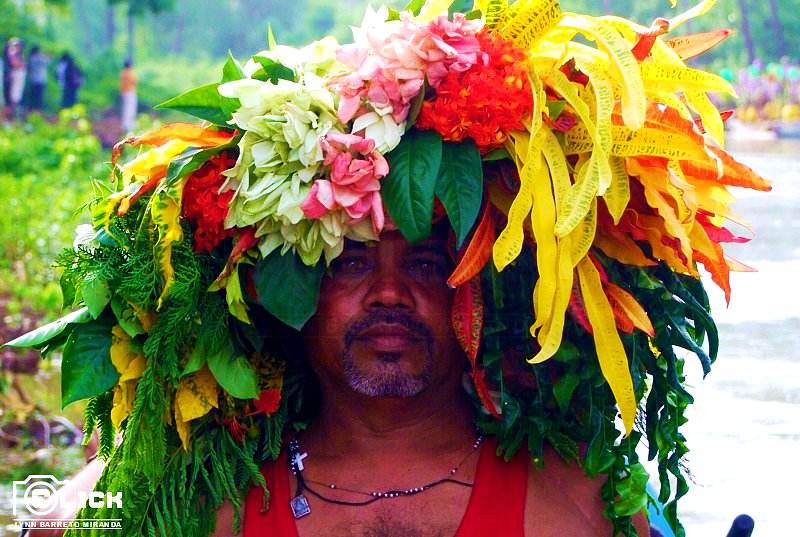
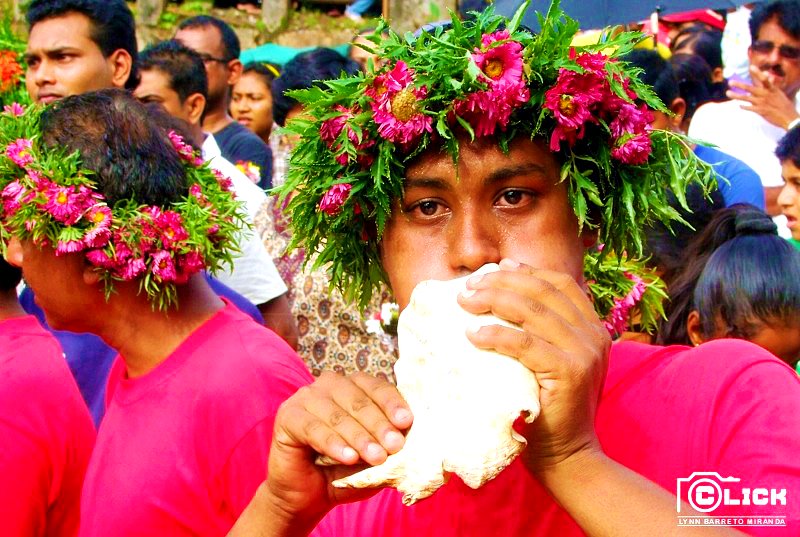
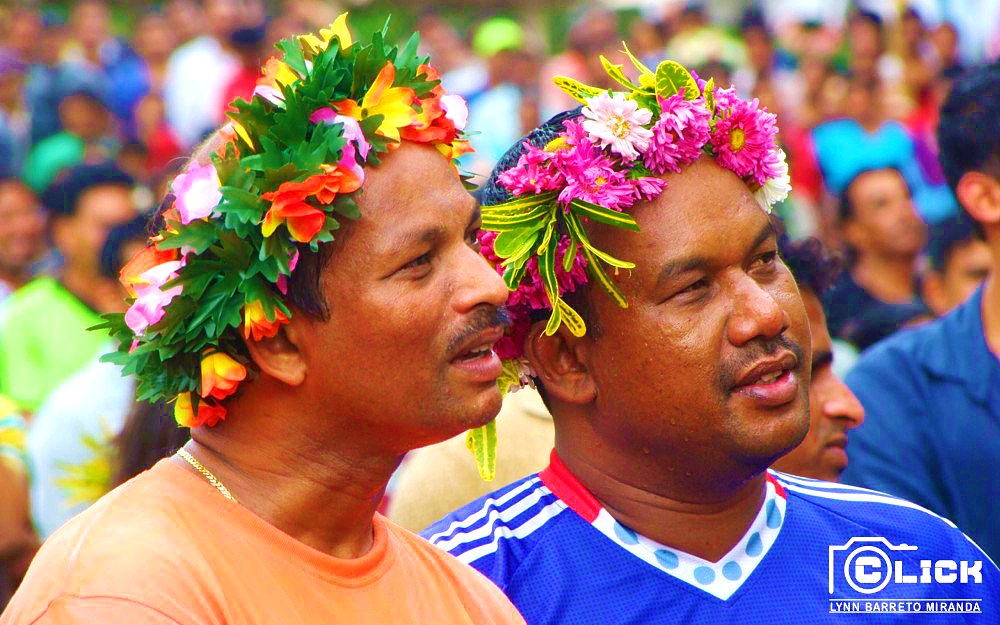
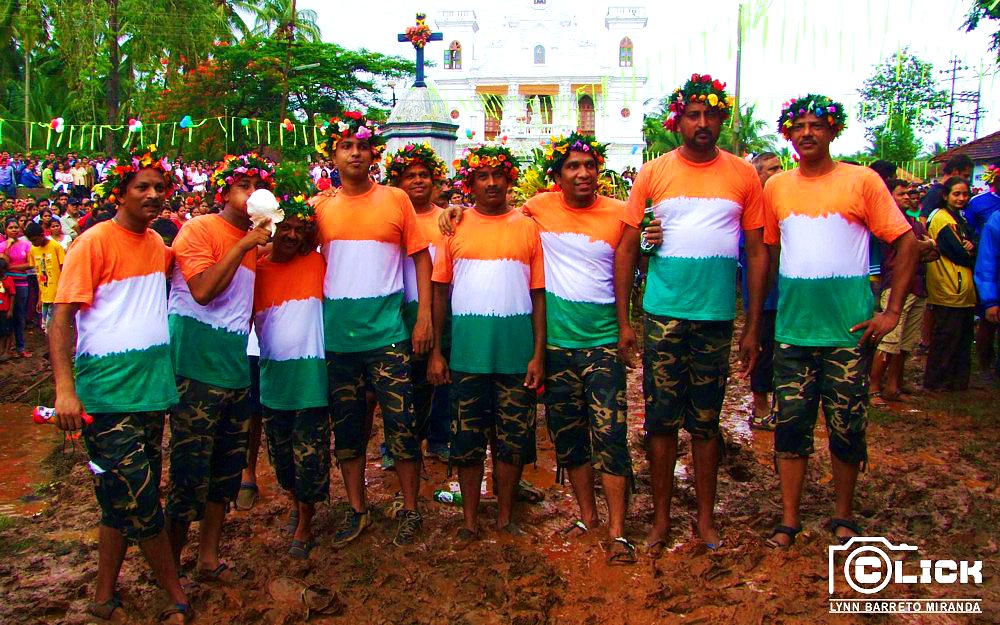
On land, narrow village roads swell with people. The deep resonance of the ghumot blends with the metallic rhythm of the kansallem, and the music carries across the damp monsoon air. Flower crowns known as kopel — woven from seasonal blooms and tender leaves — adorn the heads of revellers, lending the festival its unmistakable monsoon aesthetic: earthy, fragrant and joyfully unrestrained.
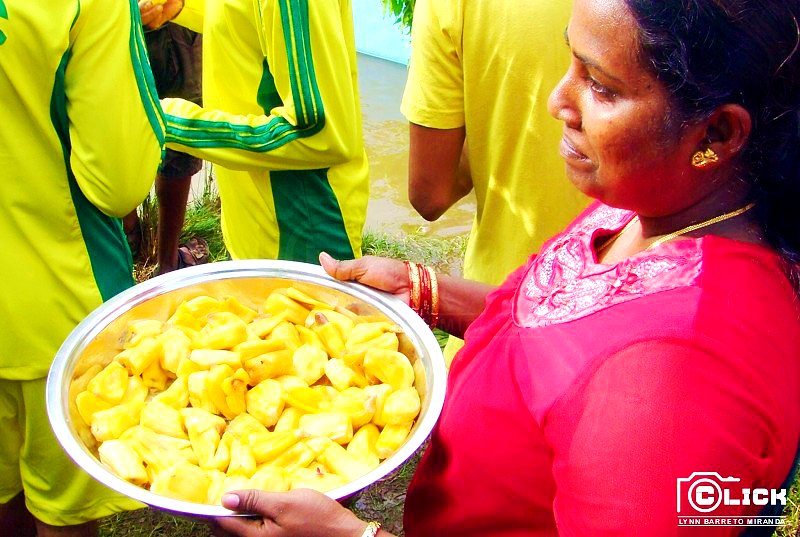
The Bardez boat celebrations date back nearly 150 years. In earlier decades, villagers from Chapora, Zhor in Anjuna, Badem in Assagao and neighbouring settlements would travel by boat to the São João chapel at Pereira Vaddo in Siolim. There they offered homage and took part in the traditional dali. Families — especially newly married couples or those blessed with a child since the previous feast — presented seasonal fruits such as the prized moussrad mango, pineapples and jackfruit, along with a bottle of feni. The offering was simple yet profound: an expression of gratitude, renewal and communal continuity.
Comparisons with Goa’s Carnival are inevitable, yet São João feels markedly different. Carnival dazzles; São João embraces. It is not a choreographed spectacle but a living tradition sustained by village participation. Competitions, playful challenges and spontaneous singing add to the merriment, but beneath the laughter lies something deeper — a shared inheritance passed quietly from one generation to the next.
In South Goa, the feast is observed more quietly. In Bardez, however, communities have consciously resisted over-commercialisation, preserving the authenticity that gives São João its soul. Visitors are welcomed warmly, yet the celebration remains rooted in devotion and belonging rather than display.
To witness São João in Siolim is to encounter Goa in its truest monsoon mood — exuberant, unselfconscious and deeply communal. Here, rivers become stages, rain becomes blessing, and an entire village quite literally leaps into joy.
Photos by Lynn Barreto Miranda / lynn.barretomiranda.com
Clicked on 24th June 2010/11.

Scan the code for directions.

website designed by lynn
goa / ph: 9822151419