
Bonderam: Divar’s Festival of Flags and Island Spirit






On a monsoon afternoon in late August, when rain clouds drift lazily across the Mandovi and the paddy fields of Divar glow a luminous green, the quiet island sheds its languid rhythm. Boats arrive steadily at the ferry jetties, music begins to echo through narrow village lanes, and the island prepares for one of Goa’s most colourful and spirited celebrations — the Bonderam Festival.
Held each year on the fourth Saturday of August, Bonderam transforms the tranquil island of Divar, barely twelve kilometres from Panaji, into a vibrant stage of music, colour and history. Accessible only by ferry from Old Goa, Ribandar or Naroa, the island already feels removed from the hurried pace of the mainland. On this day, however, the stillness gives way to exuberance as villagers and visitors gather to celebrate a tradition deeply rooted in Divar’s past.
The name ‘Bonderam’ is derived from the Portuguese word bandeiras, meaning flags — a reminder of the curious historical origins behind the festivities. Centuries ago, disputes over land boundaries between the wards of Divar often escalated into bitter conflicts among villagers, particularly between the areas of São Mathias and Piedade. In an attempt to quell these quarrels, the Portuguese authorities installed boundary markers marked with flags. Yet the residents, resistant to these imposed divisions, defiantly pulled down the flags, turning the symbols of authority into acts of protest. Over time, this defiance evolved into a festival — a spirited commemoration of community identity that now celebrates unity rather than division.
The island’s three traditional communities — Goltim, Navelim and Malar — were once all part of the celebrations, though today the main festivities are organised largely by Goltim and Navelim. In the 1970s, the Piedade Youth Association took up the responsibility of organising the modern festival, breathing new life into the tradition at a time when the island’s historic comunidades struggled with limited resources.
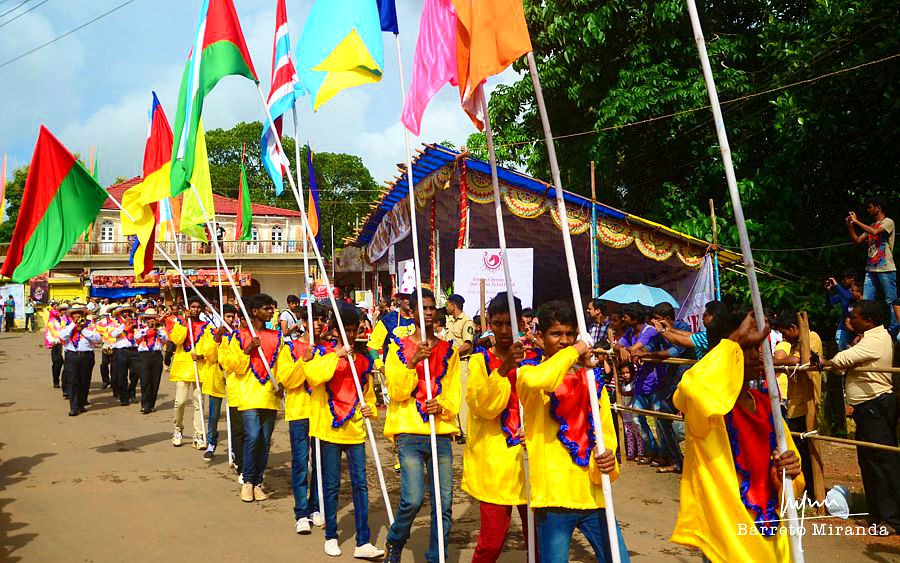
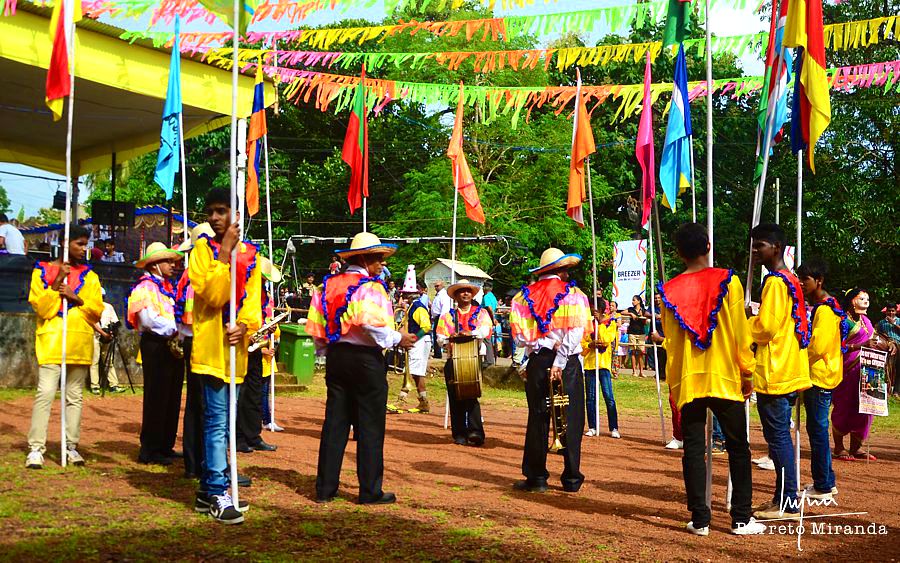
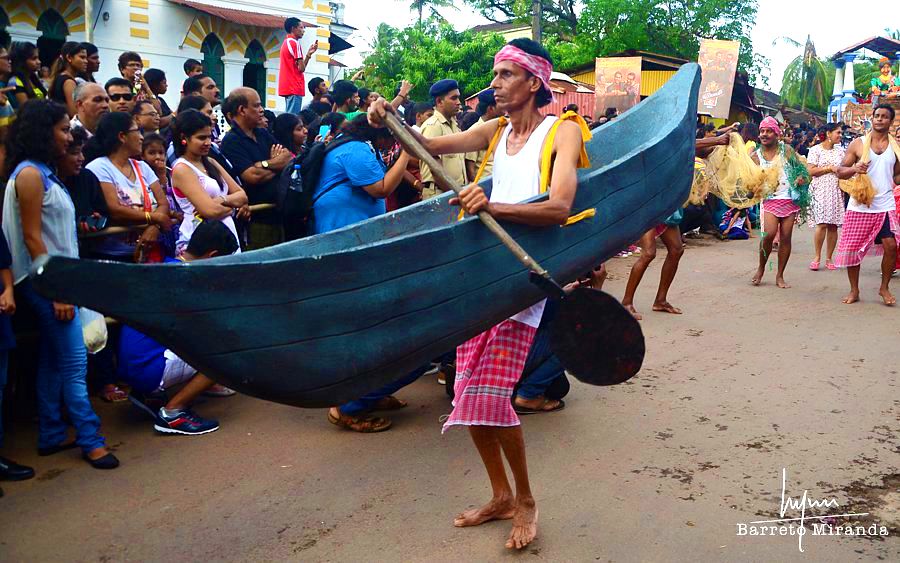
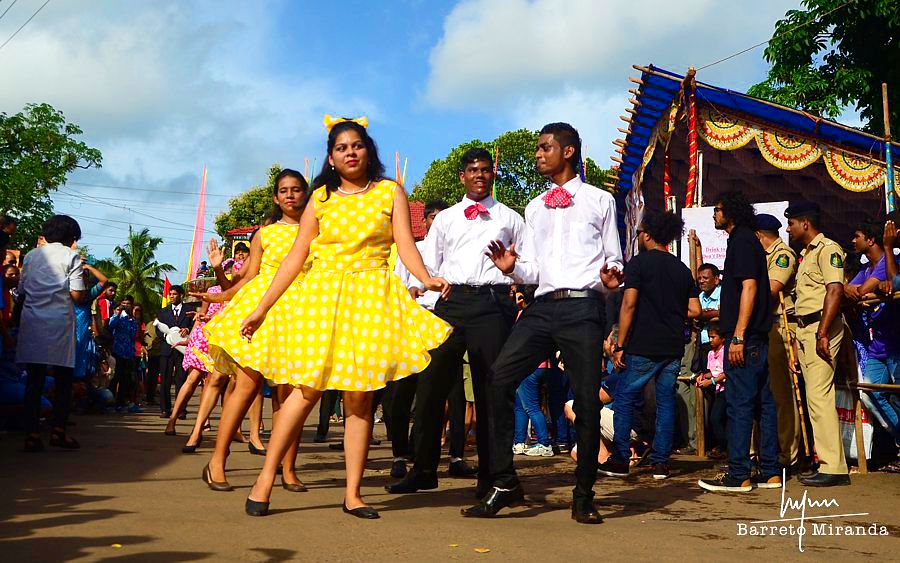
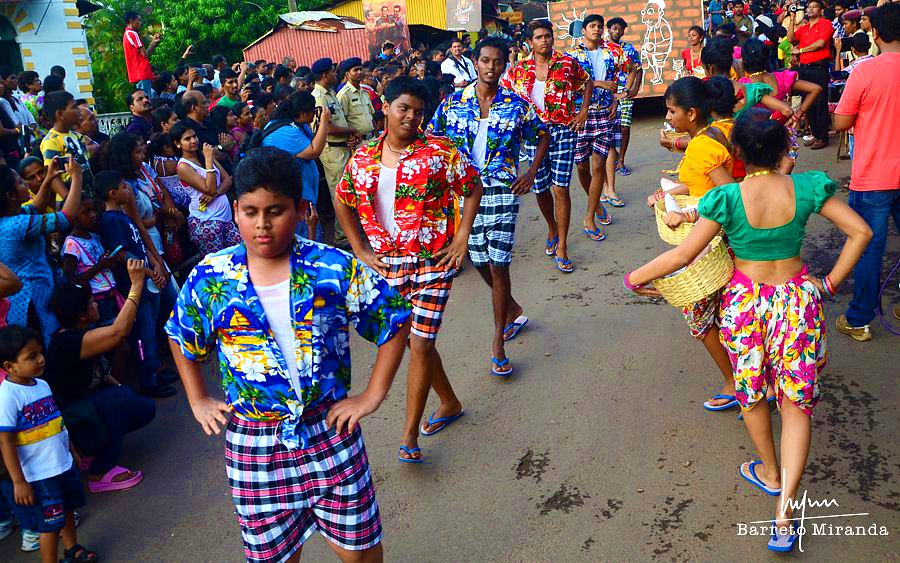
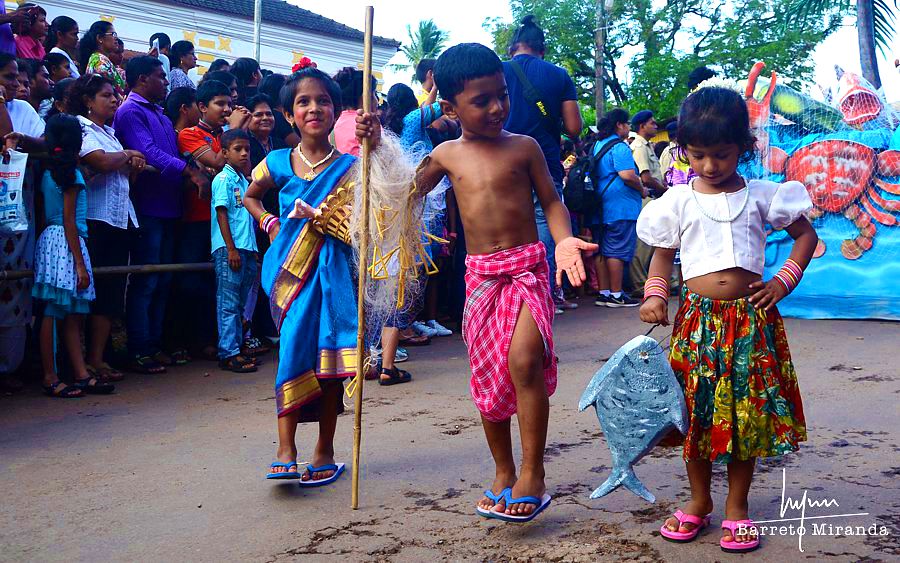
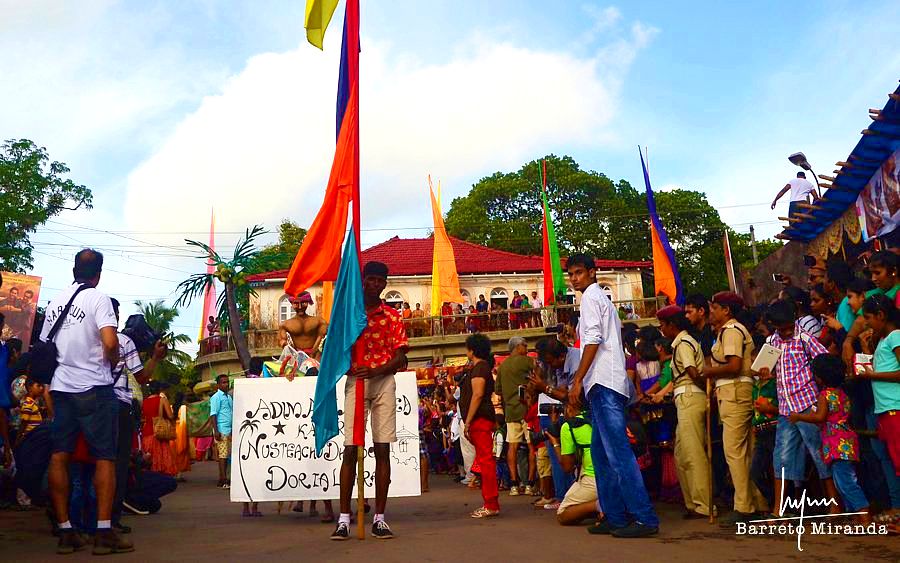
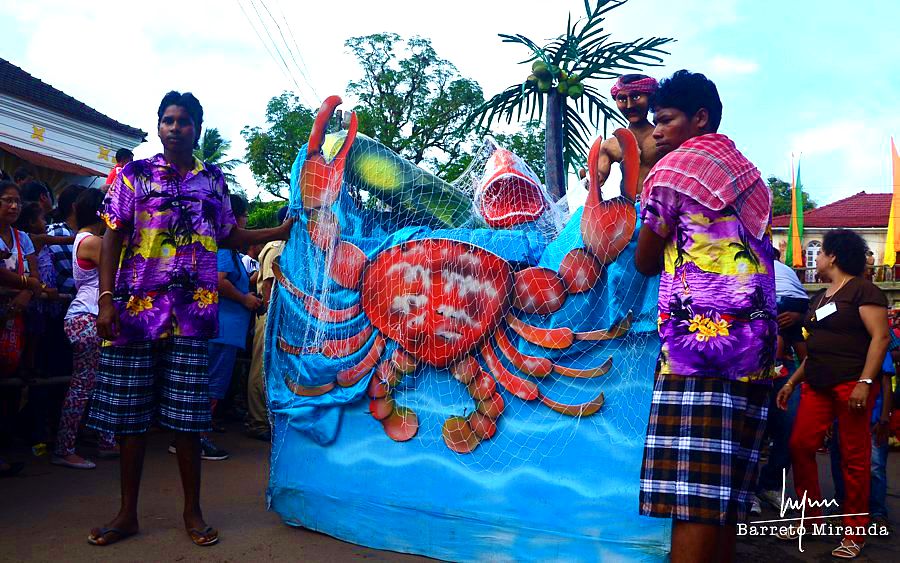
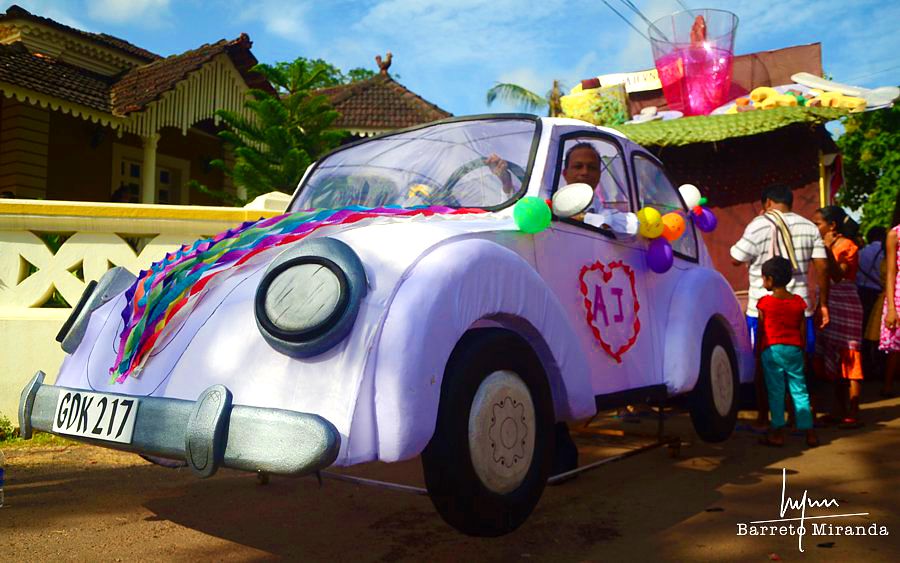
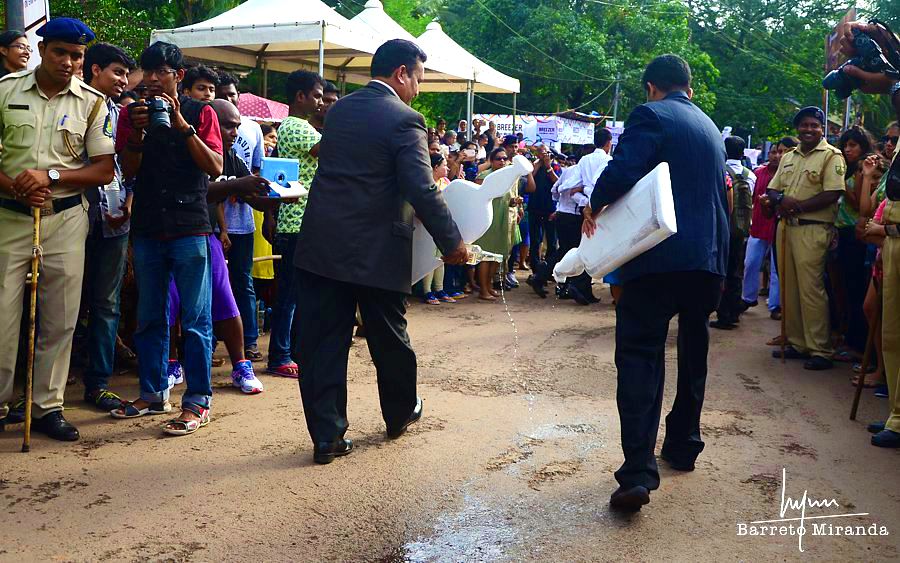
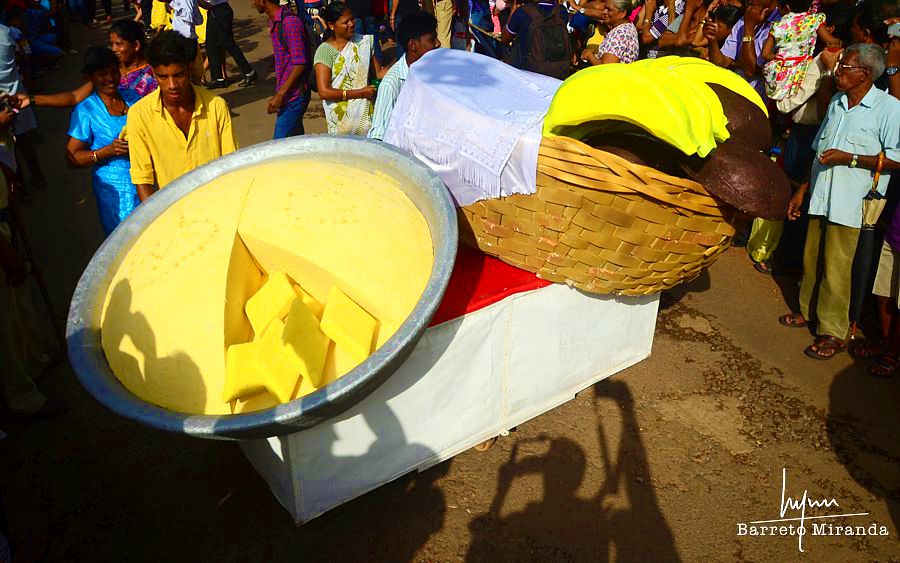
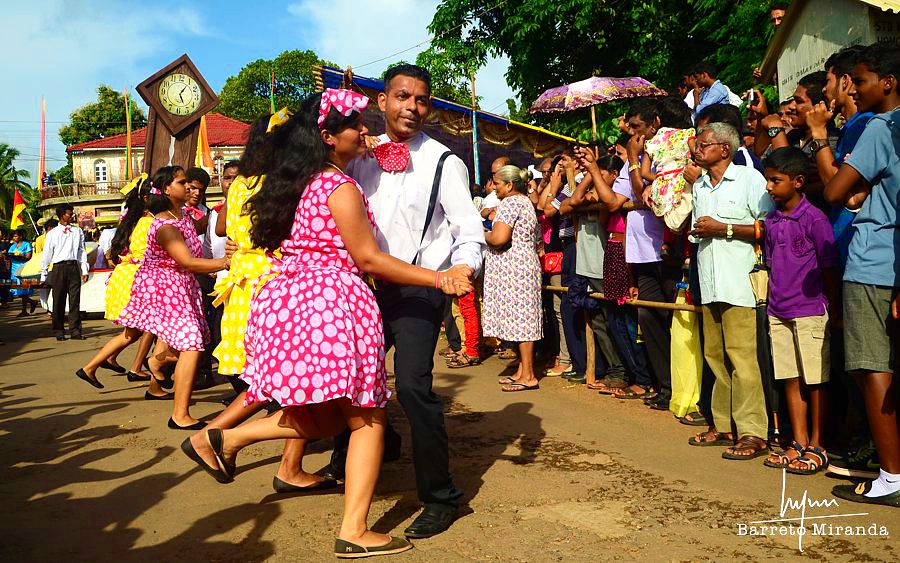
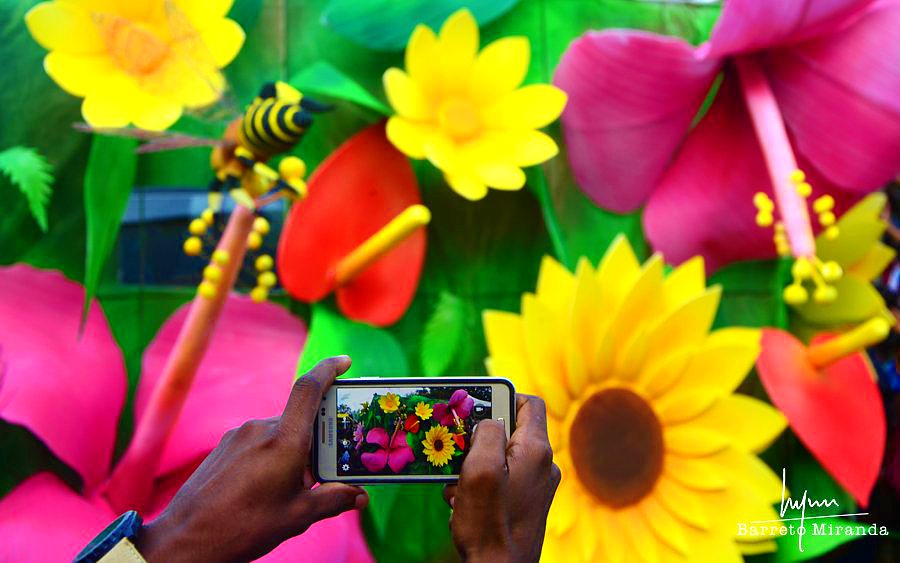
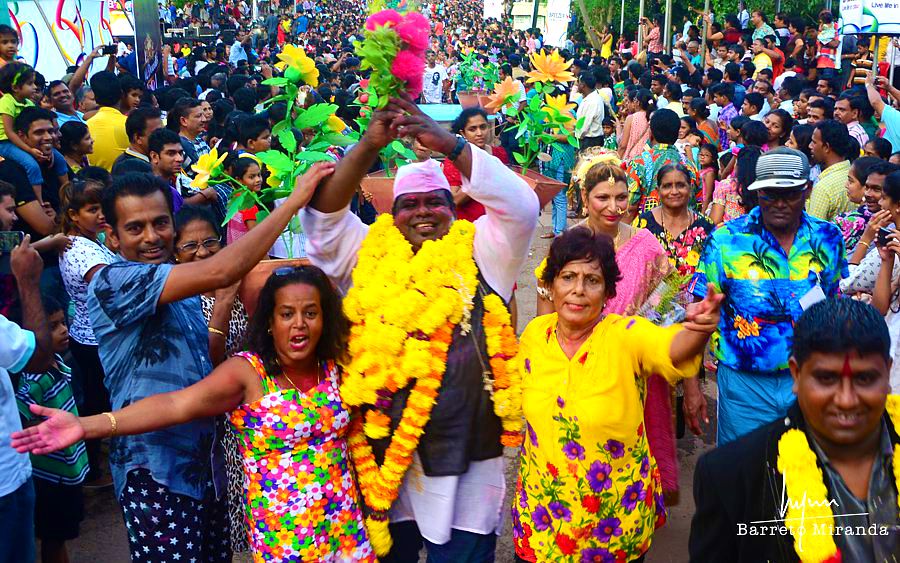
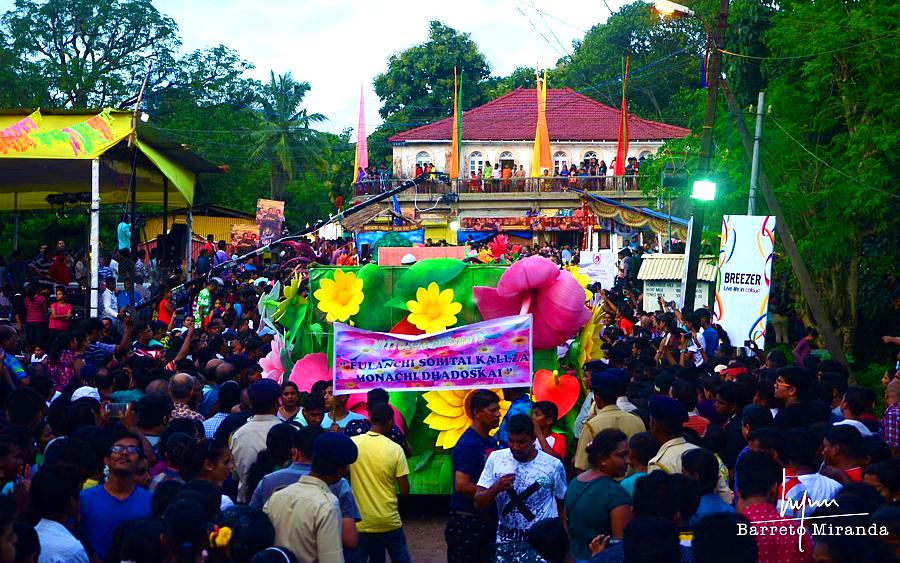
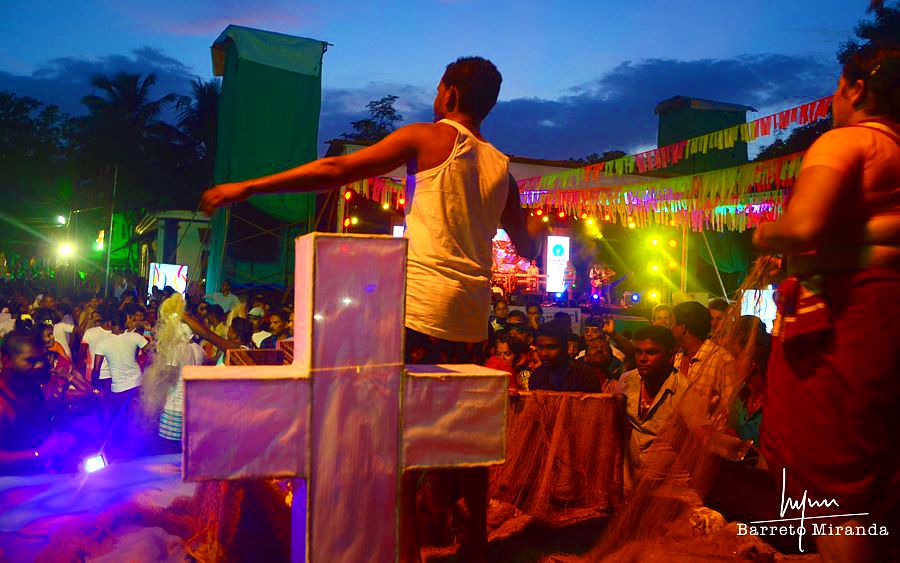
The afternoon festivities begin with the much-awaited flag parade. Accompanied by the lively strains of a brass band, villagers carrying colourful flags march through the heart of the island, announcing the start of the celebrations. Soon afterwards, Divar erupts into a carnival of floats, music and costumes. The island’s six wards compete enthusiastically, each presenting imaginative tableaux that range from satirical social commentary to vibrant displays of Goan culture and folklore. Live bands fill the humid monsoon air with music as crowds line the roads to cheer the passing floats.
In earlier decades, the festival also featured a spirited mock battle known as the fotash. Villagers armed themselves with bamboo stems that fired pellets made from teofollam and anselle seeds, re-enacting the island’s historic boundary disputes in playful skirmishes. Over time, however, the misuse of these projectiles led to the practice being banned, leaving the floats and flag parade as the festival’s central attractions.
Despite the changes, Bonderam retains its unmistakable island character. Beneath the festive spectacle lies a quieter rhythm tied to the agricultural calendar. The celebrations coincide with Novidade, the traditional harvest ritual marking the first sheaves of the paddy crop. These golden stalks are ceremonially offered at the local church the following day, symbolising gratitude for the land’s bounty and linking the revelry to centuries-old agrarian traditions.
As evening approaches, Divar glows with a soft monsoon light. Music drifts across the fields, ferries continue to carry late arrivals, and laughter mingles with the scent of rain and earth. For a few hours each year, this small island becomes the heart of Goa’s cultural exuberance.
Bonderam is more than a festival of flags. It is a celebration of memory — of protest turned into tradition, of island communities bound by history, and of a land where even the monsoon becomes an invitation to gather, celebrate and belong.
* Photos are of the Bonderam held on the third Saturday, 22nd August 2015 at Divar.
Photos by Lynn Barreto Miranda / lynn.barretomiranda.com

Scan the code for directions.

website designed by lynn
goa / ph: 9822151419