
Across the Embers: Faith and Fire at Shirgao’s Lairai Zatra
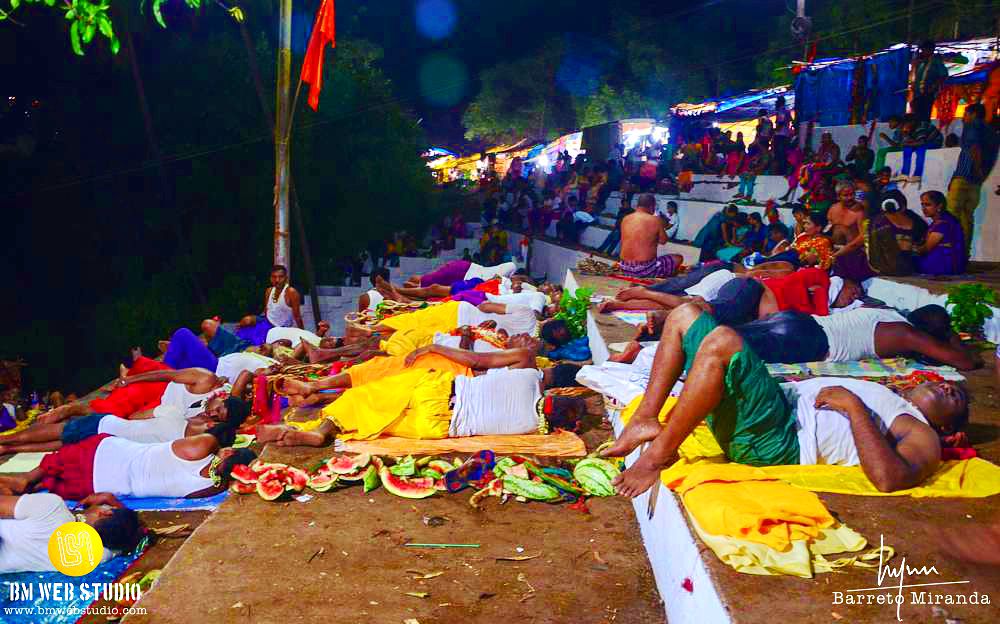

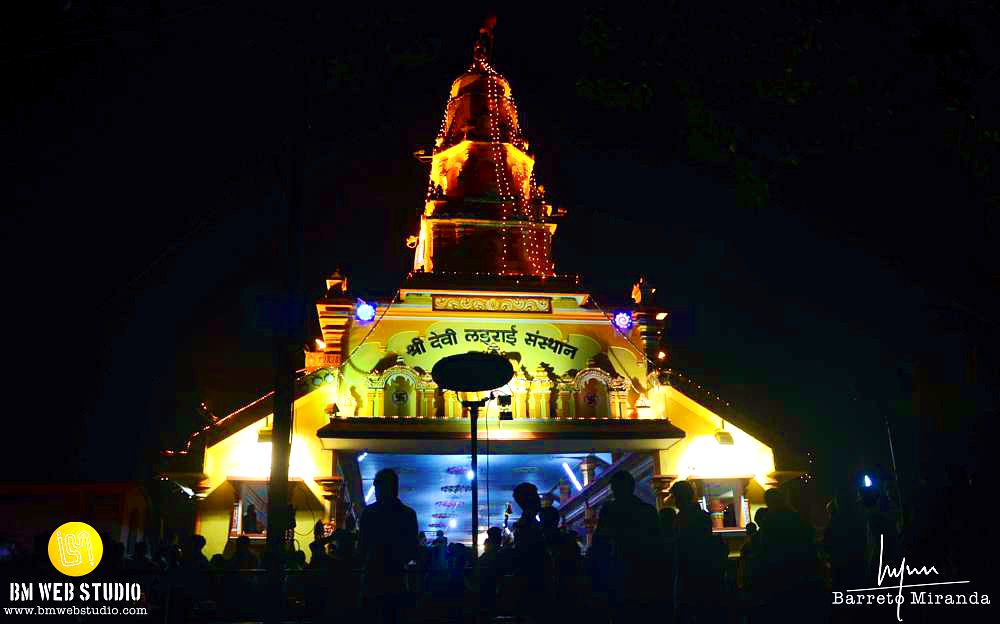


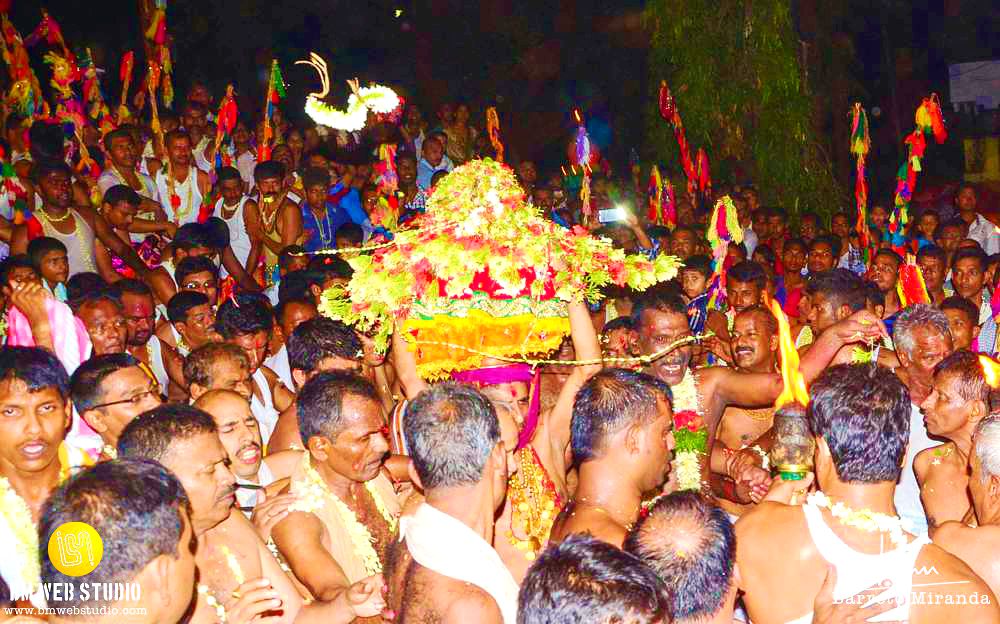
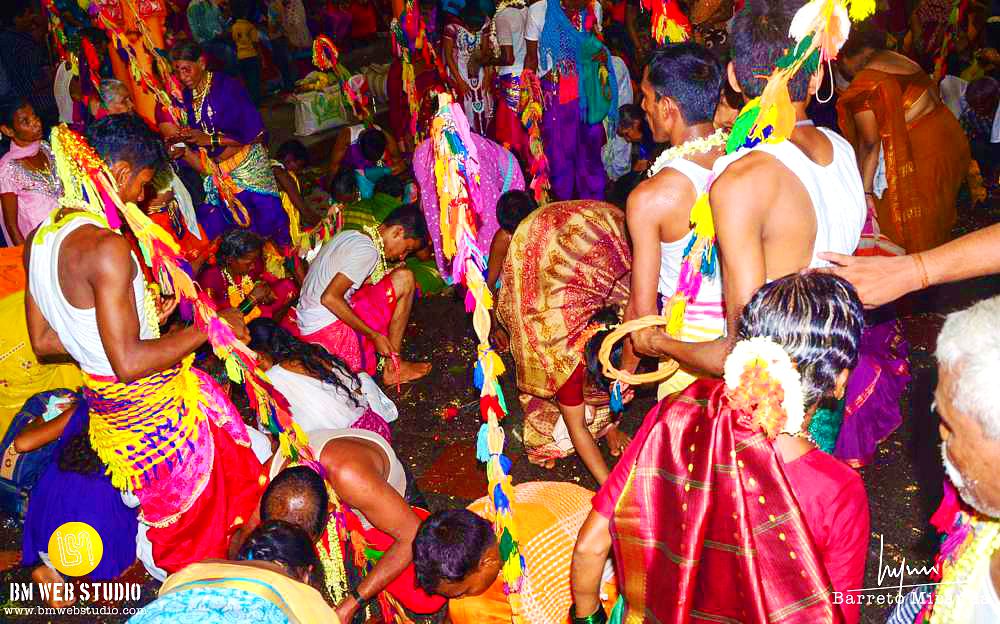

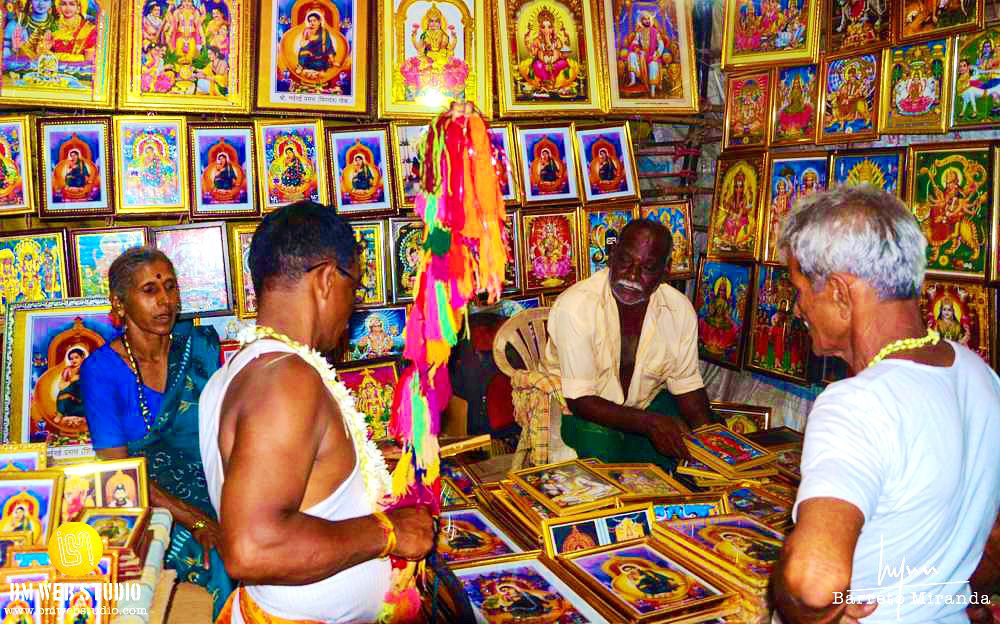

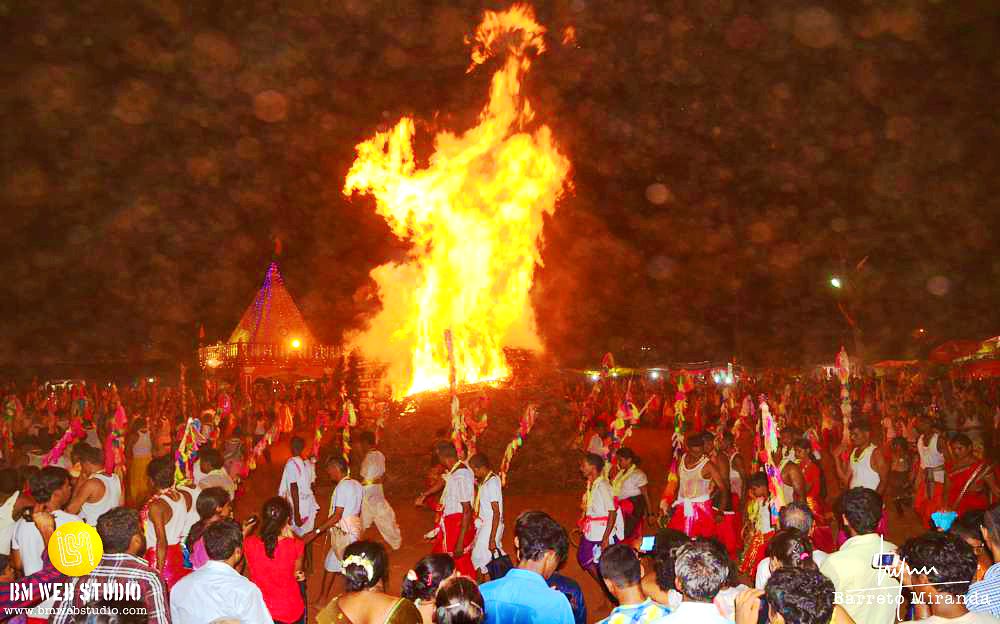

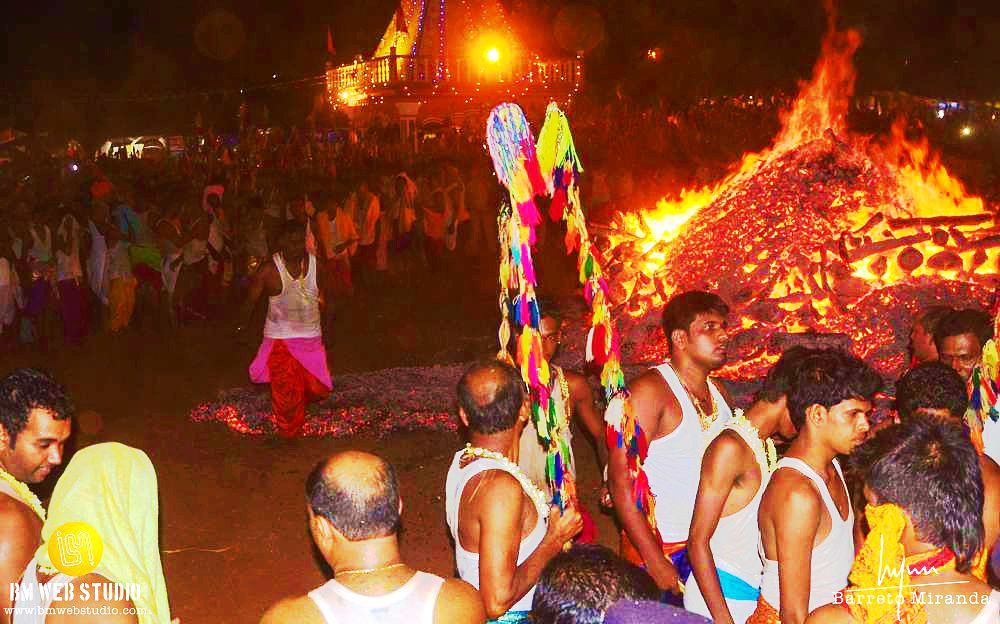
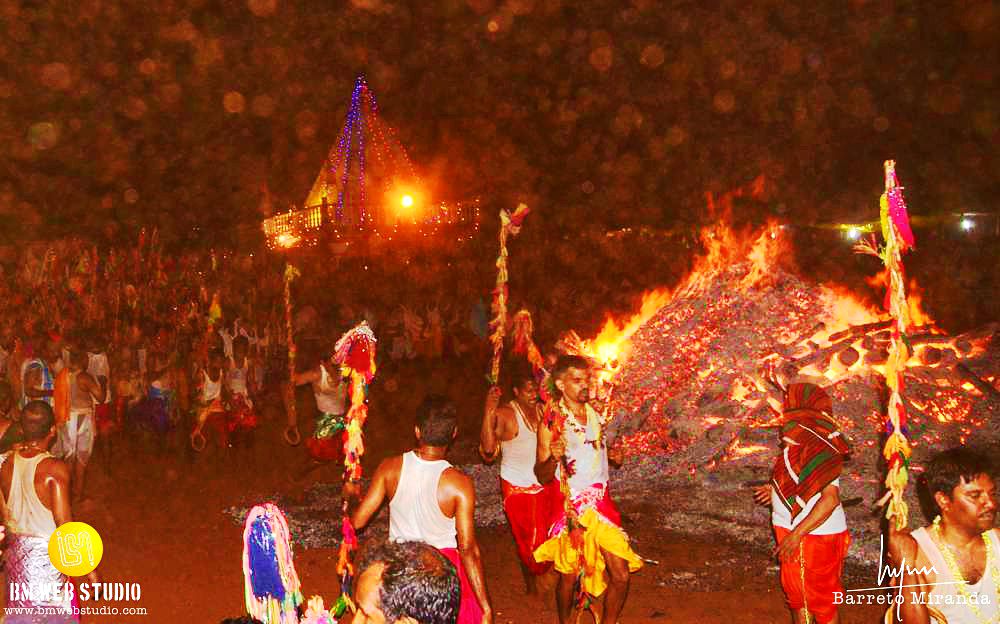
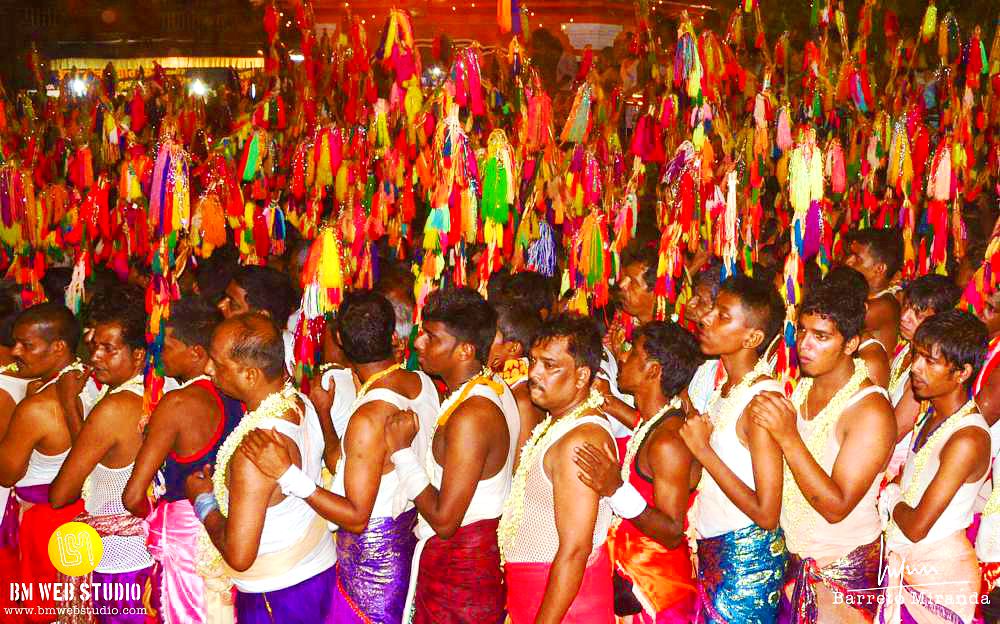
In the stillness of a Goan summer night, as the clock edges past midnight, the quiet village of Shirgao in Bicholim taluka erupts into a spectacle of devotion. Flames leap skyward, drums echo through the darkness, and thousands gather in anticipation of a moment that defies both fear and reason. Soon, barefoot devotees will run across a bed of glowing embers.
This is Lairai Zatra, one of Goa’s most extraordinary religious festivals — a dramatic expression of faith centred on the annual fire-walking ritual held at the Shri Lairai Temple in Shirgao, near Assonora.
For most of the year, Shirgao remains a tranquil village, its days marked by temple visitors and the occasional rumble of mining trucks passing through the countryside. But every May, as the full moon approaches, the village transforms into a vibrant pilgrimage centre. Tens of thousands of devotees and curious visitors descend upon Shirgao to witness a ritual that has been practised here for centuries.
The Goddess of Shirgao
Although Sateri is the original presiding deity of Shirgao, it is Goddess Lairai who commands immense devotion and has become the spiritual heart of the village. According to local tradition, Lairai belongs to a divine family of deities worshipped across Goa. She is believed to be the sister of several powerful goddesses — including Mahamaya of Maye, Kelbai of Mulgao, Morjai of Morjim, Shitalai of Mayem, and Ajadipa of Anjadiv Island. Mirabai, another sister, is believed to have later been venerated as Our Lady of Milagres in Mapusa, symbolising the complex cultural interweaving that characterises Goan history. Their lone brother is Khetoba of Vaigani.
The representation of the goddess in Shirgao is unusual and symbolic. Rather than a conventional idol, Lairai is represented by a copper pot topped with a white bud of the fragrant mogra flower. Each year, during the festival, a fresh mogra bud replaces the old one — a simple yet powerful symbol of renewal and continuity.
The Dhonds: Devotees of Fire
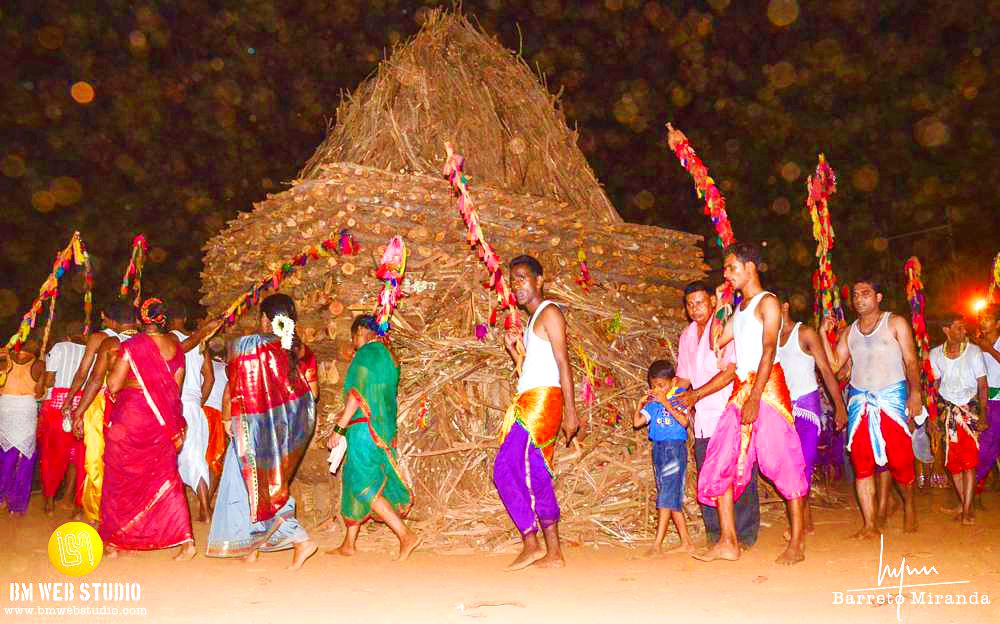
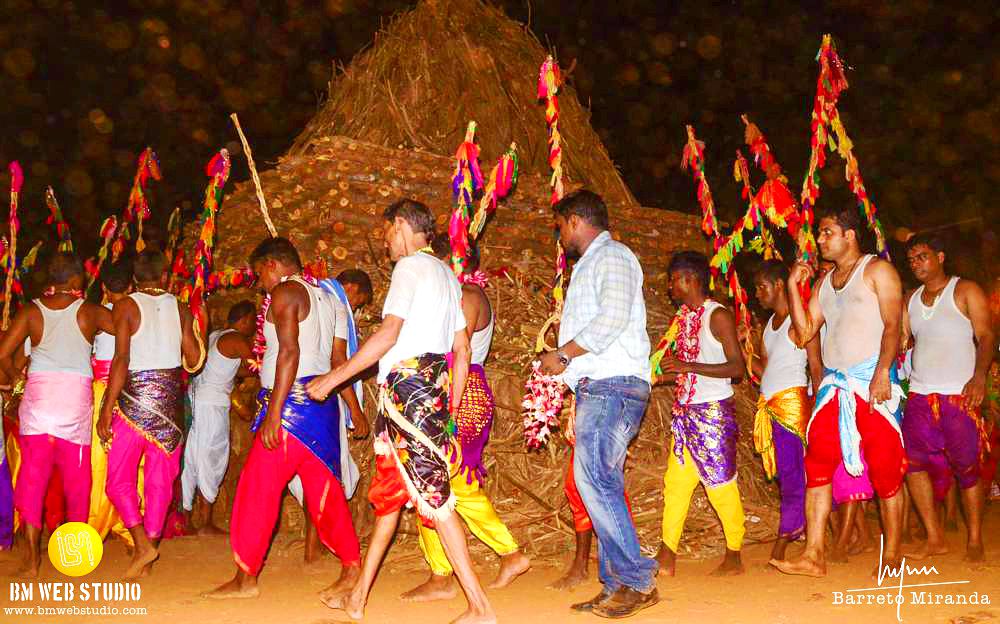
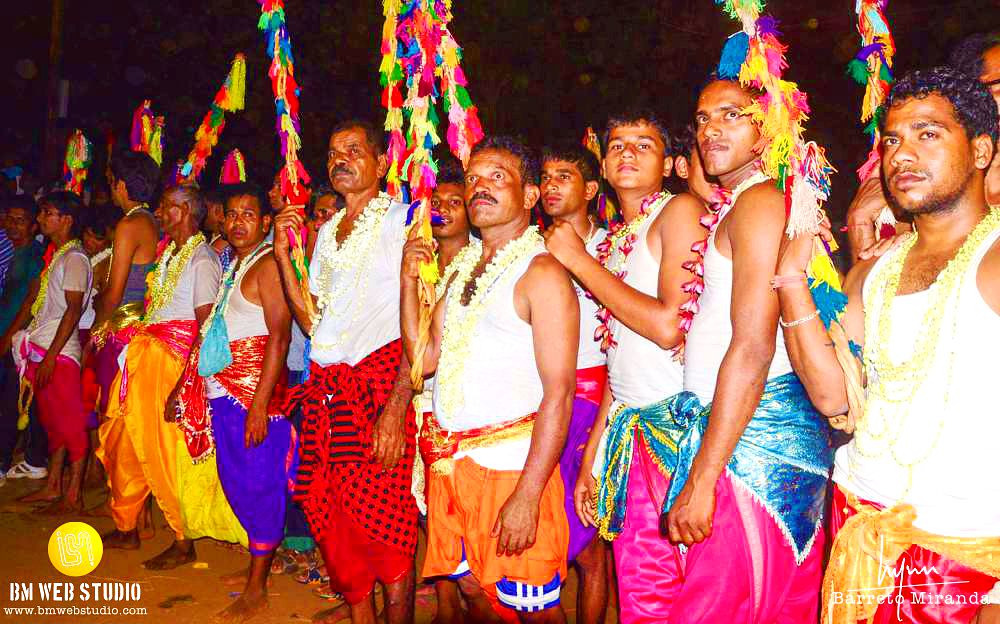
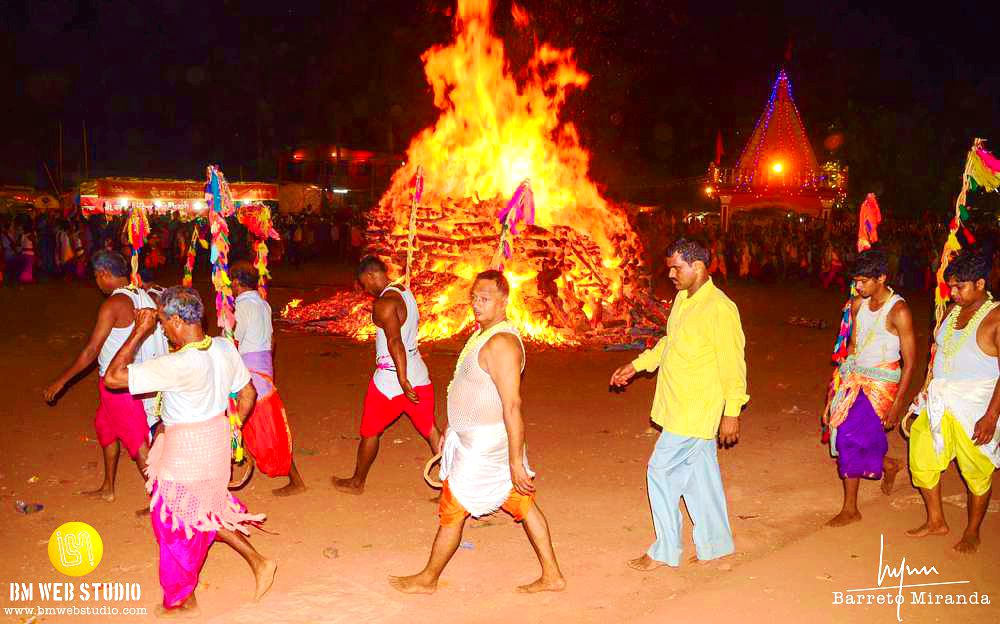
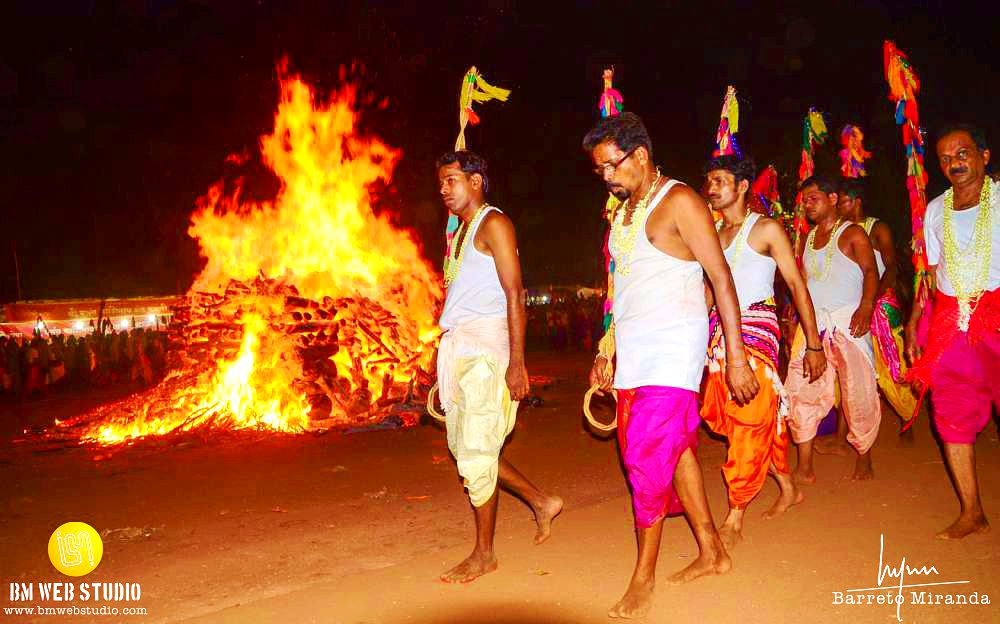
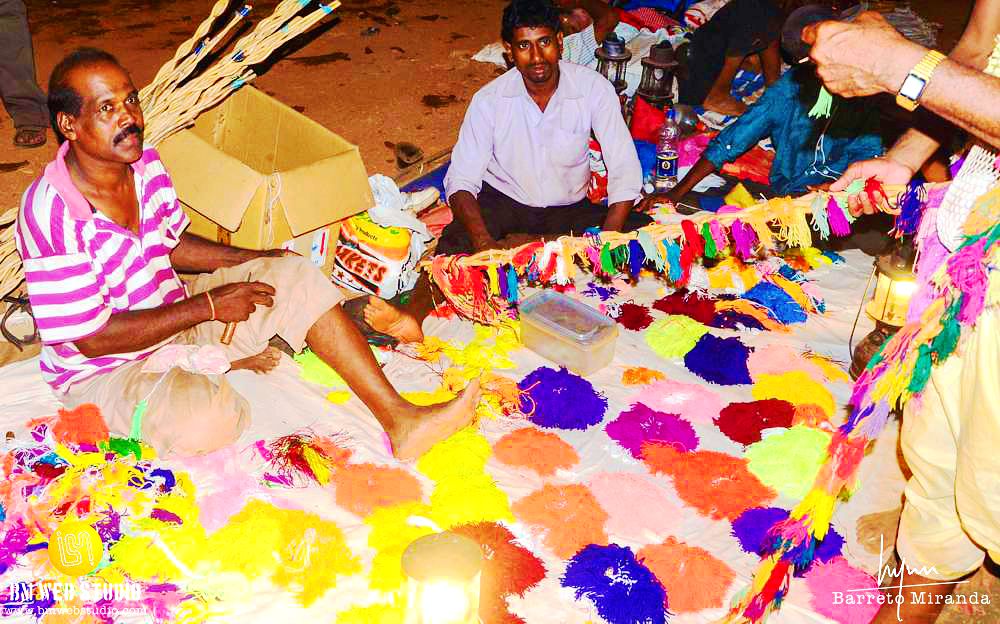
At the heart of the festival are the devotees known as Dhonds — men and women who undertake the fire-walking ritual. They are easy to identify in the swelling crowds: dressed in dhotis, with towels tied around their waists, they carry distinctive six-foot woven cane sticks known as ven’th, decorated with colourful tufts of wool.
For forty days before the festival, these devotees observe strict discipline. They follow a vegetarian diet and maintain ritual purity, bathing after every meal. The period of preparation is as important as the ritual itself, believed to strengthen both body and spirit for the demanding act of fire-walking.
Preparing the Fire
The day before the festival, villagers and devotees gather to construct the massive wooden pyre that will fuel the ritual. Built from dried wood and bark, the structure rises nearly ten feet high — square at its base and tapering to a cone at the top. The act of contributing wood to the pyre is itself a gesture of devotion.
As the day progresses, the temple surroundings become electrified with activity. Thousands of Dhonds circumambulate the towering pyre repeatedly before assembling in the temple courtyard. Here, they break into rhythmic, almost trance-like dances, striking their cane sticks together as devotional chants and drumbeats fill the air.
The Midnight Moment
Just before midnight, the sacred procession begins. The deity is ceremonially carried from the temple to a shrine nearby, passing beside the towering wooden pyre. At that precise moment, a small flame is hurled into the stacked wood.
Within minutes, the pyre roars into a blazing inferno.
The procession continues into the night as thousands of devotees wait patiently for the fire to burn down. By around 2.30 or 3.00 in the morning, the towering flames have subsided into a vast bed of glowing embers. Volunteers then spread the red-hot coals into a long pathway.
The moment everyone has been waiting for has arrived.
One by one — and then in surging waves — the Dhonds begin their run across the burning embers, barefoot and seemingly fearless. Some sprint across in seconds, while others walk slowly and deliberately through the fire. The heat radiating from the embers can be felt from several metres away, yet remarkably, devotees complete the ritual without serious injury — a phenomenon many attribute to the protective grace of the goddess.
Faith, Folklore, and Village Traditions
Local lore adds further layers of mystique to the festival. Older villagers recall that the pyre was once lit beneath a massive banyan tree whose leaves, they say, never singed despite the towering flames. The tree eventually collapsed in 2010 and had to be removed, but the story remains part of the festival’s enduring folklore.
Another curious tradition of Shirgao is that no one in the village raises hens. According to residents, chickens might defile sacred spaces around the temple, and so the practice has quietly disappeared over generations.
A Ritual That Endures
In the early hours of the morning, as the embers cool and the chants fade into silence, Shirgao slowly returns to calm. Yet for those who witness the spectacle, the memory lingers long after the fires die down.
Lairai Zatra is far more than a dramatic display of fire-walking. It is a living tradition — a powerful blend of faith, folklore, and community that continues to bind generations together.
And for one extraordinary night each year, the village of Shirgao becomes a place where devotion quite literally walks through fire.
Photos by Lynn Barreto Miranda / lynn.barretomiranda.com

Scan the code for directions.

website designed by lynn
goa / ph: 9822151419