
Devotion Afloat: The Sangodd Tradition of Candolim
Honouring Saints Peter and Paul
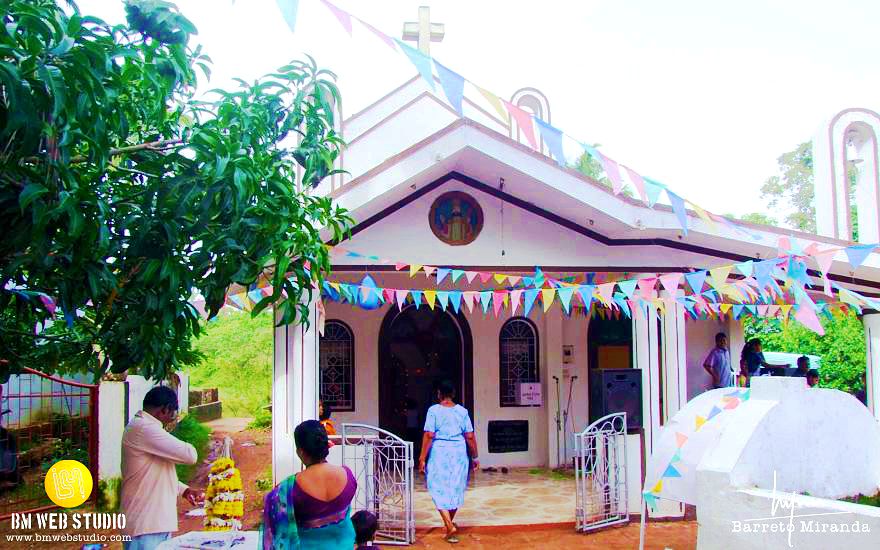
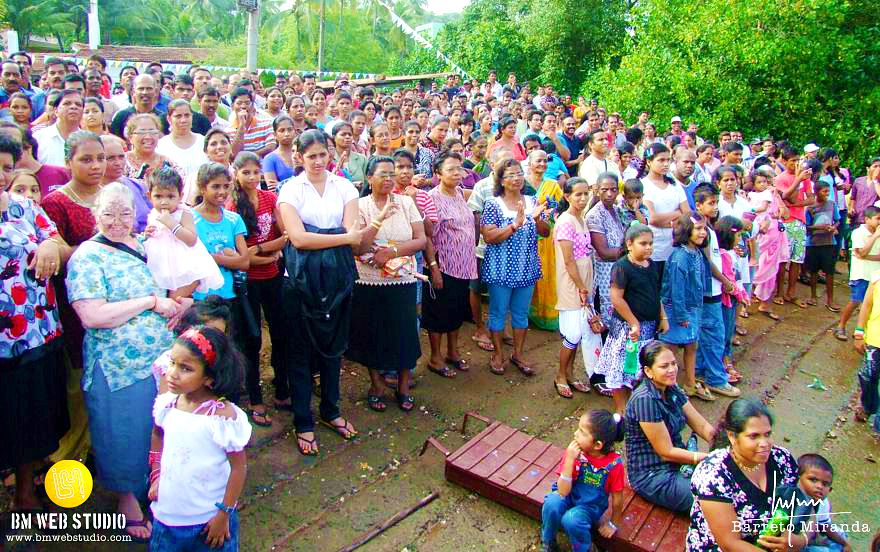

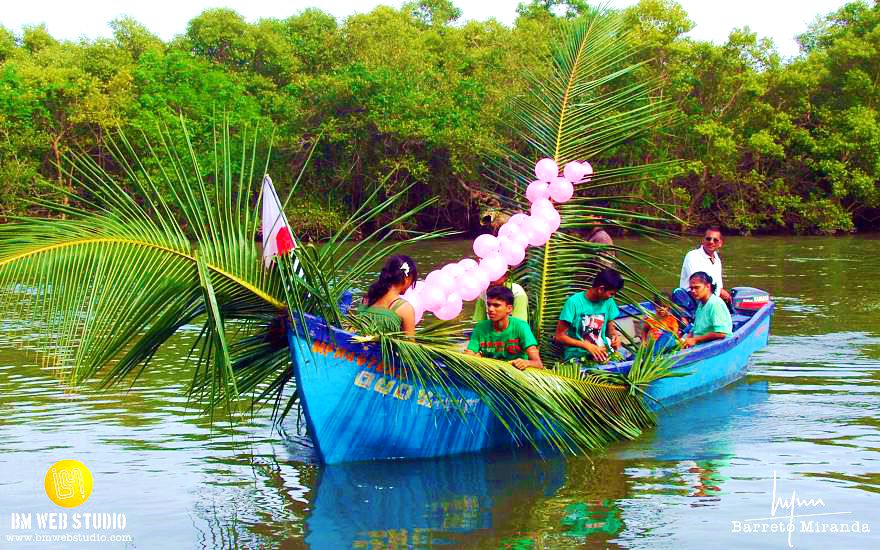
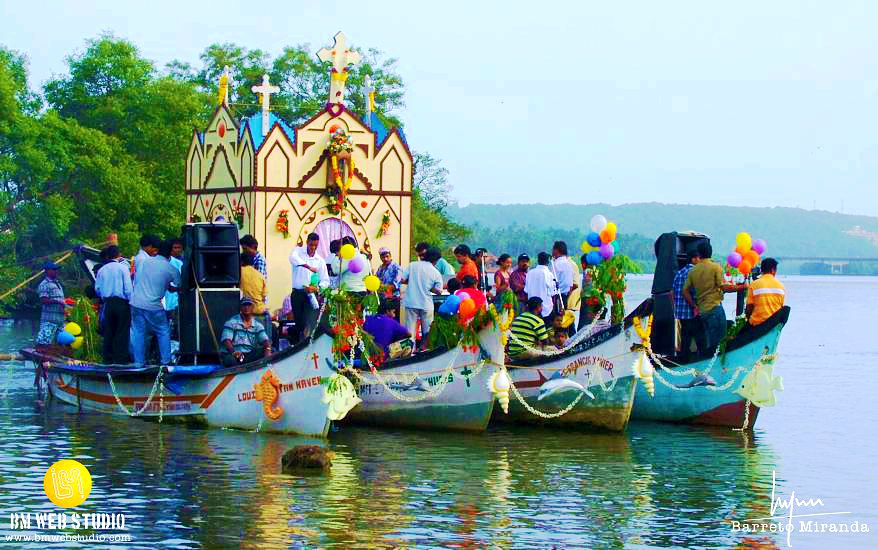

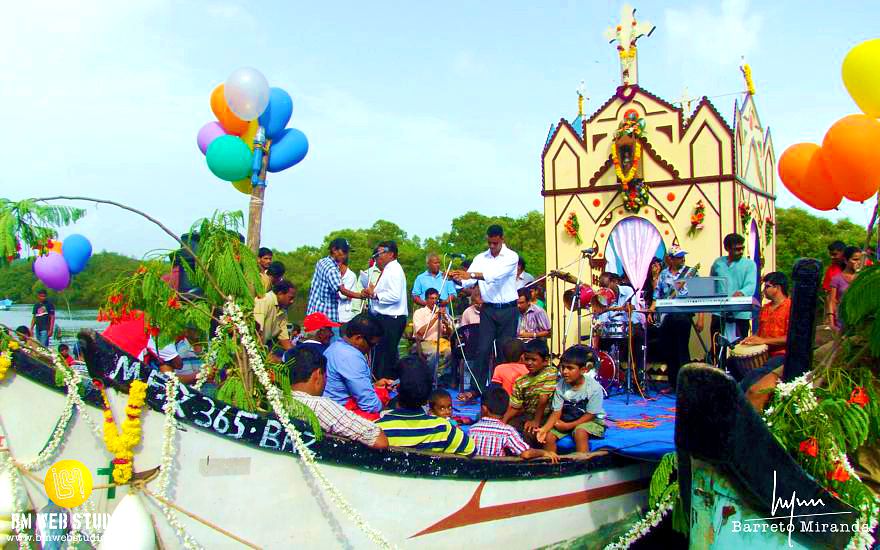
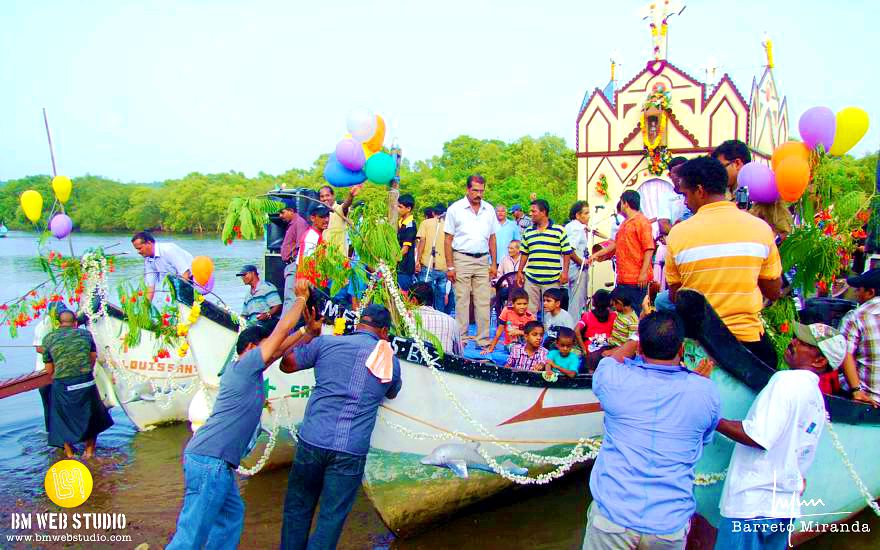
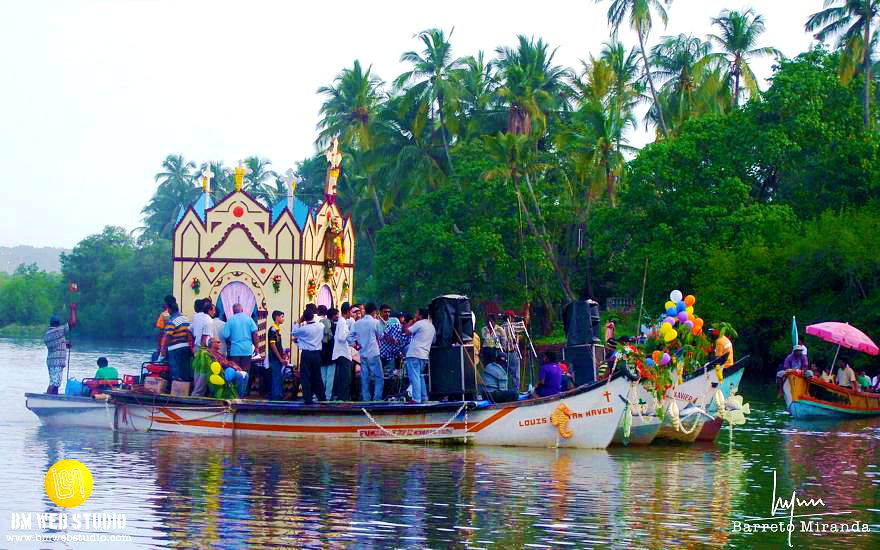

As the monsoon clouds gather low over the Arabian Sea and the Sinquerim river turns a silvery grey beneath their weight, Candolim prepares for an evening when faith and festivity drift hand in hand upon the water.
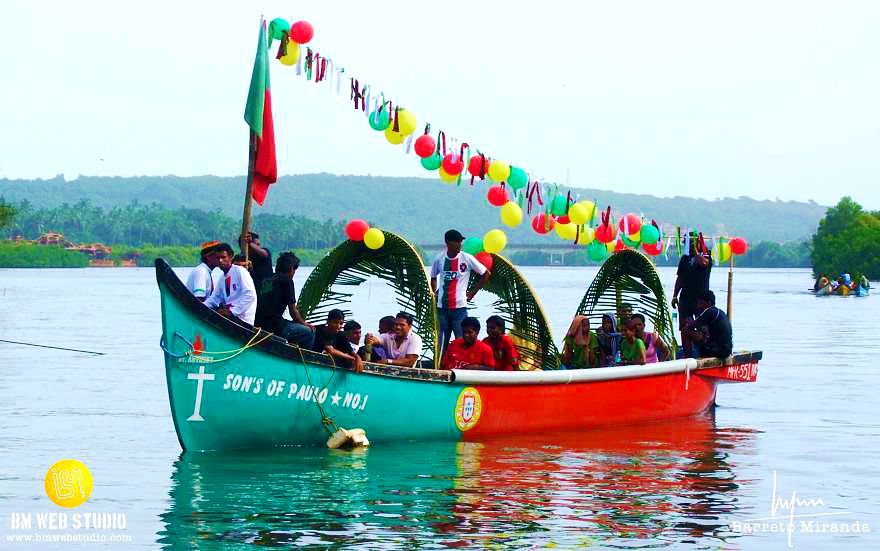
On 29 June, the feast of Saint Peter and Saint Paul draws an immense crowd to Orda, on the northern bank of the languid Sinquerim river. The river, winding quietly south of Candolim, has long shaped the rhythm of life here. For generations, a substantial portion of the riverine community has depended on its bounty — and on the sea beyond — for sustenance and livelihood. Nets, tides and seasons dictate their days.
Saint Peter, a fisherman before he became an apostle, is more than a biblical figure in this village; he is kin. In good catch and lean haul, in storm and calm, the community turns to him. And so, on his feast day, the fishing boats are anchored, nets are folded away, and work yields to worship.
By late afternoon, families begin streaming towards the modest riverside chapel. Monsoon showers — often relentless at this time of year — are treated as little more than a passing inconvenience. Umbrellas bloom along the roadside, children dart between adults, and the air carries the mingled scent of wet earth and brine.
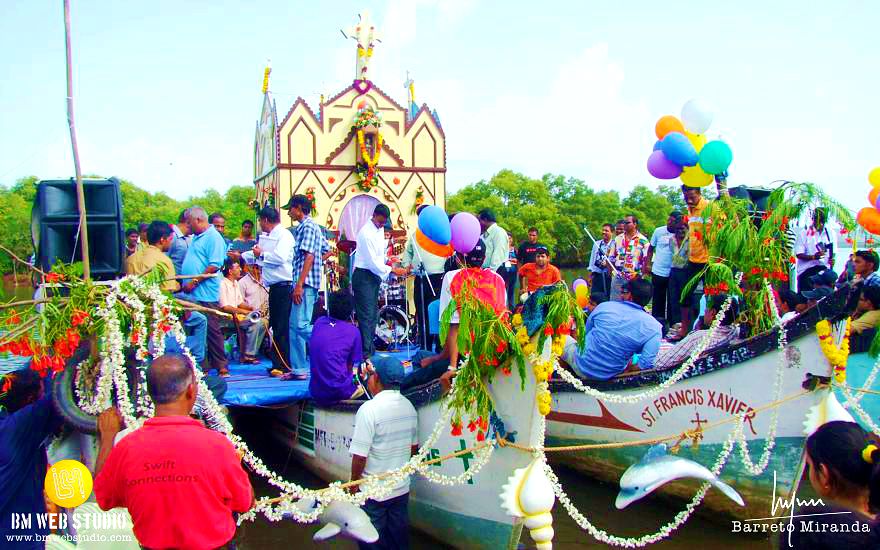
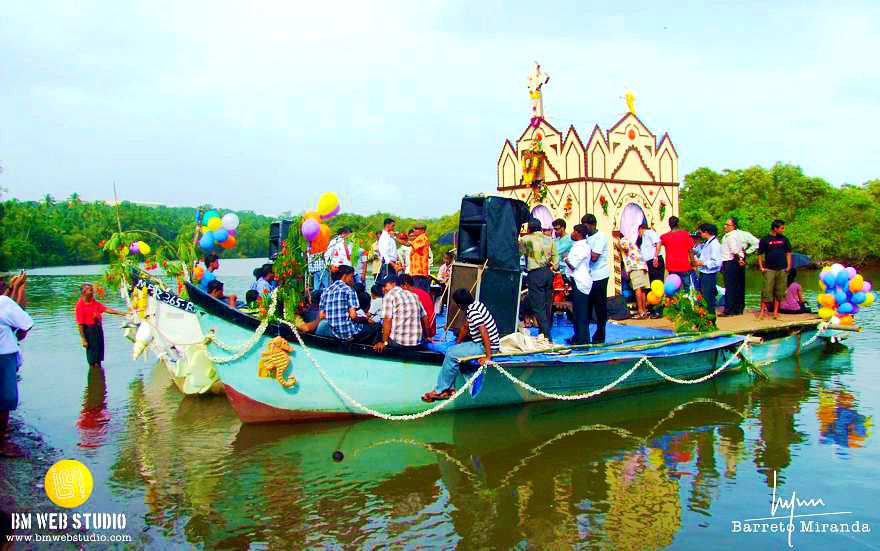
After prayers inside the chapel and the stirring strains of a brass band, the crowd shifts eagerly towards the tiny jetty. Moored against it floats the evening’s centrepiece: the Sangodd. Traditionally, the word refers to two wooden planks lashed together to form a raft. In Candolim, it has evolved into something far grander — a floating stage fashioned by securely binding three boats together, adorned with lights, bunting and a makeshift chapel façade. In its niche stands the image of Saint Peter, steady against the restless river.
The tradition of staging performances on water is not unique to Candolim. Similar floating tableaux are organised at Ribandar, where river processions have long formed part of local celebrations. During Ganesh Chaturthi, the village of Cumbarjua transforms its waterways into ceremonial corridors, as Ganesh idols are carried on decorated boats for immersion. Across faiths, Goa’s rivers become stages of devotion — fluid spaces where ritual and performance converge.
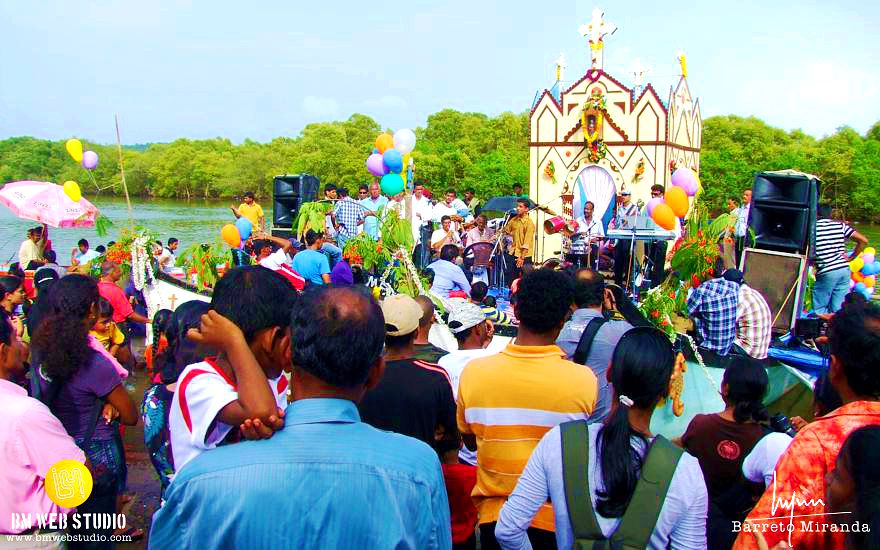
Once the music begins in Candolim, the Sangodd comes alive. Popular Konkani songs are belted out by local voices and visiting performers, punctuated by light-hearted comic skits that send ripples of laughter across the water. The brass band lends a festive pulse, echoing across the mangroves and riverbanks.
Then, almost imperceptibly, the floating platform pushes away from the jetty and begins its gentle glide down the Sinquerim. The crowd follows along the embankment, reforming at each stop as the Sangodd pauses at half a dozen points along the river. With every halt, the audience swells — neighbours, relatives and curious onlookers joining the procession. What began as a local celebration transforms into a moving riverine carnival.
The journey culminates at the chapel of St Peter farther downstream, where prayers once again anchor the evening. Slowly, the crowd disperses into the monsoon evening, tracing homeward paths through wet lanes and quiet fields. By morning, the river will resume its unhurried course, and the boats will return to work.
Yet something lingers. Perhaps it is the image of a community that refuses to let rain dampen its spirit, or the sight of a saint carried not on shoulders but upon water — fitting for a village whose faith, like its livelihood, is inseparable from the river.
Candolim’s Sangodd is not merely a spectacle. It is a reminder that in Goa, devotion does not stand apart from daily life. It floats upon it — steady, resilient and joyfully shared — returning each year with the tide.
Photos by Lynn Barreto Miranda / lynn.barretomiranda.com

Scan the code for directions.

website designed by lynn
goa / ph: 9822151419